


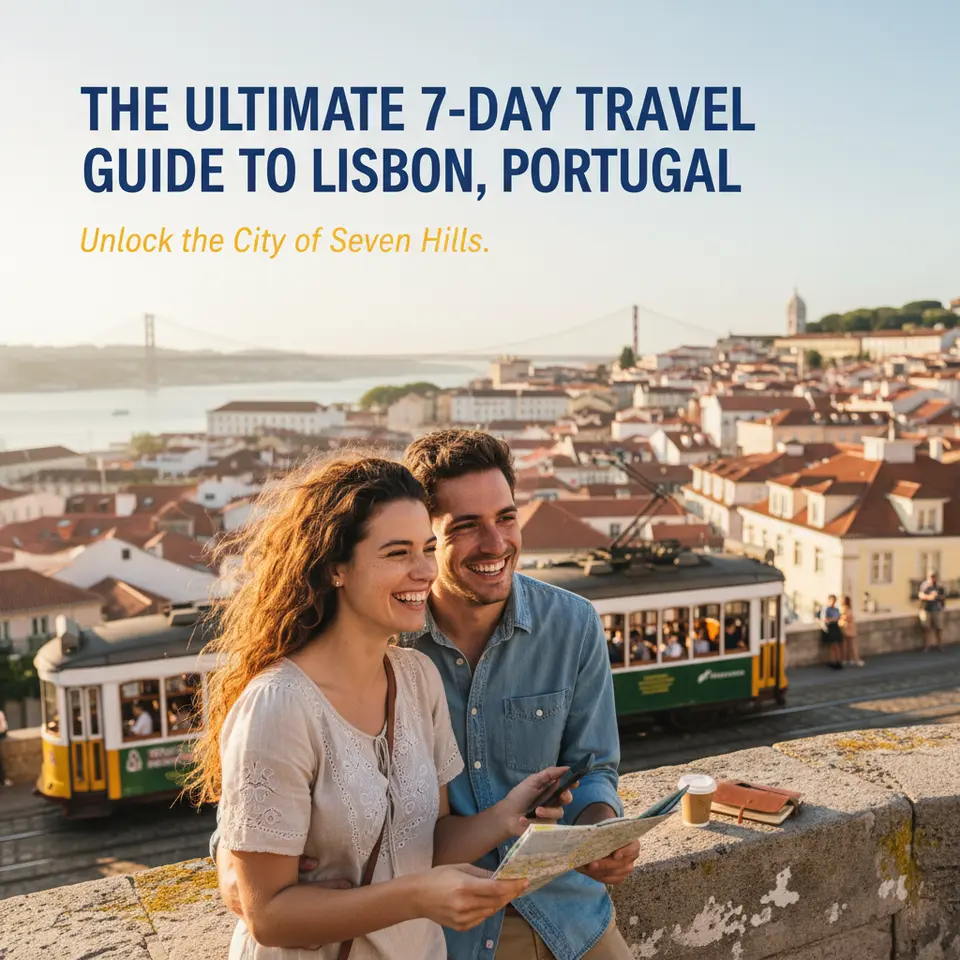
Lisbon beckons as a vibrant hub of history and modern flair, offering visitors a tapestry of sunlit plazas, colorful neighborhoods, and winding riverfront promenades. This Ultimate 7-Day Travel Guide to Lisbon is designed for those seeking a perfect balance between iconic landmarks and hidden gems in the Portuguese capital. In today’s digital landscape, planning a seamless trip requires trustworthy insights, and this guide serves as your comprehensive companion for exploring Lisbon’s seven hills and historic quarters.
This year (2026), you will uncover centuries-old castles, savor world-renowned pastries, and immerse yourself in a lively cultural scene. From the maze-like alleyways of Alfama to the elegant facades lining Avenida da Liberdade, each day brings new adventures and lasting memories. Whether you’re wandering through cloisters at Belém or enjoying a sunset picnic at a hilltop viewpoint, this itinerary adapts to a range of interests—from history buffs to food enthusiasts.
Throughout this guide, you’ll find practical tips on transportation, optimal timing, and must-see attractions that ensure you maximize every moment. By the end of the week, you’ll have experienced a harmonious blend of traditional Fado music, modern art installations, and the unparalleled warmth of local hospitality. Prepare to set off on an unforgettable journey with this Ultimate 7-Day Travel Guide to Lisbon, navigating the city’s charm and character as never before.
Exploring Lisbon’s Historic Districts: Alfama, Baixa, and Belém
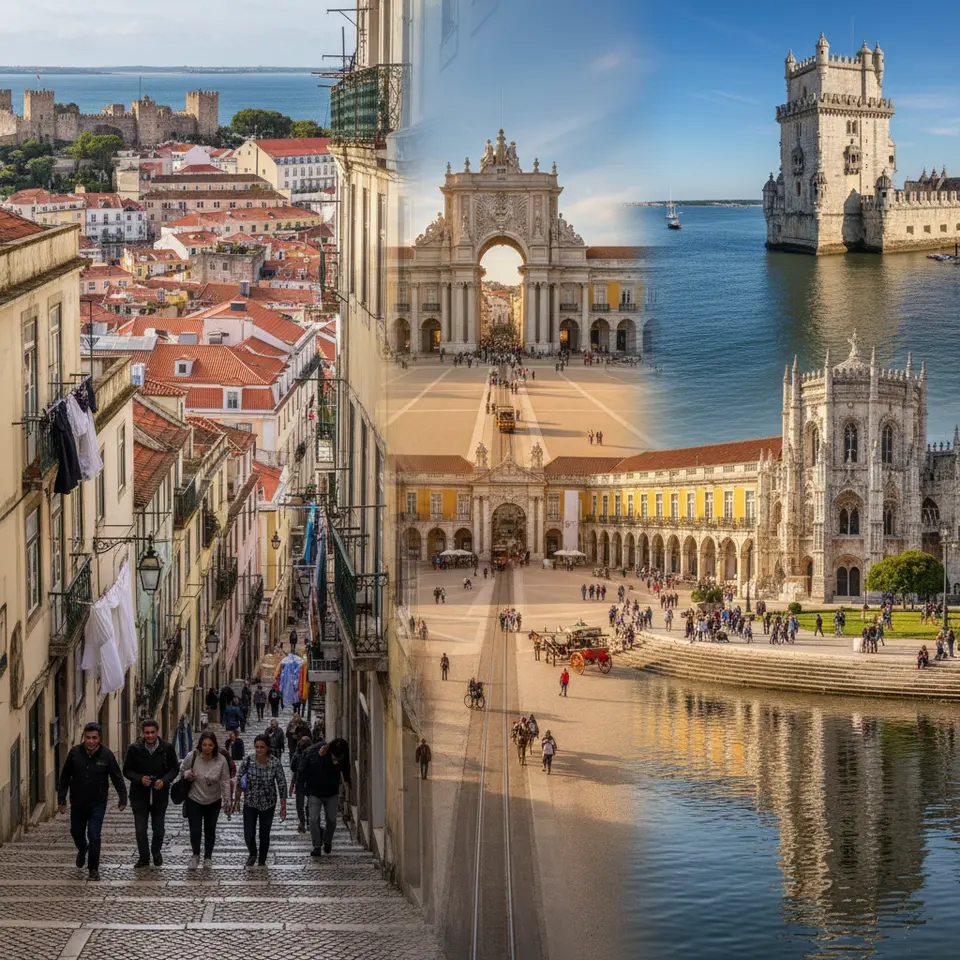
Your first days of the Ultimate 7-Day Travel Guide to Lisbon begin in the labyrinthine streets of Alfama. This hilltop quarter, characterized by its narrow cobblestone alleys and colorful laundry-draped balconies, offers a living museum of medieval Lisbon. As you wander, you’ll pass local tile workshops and quaint cafés serving strong espresso. Climb toward the imposing São Jorge Castle, where once a Moorish stronghold, now resounds with panoramic views of terracotta rooftops and the glittering Tagus River. From the battlements, the city unfolds in a quilt of pastel hues, inviting you to linger at each viewpoint.
Descending from Alfama, you arrive in Baixa, Lisbon’s grand downtown district, meticulously rebuilt after the 1755 earthquake. Here, wide boulevards lead to the majestic Praça do Comércio, an open square framed by arcaded galleries and golden façades. Snap photos beneath the 19th-century Rua Augusta Arch before exploring the pedestrian-oriented streets, where outdoor terraces and historic pavilions cater to both shoppers and sightseers. A ride on the classic tram 28 offers a nostalgic journey through downtown’s cultural landmarks, merging past and present in each rattle of the tram car.
Continuing west along the river, you reach Belém, a neighborhood synonymous with Portugal’s Age of Discovery. Graceful Manueline architecture defines the UNESCO World Heritage sites here. Begin your visit at the UNESCO World Heritage List Jerónimos Monastery, examining the elaborate stone carvings that celebrate maritime achievements. Nearby, the iconic Belém Tower rises from the riverside, its battlements and turrets evoking era-defining voyages into the unknown. Pause at the Monument to the Discoveries, a sculptural tribute to explorers that provides sweeping panoramas from its observation deck.
No tour of Belém is complete without sampling the city’s signature custard tart. The original Pastéis de Belém bakery, established centuries ago, still bakes its secret-recipe pastry fresh each morning. Arriving early helps you avoid the longest lines and guarantees a warm, flaky treat paired with a cafézinho. As afternoon light glistens on the Tagus, stroll through the coastal gardens or visit the contemporary MAAT museum, where art and architecture merge in a riverside gallery space.
As the day winds down, follow the tree-lined promenade toward the Monument of the Discoveries, where sunset paints the sky in hues of orange and pink. Local vendors set up stalls selling artisanal crafts and traditional souvenirs. Nearby, riverside cafés serve fresh seafood rice and chilled local wines, perfect for reflecting on a day steeped in heritage. Whether you choose to linger by the water’s edge or head back to the city center to enjoy Lisbon’s vibrant evening scene, this historic corridor stands as a testament to Portugal’s enduring global impact.
Discovering Enchanting Day Trips: Sintra and the Coastal Charms of Cascais
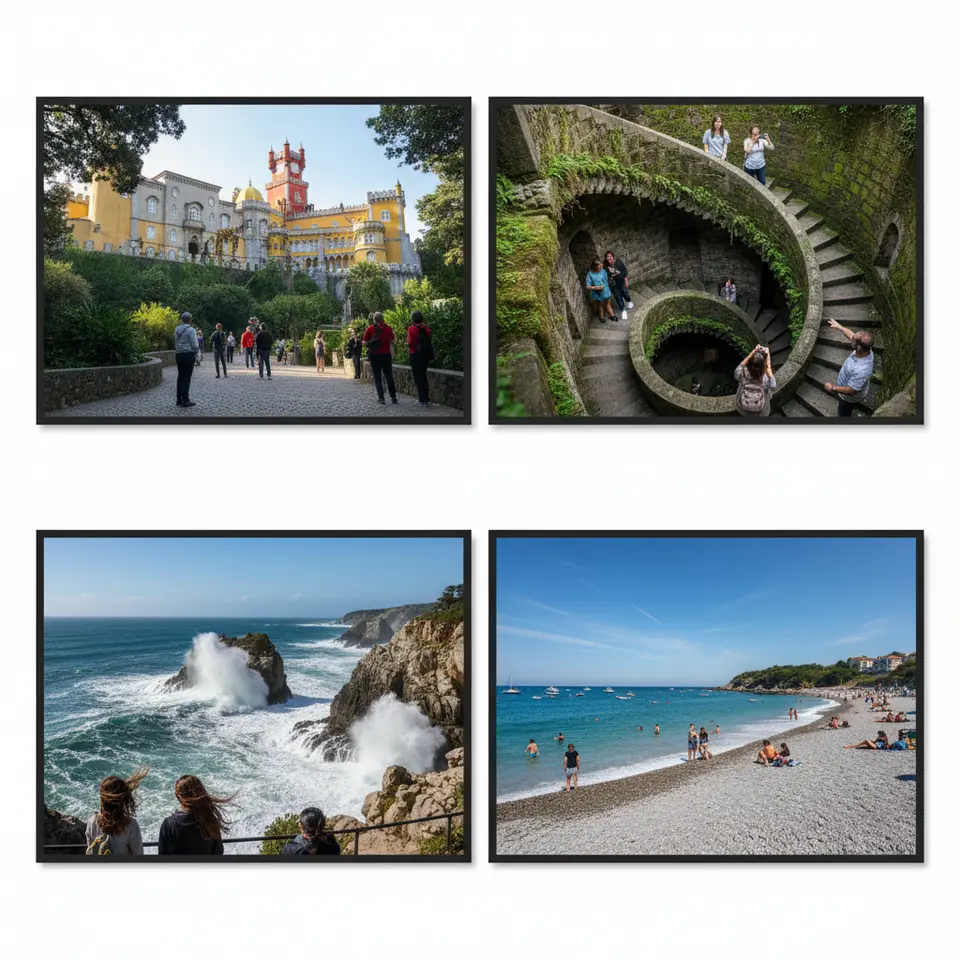
One of the highlights of the Ultimate 7-Day Travel Guide to Lisbon is venturing beyond the city to explore nearby treasures. An early suburban train from Lisbon’s historic Rossio Station weaves through coastal suburbs, offering glimpses of the Atlantic at every turn. In under an hour, you arrive in Sintra, a UNESCO World Heritage site nestled atop lush hills within the Sintra-Cascais Natural Park. Its fairytale ambiance comes alive at the vibrant Pena Palace, where mustard-yellow walls and red-tiled roofs contrast with verdant gardens. Explore its ornate halls and secret courtyards, then wander along tree-shaded paths to discover scenic lookout points that command sweeping panoramas of treetops and the distant sea.
The enigmatic Quinta da Regaleira awaits a short stroll from the town center, its labyrinthine gardens filled with statues, hidden tunnels, and the mystical Initiation Well, a spiraling staircase that seems to descend into the earth’s core. Archaeological enthusiasts will appreciate the Gothic, Renaissance, and Manueline influences that intertwine at every turn. For history buffs, the restored Moorish Castle perches higher on the ridge, its sturdy battlements reminding visitors of medieval defensive strategies. Hike along its ancient walls, tracing each watchtower, and absorb breathtaking vistas that span the forested slopes toward the ocean horizon.
Pause your explorations back in Sintra’s village center with a stop at the beloved Piriquita café. Savor a travesseiro pastry—cloud-like pillows of flaky dough filled with sweet almond cream—alongside a bold bica espresso. Later, board a train to Cascais, where coastal romance awaits. Formerly a royal fishing village, Cascais transforms into a lively seaside escape with pebble-strewn beaches, a scenic marina, and intimate seafood taverns. Stroll down to Praia da Rainha, sunbathe on its sheltered cove, or follow the cliffside path to Boca do Inferno, where crashing waves sculpt dramatic sea caves.
A brief detour in neighboring Estoril reveals elegant gardens surrounding the famed casino, an Art Deco masterpiece with glittering gaming halls and manicured lawns. For active travelers, rental bicycles line the station, inviting you to pedal the Atlantic promenade back toward Lisbon as daylight fades. Each mile along this route unveils new coastal panoramas, from hidden coves to vantage points perfect for capturing the sunset. Disembark at Cais do Sodré, stepping off the train with memories of lush palaces, rugged castles, and seaside serenity. These day trips infuse your Ultimate 7-Day Travel Guide to Lisbon with a dynamic blend of nature, heritage, and ocean breezes, ensuring every moment feels like an unforgettable chapter in your adventure.
Savoring Lisbon: Culinary Journeys through Pastries, Markets, and Taverns
Food lovers will find the Ultimate 7-Day Travel Guide to Lisbon incomplete without a dedicated culinary exploration. At the heart of Lisbon’s gastronomic identity is the pastel de nata, a delicate custard tart encased in golden puff pastry. While the legendary Pastéis de Belém bakery continues baking behind centuries-old doors, artisanal shops like Manteigaria in Chiado offer a modern twist, producing crisp-edged shells filled with velvety custard. Pair your tart with a cortado or a traditional bica (espresso) for an authentic morning ritual.
Noon beckons for a visit to Lisbon’s vibrant market scene. The historic Mercado da Ribeira, also known as Time Out Market, has evolved into a showcase for top chefs and local producers. Wander through stainless-steel stalls to sample a range of specialties—from arroz de marisco (seafood rice) brimming with shrimp and clams to bifanas, savory pork sandwiches steeped in garlic and white wine. Regional cheeses, olives, and charcuterie boards tempt those seeking lighter bites, while a glass of robust Douro wine complements each flavor-packed forkful. For official guidance on Portuguese food traditions and wine routes, consult VisitPortugal.
As afternoon light filters through the glass roof, mingle with locals at smaller, neighborhood markets. Time your visit to the Mercado de Campo de Ourique to encounter stallholders selling farm-fresh produce, homemade preserves, and fragrant pastries. Engage in friendly banter as you handpick ripe cheeses or sample artisanal charcuterie. For an outdoor treat, head to a nearby plaza where open-air cafés serve chilled Vinho Verde, a young wine whose slight effervescence refreshes under the summer sun.
Don’t miss street-food stalls that sprout up at weekends, where vendors sell sweet churros dusted with cinnamon sugar or creamy gelato in innovative flavors like fig and almond. These spontaneous culinary pop-ups capture Lisbon’s creative spirit and offer budget-friendly tasting opportunities.
Evenings in Lisbon resonate with Fado’s soulful melodies, often paired with hearty seafood dinners. Traditional restaurants in Alfama and Mouraria neighborhoods offer live performances, where seasoned singers recount tales of longing and saudade. Complement the experience with grilled sardines, freshly caught and prepared tableside, or a comforting bowl of caldeirada, a fish stew simmered with potatoes, onions, and tomatoes. The gentle flicker of candlelight and the clinking of wine glasses set the stage for an intimate cultural immersion.
Culinary workshops and tastings add an interactive dimension to your itinerary. Join a bakehouse masterclass to learn how to cook the perfect pastel de nata or enroll in a seafood cooking course to master the art of preparing Lisbon’s signature dishes. These hands-on experiences not only highlight the city’s food heritage but also leave you with new skills to share upon returning home. By the end of this section, you will appreciate why gastronomy ranks among Lisbon’s most compelling draws, ensuring your Ultimate 7-Day Travel Guide to Lisbon is as flavorful as it is memorable.
Immersing in Lisbon’s Creative Hubs: LX Factory, Chiado, and Bairro Alto
Beyond historic quarters and seaside vistas, Lisbon’s modern creativity pulses through converted warehouses, boutique galleries, and lively bars. This section of the Ultimate 7-Day Travel Guide to Lisbon highlights the city’s artistic pulse, ensuring you experience both day-time inspiration and nocturnal energy. Whether browsing independent design shops in Chiado or sipping cocktails atop a scenic rooftop, you’ll uncover a side of Lisbon that balances tradition with cutting-edge innovation.
Start in Chiado, an elegant neighborhood renowned for literary cafés and timeless art houses. Here, the iconic A Brasileira café first opened its doors in 1905, attracting poets and intellectuals with its strong coffee and Art Nouveau ambiance. Across the street, the Biblioteca Nacional dazzles architecture enthusiasts, while the Bertrand Bookstore—recognized by the Guinness World Records—invites bibliophiles to peruse rare editions. Nearby, the Carmo Convent ruins stand as an open-air Gothic cathedral, dramatically preserved since the 1755 earthquake. A quick ride on the neo-Gothic Santa Justa Lift delivers panoramic views of Baixa’s rooftop labyrinth and the river beyond.
Cross the Tagus on a short tram or taxi ride to reach LX Factory, a repurposed industrial complex under the imposing 25 de Abril Bridge. Colorful street art murals adorn the walls, weaving narratives that celebrate local culture and contemporary issues. Independent boutiques showcase handcrafted jewelry, sustainable fashion, and artisanal ceramics. Pop into Ler Devagar, a beloved bookstore known for its towering shelves and eclectic collection of graphic novels. Cafés and microbreweries serve brunch dishes and experimental beers, while pop-up markets frequently feature emerging artists and designers.
As twilight unfolds, make your way to Bairro Alto, where days of exploration give way to nocturnal revelry. The labyrinthine streets transform into a tapestry of neon signs and open-fronted bars, each offering a unique soundtrack—from live jazz sessions to electronic DJ sets. Sample petiscos, the Portuguese take on tapas, with inventive toppings like goat cheese and fig jam. Elevate your evening at a rooftop terrace such as Park or Topo, where panoramic views of the city skyline and the Tagus River create an exceptional backdrop for signature cocktails. Whether you seek bohemian vibes or upscale lounge experiences, Lisbon’s creative districts offer endless possibilities for engagement and entertainment.
This vibrant fusion of art, architecture, and nightlife ensures that the Ultimate 7-Day Travel Guide to Lisbon remains balanced, guiding travelers through experiences that redefine urban discovery. In embracing both heritage and innovation, Lisbon reveals itself as a city where every corner, from museum halls to midnight bars, invites you to connect, create, and celebrate.
Practical Insights: Navigating Lisbon’s Terrain, Transport, and Timing
Mastering logistics and timing elevates this Ultimate 7-Day Travel Guide to Lisbon from a simple itinerary to a seamless experience. Lisbon’s temperate Mediterranean climate makes exploration enjoyable year-round, but the ideal months for balanced crowds and mild temperatures remain spring and autumn. Currently, you’ll find vibrant festivals and open-air concerts in the city’s squares during April, May, September, and October. These months typically feature daytime highs in the low 60s to mid 70s Fahrenheit, perfect for hilltop strolls without summer’s intense heat.
To traverse Lisbon’s famous seven hills, comfortable footwear is non-negotiable. Cobbled streets and steep inclines demand sturdy shoes, while a lightweight daypack can hold water, sunscreen, and an extra layer for cooler mornings and evenings. Invest in a reloadable Viva Viagem card to access unlimited rides on trams, buses, the metro, and even the iconic historic tram 28. Opt for a 24- or 48-hour pass to streamline your budget and avoid queuing at ticket machines. Ferries crossing the Tagus River—a scenic complement to land routes—also accept the same contactless card.
For high-demand attractions like São Jorge Castle and the Jerónimos Monastery, advance online reservations are strongly recommended. Booking tickets in advance not only secures your preferred time slot but often includes skip-the-line privileges. During summer, some cultural venues and Fado houses fill up quickly, so schedule evening performances early in your trip to guarantee the best seating. Language barriers are minimal, as many Portuguese professionals speak English, but learning a few basic greetings—bom dia (good morning), obrigado(a) (thank you)—enhances local interactions.
Currency is the euro, and while most establishments accept credit cards, carrying small denominations in cash helps at family-run cafés and street stalls. ATMs are widely available but may levy a small fee; check with your bank before departure. Free Wi-Fi hotspots appear in major squares and tourist areas, while mobile data SIM cards can be purchased at Lisbon Airport or downtown kiosks for uninterrupted connectivity.
Keep an eye on local events calendars and weather forecasts as part of your daily planning. Rain showers occur infrequently this year (2026), but a compact umbrella or water-resistant jacket can prove invaluable. Safety in Lisbon is excellent, with low crime rates and a welcoming atmosphere. Watch out for pickpockets in crowded trams and tourist hotspots, keeping valuables secure. Health facilities rank highly; pharmacies are abundant, often marked by green crosses, and many operate extended hours. Tap water is safe to drink, so carry a reusable bottle to stay hydrated while reducing plastic waste. By combining these practical considerations with the rich experiences outlined earlier, you ensure that your Ultimate 7-Day Travel Guide to Lisbon is not only inspiring but also impeccably planned.
Frequently Asked Questions
What is the best time of year to visit Lisbon?
The ideal months are spring and autumn (April, May, September, and October), when the weather is mild and crowds are smaller.
How can I get around the city efficiently?
Use a reloadable Viva Viagem card for unlimited access to trams, buses, the metro, and ferries. Consider 24- or 48-hour passes to streamline your budget.
Are English and other languages widely spoken in Lisbon?
Yes, many locals speak English, especially in tourist areas. Learning basic Portuguese greetings like “bom dia” and “obrigado(a)” enhances interactions.
Conclusion
Your journey through the Ultimate 7-Day Travel Guide to Lisbon has traversed historic castles, sun-drenched plazas, and shimmering coastlines. Over the course of a week, you’ve experienced the medieval charm of Alfama, the regal halls of Pena Palace, and the hip ambiance of LX Factory, all anchored by the city’s renowned hospitality and culinary prowess. This year (2026), Lisbon continues to shine as a destination where tradition meets innovation, inviting you to explore its winding streets and panoramic vistas with curiosity and delight.
From indulging in warm pastel de nata on a quiet morning to raising a glass of Vinho Verde beneath a starry rooftop sky, each moment contributes to a tapestry of memories that linger long after you depart. The practical tips on transportation, timing, and cultural etiquette provide a solid foundation for a stress-free adventure, while local insights reveal hidden gems that guidebook maps may overlook. Whether you’re captivated by Fado’s soulful melodies or the Atlantic’s crashing waves, Lisbon offers an experience that resonates with travelers of every interest.
As you pack your bags and prepare to return home, remember that this guide is merely the beginning. Lisbon’s charm unfolds in layers—year-round festivals, emerging art scenes, and seasonal culinary specialties await your next visit. So carry these recollections with you, share them with fellow explorers, and start dreaming of the day you’ll once again traverse the seven hills of this remarkable city. Safe travels and enjoy every cobblestone, pastel-colored façade, and heartfelt saudade that Lisbon generously offers.
