


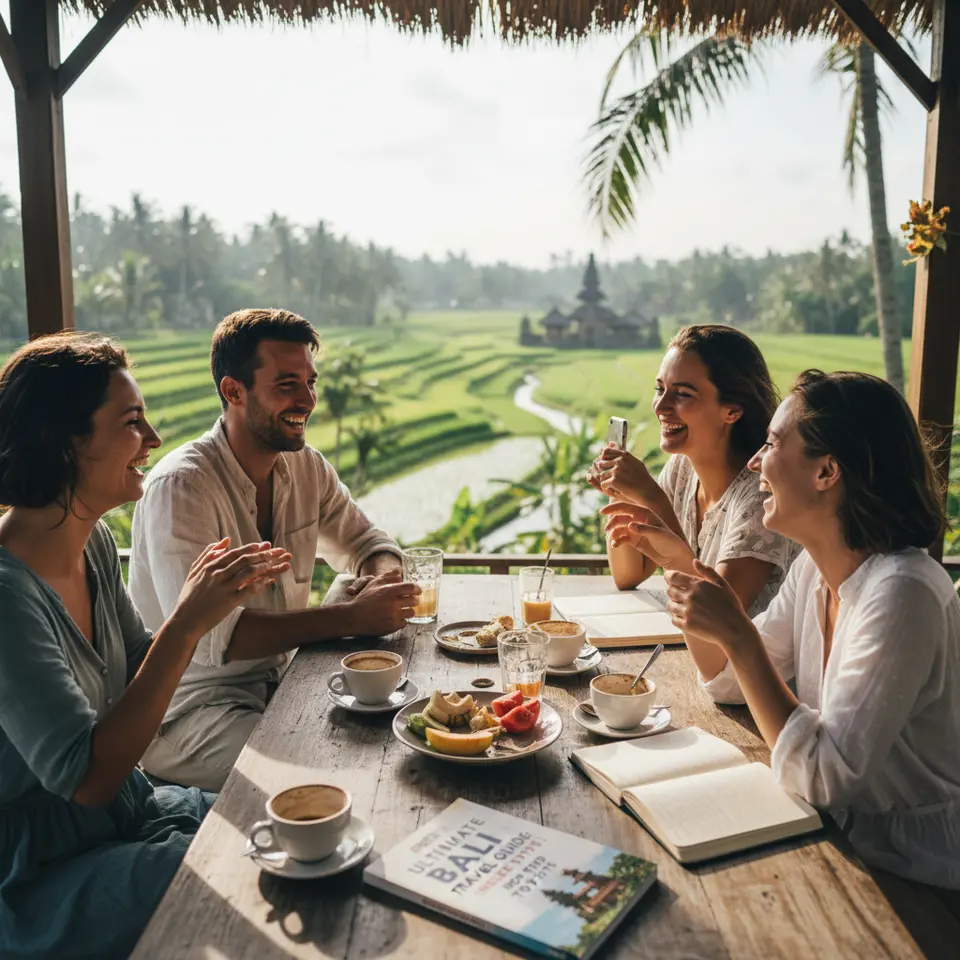
Welcome to your ultimate Bali travel guide, where you’ll uncover insider tips, essential planning advice, and can’t-miss highlights for an unforgettable island escape. Bali, known as the Island of the Gods, captivates visitors with its emerald rice terraces, vibrant rituals, and sun-kissed shores. In today’s digital landscape, travelers seek comprehensive resources that combine practical guidance with cultural insight, and this Bali travel guide delivers just that.
Whether you’re a first-time visitor or a seasoned explorer, this Bali travel guide will empower you to make informed decisions on visas, budgeting, and itineraries. You’ll learn how to navigate local customs, secure the best accommodations, and optimize your daily schedule to experience Bali’s diverse offerings—from ancient temples and lush jungles to world-class surf breaks and wellness retreats. Carefully curated sections ensure you have all the information you need to plan a seamless journey this year (2026).
By weaving in tried-and-tested suggestions alongside authoritative references—such as UNESCO insights and data from the official Indonesia portal—this Bali travel guide stands out as a reliable companion. Prepare to dive deep into every facet of island life, discover hidden gems, and embrace the Balinese philosophy of harmony. Let’s embark on this adventure today and turn your dreams into reality with our comprehensive Bali travel guide.
Planning Your Trip
Starting your Bali travel guide journey begins with solid planning. First, familiarize yourself with visa regulations: many nationalities benefit from a 30-day visa-on-arrival, extendable once for a fee, but always double-check current rules at your local embassy. Next, determine your budget. Bali accommodates all spending levels—backpackers can find homestays under US$30 per night, while luxury seekers might reserve a private villa with a personal chef for US$200 and up. Allocating funds for activities, dining, and local transport will prevent surprises and help you enjoy every moment.
Timing and location choices play pivotal roles. Decide whether you’ll anchor yourself in one hub or split time across multiple areas: Ubud appeals to culture enthusiasts with its dance performances, lush rice paddies, and yoga studios, while Seminyak blends beach clubs with upscale dining. Canggu, currently a hotspot for digital nomads and surfers, offers laid-back cafés and scenic sunsets. For a serene retreat, Mount Batukaru’s foothills provide cooler temperatures and rainforest vibes.
Accommodation options are plentiful. Boutique hotels in Sanur fuse local design elements with personalized service, whereas homestays in rural villages offer cultural immersion and authentic home-cooked meals. When booking, leverage platforms that include guest reviews and clear cancellation policies. During peak months in July, August, and December, rates surge—booking at least three months in advance ensures better deals and availability.
Your Bali travel guide should also cover communication and connectivity. Purchasing a local SIM card at Ngurah Rai International Airport gives you reliable data for ride-hailing apps like Go-Jek and Grab. Carry a power bank and universal adapter to keep devices charged while capturing priceless memories. With these planning essentials, you’ll set the stage for a smooth, worry-free voyage across Bali’s many wonders.
Finding the Best Time to Visit
Choosing when to visit is crucial for maximizing your Bali travel guide experience. Bali’s climate features two main seasons: the dry season from April to October and the wet season from November to March. During the dry months, sunny skies and low humidity create ideal conditions for hiking Mount Batur at sunrise, lounging on beaches, and attending cultural festivals. Conversely, the wet season brings short, heavy downpours followed by clear skies, resulting in greener landscapes and fewer crowds.
If you prefer a bustling atmosphere with vibrant nightlife and full beach clubs, plan your trip between June and September. However, if tranquility and value are top priorities, consider the shoulder months of April, May, September, or October. These periods offer pleasant weather and lower accommodation rates. Note that December and January coincide with local end-of-year holidays, so while you’ll encounter festive cultural ceremonies, expect higher prices.
Beyond weather, Bali’s calendar features numerous cultural events. The Bali Arts Festival, typically held in mid-year, showcases traditional dances, music, and craftsmanship. For a spiritual spectacle, attend Galungan and Kuningan festivities, where temples are adorned with ornate offerings and neighborhoods come alive with processions. Consult the official Indonesia portal for exact festival dates and public holiday advisories.
Weather patterns can vary across regions. Coastal areas like Seminyak and Canggu remain warm year-round, while higher elevations in Munduk and Bedugul might see cooler temperatures and misty mornings. Bring layered clothing if you plan to explore mountainous zones early in the day. Additionally, always check surf forecasts if you’re hitting the waves—Echo Beach and Uluwatu rely on specific swell conditions for optimal surfing.
With careful timing and research, this Bali travel guide helps you balance climate considerations, cultural events, and budget-friendly options. Whether chasing dry-season sunshine or embracing the lush ambiance of the rainy months, you’ll craft a travel itinerary that aligns with your ideal island experience.
Discovering Iconic Attractions and Activities
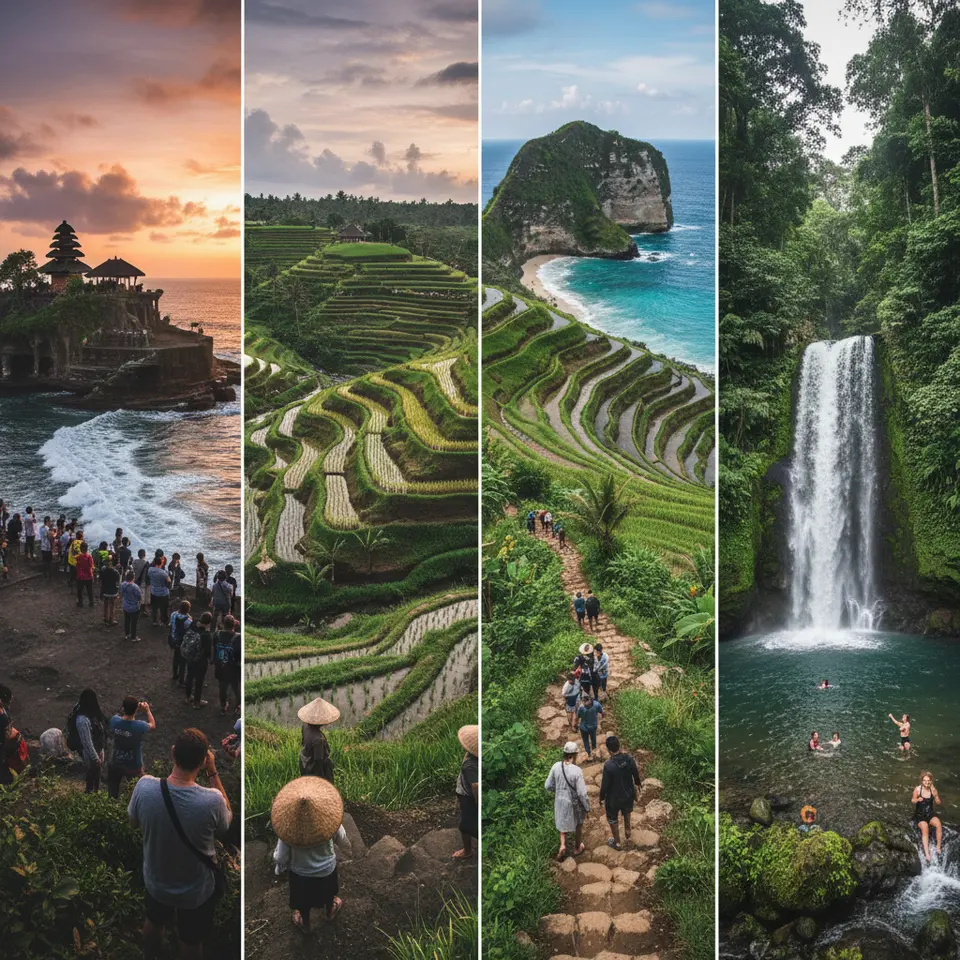
Bali’s diverse attractions cater to adventure seekers, culture aficionados, and relaxation enthusiasts alike. This section of your Bali travel guide highlights must-see destinations and immersive activities to include on your itinerary. Start with the iconic temples that dot the island: Tanah Lot, perched on a rocky outcrop, dazzles at sunset as waves crash dramatically below. Meanwhile, Uluwatu’s cliffside temple offers nightly Kecak fire dance performances that blend hypnotic chanting with an ocean backdrop.
For nature lovers, the rice terraces of Tegalalang and Jatiluwih present sculpted landscapes of emerald-green paddies. Sunrise treks up Mount Batur reward hikers with breathtaking aerial views and the chance to relax in natural hot springs. If you crave pristine beaches, head to Nusa Penida’s Kelingking Beach, where a T-Rex–shaped cliff formation overlooks translucent waters. Alternatively, the white sands of Nusa Dua cater to families with gentle waves and calm ambiance.
Adventure options extend to water sports: Canggu and Seminyak beaches deliver consistent swells for surfers of all skill levels, while scuba diving and snorkeling excursions reveal vibrant coral reefs and colorful marine life. For a less adrenaline-fueled escape, canoe through the Ayung River’s serene rapids or cycle past remote villages and verdant jungles in the foothills of Bedugul.
Cultural experiences enrich your Bali travel guide itinerary. Attend a traditional Balinese cooking class to learn how to craft authentic sambal and satay using local ingredients. Join a silver-smithing workshop in Celuk to create custom jewelry, or participate in a purification ceremony at Tirta Empul temple, where sacred spring waters are believed to cleanse body and spirit.
Don’t overlook Bali’s cascading waterfalls—Tegenungan near Ubud and Gitgit in the north provide refreshing daylight escapes. For a more remote adventure, venture to Sekumpul Waterfall, trekking through dense forest paths to a series of powerful falls. End your days with a beachfront seafood barbecue in Jimbaran Bay, savoring freshly grilled catch as the sun dips below the horizon.
Immersing in Local Culture and Traditions
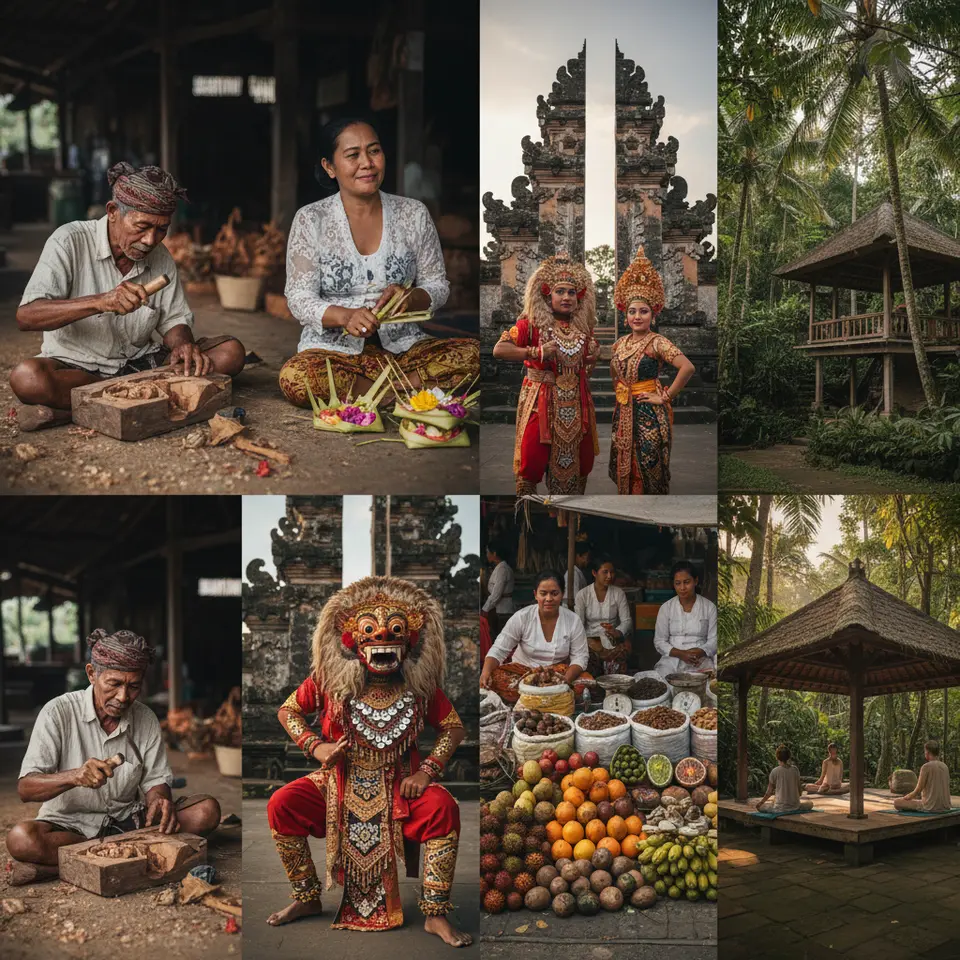
To fully appreciate Bali’s soul, your Bali travel guide must explore the island’s rich cultural tapestry. Bali’s Hindu heritage is ever-present, from ornate temple guardians to daily offerings called canang sari. You’ll notice intricately woven palm-leaf baskets filled with flowers, rice, and incense placed at shops, hotels, and street corners as tokens of gratitude and harmony.
Participate respectfully in temple ceremonies by wearing appropriate attire—cover shoulders and knees with a sarong and sash, often provided at major sites. Observing a full moon or harvest ceremony in a village temple provides insight into community life and ancient rituals. The mesmerizing Barong and Legong dances depict mythological stories through elaborate costumes and precise gestures; performances are regularly scheduled in cultural centers across Ubud and Sanur.
Artisanal crafts flourish in traditional villages. In Mas, woodcarvers sculpt detailed masks and furniture, while nearby Celuk artisans manipulate silver into delicate jewelry pieces. Visiting these workshops offers the opportunity to purchase authentic souvenirs directly from the craftsmen, supporting local livelihoods. Glimpse rural traditions at a subak irrigation system near Jatiluwih, recognized by UNESCO for its communal water-management techniques that date back centuries.
Culinary traditions also tell a story. Attend a market tour in Gianyar to sample tropical fruits such as salak and snake fruit, and learn the importance of spices in Balinese cuisine. Enroll in a traditional cooking class to explore how turmeric, galangal, and chili peppers converge in dishes like lawar and bebakaran. Food is central to social gatherings and temple feasts, where family members prepare elaborate spreads to honor deities and ancestors.
Wellness is another cultural cornerstone. Bali’s reputation as a yoga mecca stems from its serene jungle studios and holistic retreats that blend meditation, sound healing, and Balinese massage. Even if you’re not a yoga practitioner, a spa treatment using locally sourced oils and flower petals can be a transformative experience. Immersing yourself in these customs enriches your Bali travel guide by connecting modern exploration with time-honored traditions.
Practical Itineraries and Transportation Tips
Crafting a feasible schedule and understanding local transport are vital components of any comprehensive Bali travel guide. For a standard seven-day trip, consider this flexible itinerary:
- Day 1: Arrive at Ngurah Rai International Airport, transfer to Ubud, stroll along the Campuhan Ridge Walk at sunset.
- Day 2: Sunrise trek to Mount Batur, soak in nearby hot springs, explore Tegalalang rice terraces, dine in a jungle-side café.
- Day 3: Visit Ubud Palace and Ubud Market, attend a dance performance, unwind with a Balinese spa treatment.
- Day 4: Head west to Tanah Lot at sunrise, transfer to Seminyak, relax at a beach club, sample sunset cocktails.
- Day 5: Day trip to Nusa Penida: Kelingking Beach viewpoint, Angel’s Billabong, Broken Beach, then return by ferry.
- Day 6: Move north to Munduk for waterfall trekking and coffee plantation tours, stay in a mountain lodge.
- Day 7: Morning yoga in Canggu, surf lesson or café hop, final shopping in Seminyak, depart in the evening.
Navigating Bali’s roads can be an adventure. Scooter rentals are popular and cost around US$5–7 per day, but ensure you wear a helmet and have an international driving permit. If two wheels aren’t your style, hire a private driver for approximately US$45–60 per day—drivers often double as knowledgeable guides who can customize routes and suggest off-the-beaten-path stops.
Ride-hailing apps like Go-Jek and Grab currently dominate local transport, offering affordable car and scooter options. Download the apps and top up your e-wallet for cashless convenience. For inter-island excursions, book fast boats or public ferries in advance. Always verify departure times and embarkation points to avoid last-minute changes.
Optimizing your travel flow reduces fatigue and maximizes enjoyment. Group nearby attractions by location—combine Tanah Lot with Taman Ayun Temple, or pair Tegenungan Waterfall with Goa Gajah in the same Ubud region. Allocate downtime for unplanned discoveries, like stumbling upon a hidden café or a roadside art gallery. By weaving efficient planning into your Bali travel guide, you’ll experience more without feeling rushed.
FAQ
Do I need a visa to visit Bali?
Most travelers can obtain a 30-day visa on arrival, extendable once for up to 60 days total. Requirements vary by nationality—check with your local Indonesian embassy before departure.
When is the best time to visit Bali?
The dry season (April to October) offers sunny weather and minimal rain, ideal for outdoor activities. Consider shoulder months (April, May, September, October) for fewer crowds and lower rates.
Is Bali safe for solo travelers?
Bali is generally safe, with friendly locals and a well-established tourism infrastructure. Practice standard precautions: avoid isolated areas at night, secure belongings, and always wear a helmet when riding scooters.
What should I pack for Bali?
Bring lightweight, breathable clothing for warm coastal regions, plus layers for cooler mountain areas. Include swimwear, a reusable water bottle, sun protection, and a universal travel adapter.
How do I stay connected in Bali?
Purchase a local SIM card at the airport or in towns—providers like Telkomsel and XL offer reliable data packages. Carry a power bank to keep devices charged during long excursions.
Conclusion
This Bali travel guide has provided the framework for an enriching island adventure, blending practical advice, cultural immersion, and curated itineraries. From planning visas and selecting optimal travel dates this year (2026) to exploring iconic temples, rice terraces, and culinary workshops, you’re now equipped to navigate Bali’s diverse landscapes and traditions with confidence. Incorporate insights from UNESCO and government data to stay informed about cultural events, permits, and seasonal nuances.
Remember to balance structured schedules with spontaneous exploration—whether that’s a sunset surf session in Canggu, a purification ceremony at Tirta Empul, or sampling street-side nasi campur in Denpasar. Respect local customs, support community-led initiatives, and embrace the Balinese concept of harmony between people, nature, and the divine. With this guide as your companion, you’ll craft memories that last a lifetime and return home inspired by the warmth and beauty of Bali. Selamat jalan—safe travels and happy adventures!
