


Introduction
In today’s digital landscape, few natural spectacles rival the gentle beauty of cherry blossoms drifting through ancient streets and reflecting on quiet waters. This Japan cherry blossom travel guide invites enthusiasts and first-time visitors alike to embark on a seven-day journey through spring’s most enchanting scenery. Each year, Japan’s sakura season captivates travelers by blending centuries-old cultural rituals, seasonal festivals and culinary delights beneath canopies of pink and white petals.
Whether you’re chasing illuminated blooms in bustling urban parks or seeking serene views along mountain rivers, this comprehensive Japan cherry blossom travel guide will equip you with up-to-date information on timing, transportation, lodging and etiquette. Currently, the best viewing windows shift from south to north, but flexibility and reliable forecasts—such as those provided by the Japan Meteorological Agency—ensure you hit peak bloom. This year (2026), blossoms are expected to unfurl in Kyushu by mid-March, reach Tokyo and Kyoto around late March, and sweep through northern islands in early May.
As you plan your trip, you’ll discover iconic hanami sites, off-the-beaten-path treasures and practical tips on booking flights, securing a Japan Rail Pass and navigating local customs. By blending detailed itineraries with expert advice, this guide empowers you to fully immerse yourself in sakura celebrations—from morning strolls beneath fragrant boughs to illuminated night displays accompanied by traditional music and street bites. Prepare to embrace spring’s fleeting wonder, capture unforgettable photos and create lifelong memories beneath Japan’s pink canopy.
When to Visit Japan for Cherry Blossoms
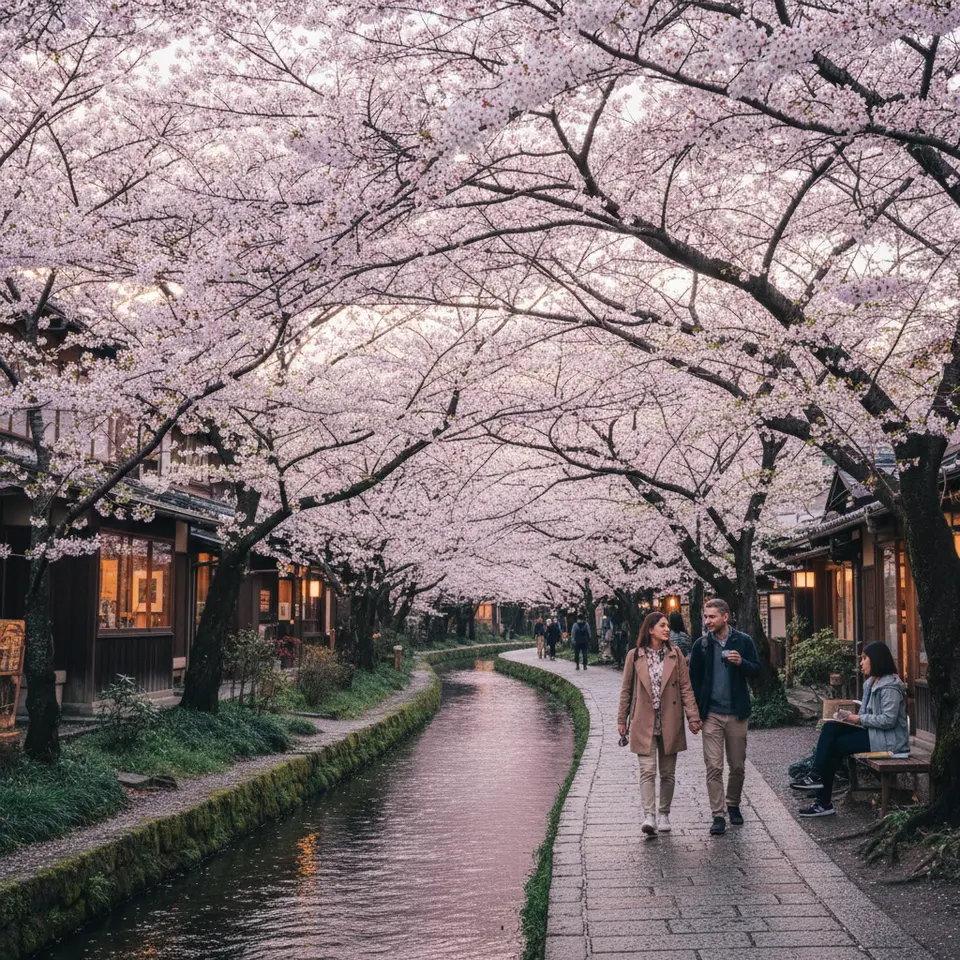
Timing is critical when planning a sakura pilgrimage. In Japan, cherry trees bloom progressively from south to north, influenced by temperature fluctuations and location. Currently, forecasts indicate:
- Okinawa and Kyushu: Mid-March
- Tokyo, Kyoto and Osaka: Late March to early April
- Hiroshima and Shikoku: Early April
- Tohoku (Aomori, Sendai): Mid-April to early May
- Hokkaido: Early to mid-May
Since weather patterns can advance or delay peak bloom by a week, maintain a degree of flexibility in your travel dates. Check the weekly sakura updates from the Japan Meteorological Agency (JMA) or local tourism boards such as the Japan National Tourism Organization. These resources provide real-time forecasts and historical data to help you adjust your schedule promptly.
Choosing arrival cities in phases can maximize bloom coverage. For example, you might begin in Kyushu in mid-March then move eastward to Kansai, proceed to Tokyo by early April and finish in northern regions. This south-to-north progression efficiently tracks peak petal displays. Keep in mind that weekends during sakura season are exceptionally busy, so midweek visits to popular parks often yield more tranquil experiences.
When selecting exact travel dates, aim to arrive one or two days before the expected full bloom (mankai) to allow for possible shifts. Additionally, overnight stays near famed viewing spots reduce commute times and help you seize early-morning or late-evening hanami moments when crowds are thinner. With strategic timing and vigilant monitoring of forecasts, you’ll stand beneath Japan’s ethereal spring canopy at its most breathtaking.
How to Plan Your Japan Cherry Blossom Trip
Organizing a seamless cherry blossom adventure requires early reservations and smart budgeting. To secure the best deals on flights, accommodations and transportation, start planning at least three to four months before your ideal arrival dates. Follow these steps in your Japan cherry blossom travel guide:
1. Booking Flights and Accommodations
Major airlines adjust seasonal rates, so monitor fares daily and consider flexible airports (e.g., landing at Kansai International instead of Osaka Itami). For lodging, prioritize hotels or ryokan within walking distance of train stations and hanami sites. Popular areas such as Kyoto’s Gion district, Tokyo’s Ueno and Osaka’s Namba district sell out rapidly during sakura season, so reserve rooms when spring schedules open.
2. Securing a Rail Pass
The Japan Rail Pass is the most cost-effective way to travel on shinkansen and select local lines if your itinerary covers multiple regions. Purchase a 7-day pass before departure to streamline your journey across long distances, from Tokyo to Aomori or Osaka to Kagoshima. If you plan to remain within one area—such as Kansai or Tohoku—regional rail passes often offer better value and can be purchased in-country or through authorized agents.
3. Packing Essentials
Spring temperatures vary widely: mornings may linger near 8°C while afternoons climb to 18°C. Pack lightweight layers—including long-sleeve shirts, a medium-weight jacket and a compact umbrella—as spring showers are common. Comfortable walking shoes are essential for exploring parks, temple grounds and riverside trails. Don’t forget a portable battery pack and extra memory cards for capturing sakura vistas, plus reusable water bottles to stay hydrated during all-day outings.
4. Budgeting and Connectivity
Allocate funds for entrance fees (some gardens charge), street snacks like sakura-flavored mochi and evening illumination events. While credit cards are increasingly accepted, many food stalls and local shops remain cash-only, so carry sufficient yen. To stay informed on bloom updates, reserve a portable Wi-Fi router or purchase a local SIM card upon arrival at the airport.
By addressing flights, lodging, rail passes and packing well in advance, your Japan cherry blossom travel guide ensures fewer logistical hiccups and more opportunities to savor each delicate bloom. This careful preparation allows you to focus on creating lasting memories beneath some of the world’s most celebrated springtime scenery.
Top 5 Cherry Blossom Viewing Destinations
Japan’s landscape offers a wealth of hanami hotspots, each with unique atmospheres and historical backdrops. Incorporate these five sites into your Japan cherry blossom travel guide for an unforgettable sakura tour.
Ueno Park, Tokyo
Located in central Tokyo, Ueno Park boasts over 1,000 cherry trees lining wide promenades and around Shinobazu Pond. During daytime, families and friends gather for festive hanami parties, accompanied by street food vendors selling yakitori, dango and sakura-themed sweets. Come evening, the park transforms under soft lantern light, making it one of the city’s most magical sakura spots.
Philosopher’s Path, Kyoto
This serene stone walkway meanders along a narrow canal flanked by hundreds of cherry trees. Named for the 19th-century philosopher Nishida Kitaro who meditated there, the trail connects Ginkaku-ji (Silver Pavilion) to Nanzen-ji Temple. Quaint tea houses and art galleries dot the way, offering restful interludes beneath petal-laden branches.
Hirosaki Castle, Aomori
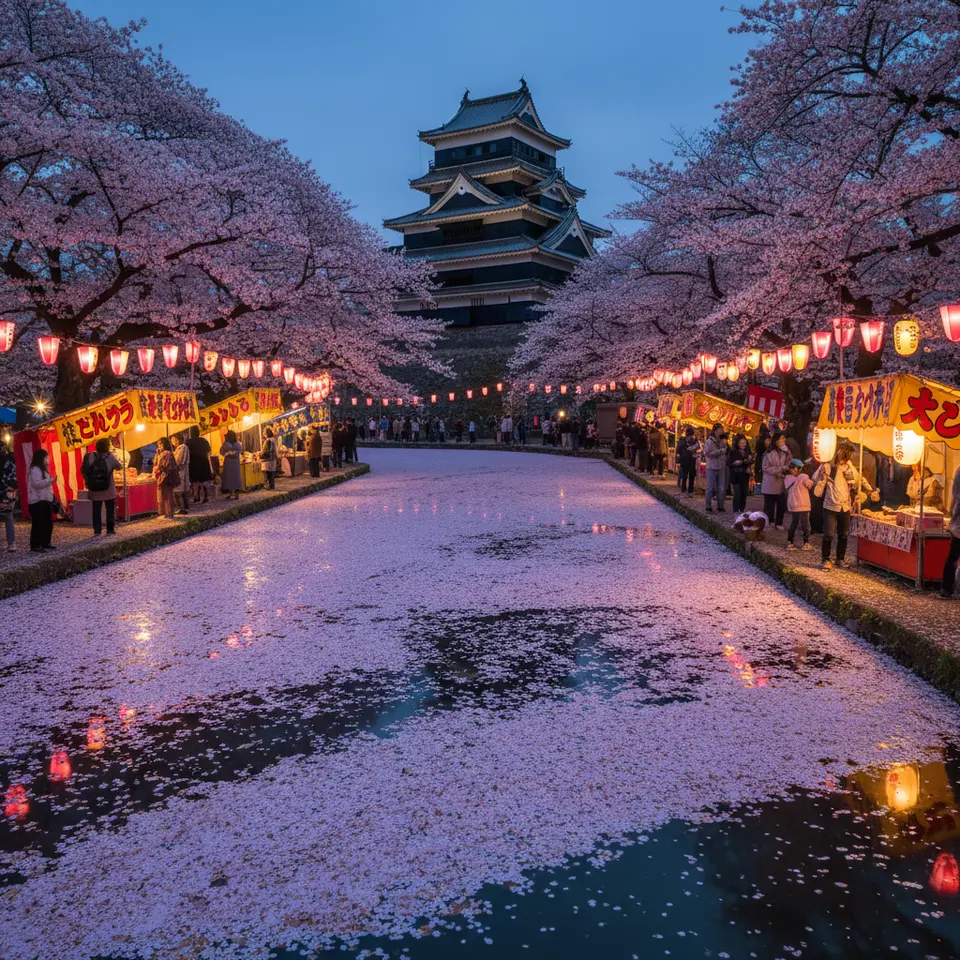
In northern Tohoku, Hirosaki Castle stands within a moat encircled by roughly 2,600 cherry trees. At peak bloom, drifting petals carpet the water’s surface in a surreal pink float. Every year, Hirosaki Cherry Blossom Festival includes open-air food stalls, traditional performances and illuminated night views against the castle’s dark silhouette.
Osaka Castle Park, Osaka
Osaka Castle provides an iconic backdrop for sakura viewing. Over 3,000 cherry trees encircle the castle grounds and moat, creating a vibrant floral frame around the historic structure. Visitors can rent paddle boats for a unique perspective on the blossoms or enjoy special evening events when the castle and trees glow under hundreds of lanterns.
Meguro River, Tokyo
For photography enthusiasts, the Meguro River offers one of Tokyo’s most picturesque hanami experiences. Approximately 800 trees line both banks, forming a rose-hued tunnel. Cafés and restaurants along the water’s edge serve sakura-infused treats, while romantically lit floats drift downstream at night. Early mornings bring peaceful reflections, ideal for crisp images of pink petals on glassy water.
Incorporate these diverse spots into your Japan cherry blossom travel guide to experience both celebrated landmarks and hidden gems under spring’s ephemeral bloom. Each location delivers a distinct interpretation of hanami, from urban revelry to tranquil reflection.
Sample 7-Day Cherry Blossom Itinerary
With limited time but endless blossom opportunities, this seven-day plan balances must-see attractions, cultural experiences and leisure moments for an ideal sakura adventure in Japan.
Day 1: Arrival in Tokyo and Ueno Park Exploration
Arrive at Narita or Haneda Airport and board the Narita Express or Tokyo Monorail to reach central Tokyo. Settle into accommodations near Ueno Station or Asakusa for quick hanami access. Spend your afternoon wandering Ueno Park’s tree-lined avenues, sampling street snacks like sakura mochi at outdoor stalls. As dusk falls, enjoy the illuminated blossoms around Shinobazu Pond.
Day 2: Meguro River Stroll and Shibuya Sights
Begin your morning with a serene walk along the Meguro River, capturing sunrise reflections of pink petals on water. Treat yourself to brunch at a riverside café before heading to the bustling Shibuya Crossing. From nearby department store terraces, admire distant cherry trees peppering the skyline. Explore Shibuya’s shopping districts or hunt for sakura-themed souvenirs in hidden alleyway boutiques.
Day 3: Shinkansen to Kyoto and Philosopher’s Path
Board the shinkansen at Tokyo Station for a 2.5-hour journey to Kyoto. Upon arrival, store luggage in station lockers and catch a local bus toward the Philosopher’s Path. Meander the canal-side walkway, visiting Ginkaku-ji and sampling matcha treats at traditional tea houses. As evening settles, dine on kaiseki cuisine in the atmospheric Gion district under softly lit cherry trees.
Day 4: Arashiyama Bamboo Grove and Golden Pavilion
Travel via JR Sagano Line to Arashiyama for a morning beside the Katsura River lined with sakura groves near Togetsukyo Bridge. Opt for a rickshaw ride or boat cruise on the Hozu River to immerse yourself in riverside blossoms. In the afternoon, return to central Kyoto to visit Kinkaku-ji (Golden Pavilion), where mirrored petals float on the reflective pond. Stay overnight in a local ryokan to experience traditional Japanese hospitality.
Day 5: Nara Day Trip and Deer Park
Take a morning train to Nara Park, where free-roaming deer mingle among sakura trees near Todai-ji Temple. Feed the friendly deer crackers and explore Kasuga Taisha’s moss-covered lantern paths. Return to Kyoto by late afternoon and savor dinner in Pontocho Alley, illuminated by paper lanterns and framed by cherry blossoms.
Day 6: Osaka Castle and Dotonbori Delights
Morning shinkansen or rapid train brings you to Osaka. Head straight to Osaka Castle Park to admire over 3,000 cherry trees encircling the castle grounds. Rent a paddle boat on the moat or climb the castle tower for panoramic views. In the evening, immerse yourself in Dotonbori’s neon-lit riverbanks, sampling takoyaki and okonomiyaki beneath illuminated sakura displays.
Day 7: Optional Hiroshima & Miyajima Excursion
For those seeking a bonus adventure, catch the shinkansen to Hiroshima (2 hours). Pay respects at the Peace Memorial Park and Museum before ferrying to Miyajima Island. Visit Itsukushima Shrine’s floating torii gate framed by cherry blossoms, then return to either Osaka or Tokyo for departure.
This flexible seven-day plan ensures you experience the highlight destinations, local culture and off-the-beaten-path moments that make the Japan cherry blossom travel guide so indispensable. Adjust the pace to match bloom forecasts and personal interests for a truly bespoke sakura journey.
Essential Travel Tips and Practical Advice
Maximize your hanami enjoyment with these expert recommendations. From etiquette to packing and regional transit, this section of the Japan cherry blossom travel guide covers vital details.
Hanami Etiquette and Crowd Management
- Arrive early, preferably before 10 AM, to secure prime viewing spots—and stay clear of private lawns.
- Follow local rules: don’t pick blossoms, avoid loud music and carry out any trash in provided bins.
- Respect illumination schedules, as many parks light up trees after dark—check local city websites for timings.
Packing Essentials
- Layered clothing: long-sleeve shirts, light jacket and a waterproof shell.
- Sturdy walking shoes for parks, temples and riverbanks.
- Compact umbrella or rain jacket for occasional spring showers.
- Portable battery pack, extra camera memory cards and a reusable water bottle.
Accommodation and Connectivity
- Book hotels near train stations or sakura hotspots: Ueno/Asakusa in Tokyo, Gion/Kawaramachi in Kyoto and Namba/Umeda in Osaka.
- Carry sufficient cash; many food stalls and smaller shops accept cash only.
- Rent a portable Wi-Fi router or purchase a local SIM at the airport for real-time bloom updates.
Transportation Strategies
- Use a 7-day Japan Rail Pass if traveling across regions. For single-area stays, regional passes are often more cost-effective.
- Obtain an IC card (Suica, Pasmo or Icoca) for seamless metro, bus and non-JR train rides in urban centers.
- Plan extra travel time during peak sakura weekends when trains and stations become very crowded.
Cultural Considerations
- Remove shoes when entering ryokan, temples or traditional restaurants.
- Queue patiently at train platforms and attractions—orderly lines are a hallmark of Japanese public life.
- Use both hands when exchanging items such as money, business cards or tickets.
By integrating these practical recommendations into your plans, you’ll navigate sakura season with confidence and courtesy, ensuring smooth travel and deeper cultural engagement throughout your cherry blossom escape.
FAQ
Q: When is the best time to see cherry blossoms in Japan?
The best time varies by region. Generally, southern areas like Kyushu bloom in mid-March, central regions like Tokyo and Kyoto peak in late March to early April, and northern locations such as Hokkaido flourish in early to mid-May. Always check updated forecasts from the JMA or local tourism boards.
Q: How early should I book accommodations for sakura season?
Hotels and ryokan fill up quickly during cherry blossom season. Aim to reserve rooms at least three to four months in advance—especially in popular districts like Gion in Kyoto, Ueno in Tokyo and Namba in Osaka—to secure the best locations and rates.
Q: Do I need a Japan Rail Pass for a cherry blossom trip?
If your itinerary spans multiple regions (e.g., Kyushu to Tohoku), a 7-day Japan Rail Pass offers significant savings on shinkansen and local trains. For single-area exploration, opt for regional rail passes or individual tickets to reduce costs.
Q: What should I pack for a cherry blossom adventure?
Prepare for variable spring weather with layered clothing, a waterproof outer shell and comfortable walking shoes. Include a compact umbrella, portable charger, extra camera memory cards and a reusable water bottle to stay prepared throughout long hanami days.
Q: Are there special etiquette rules for hanami?
Yes—arrive early to claim a spot, avoid picking blossoms or playing loud music, dispose of trash properly and show respect for local regulations. During night illuminations, follow park guidelines for lighting hours and any entry fees.
Conclusion
Embracing Japan’s cherry blossom season is more than a visual feast—it’s an immersive cultural voyage celebrating renewal, reflection and impermanence. This Japan cherry blossom travel guide empowers you with well-timed forecasts, streamlined logistics and insider tips to chase petals from Kyushu’s subtropical shores to Hokkaido’s northern pacific breeze. By blending iconic hanami sites, carefully crafted itineraries and respectful etiquette, you’ll forge meaningful connections with local traditions and fellow travelers under a canopy of blossoms.
As you finalize bookings and map your route, remember that flexibility and mindfulness are essential. Stay attuned to forecasts from authoritative sources like the Japan Meteorological Agency and the Japan National Tourism Organization to ensure you experience peak bloom at each destination. With this comprehensive Japan cherry blossom travel guide in hand, you’re ready to witness spring’s fleeting splendor in 2026. Pack your layers, charge your camera and prepare to be captivated by one of the world’s most beloved seasonal celebrations beneath Japan’s ethereal pink canopy.
