


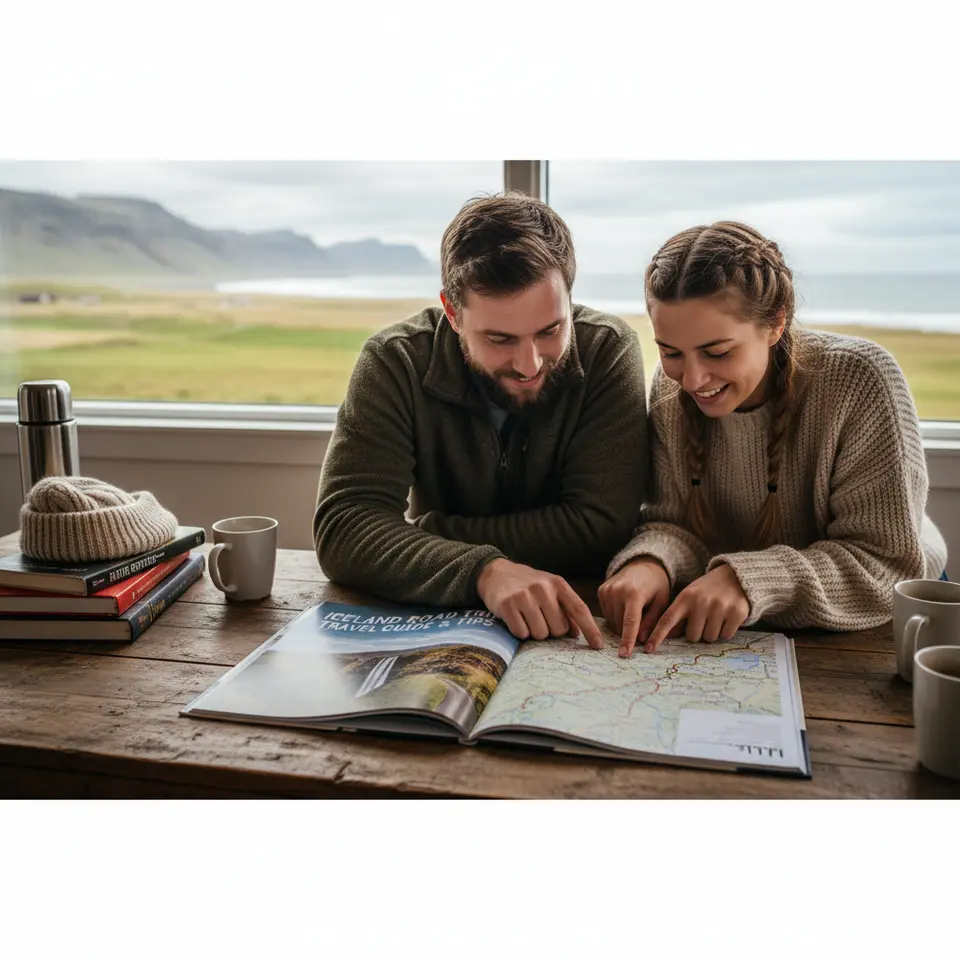
Embarking on an Iceland road trip is one of the most exhilarating ways to experience the unique blend of rugged landscapes, geothermal wonders, and cultural heritage in today’s travel scene. This year (2026), travelers from around the globe are seeking destinations that combine awe-inspiring natural beauty with the freedom of self-drive exploration. Iceland’s Ring Road, also known as Route 1, offers a complete loop around the island, revealing dynamic vistas that shift from black sand beaches to towering waterfalls, from steaming hot springs to glaciers draped across volcanic plateaus.
In today’s digital landscape, planning a successful journey demands reliable information, thoughtful preparation, and the right gear. Whether you have a compact week or a generous two-week window, this guide will equip you with up-to-date tips, vetted resources, and a flexible itinerary template to make the most of your Iceland road trip. You’ll discover insights into seasonal considerations, driving and safety protocols, accommodation choices, budgeting strategies, and ways to honor the fragile environment you’ll traverse.
By weaving in authoritative advice from the Official Icelandic Road Administration and the Icelandic Meteorological Office, this comprehensive article ensures you have the latest data on road conditions and weather forecasts. From hidden off-the-beaten-path gems to must-see highlights like the Golden Circle and Jökulsárlón Glacier Lagoon, our expert recommendations will inspire a seamless and unforgettable adventure. Let’s begin planning your unparalleled Iceland road trip.
Why Embark on an Iceland Road Trip?
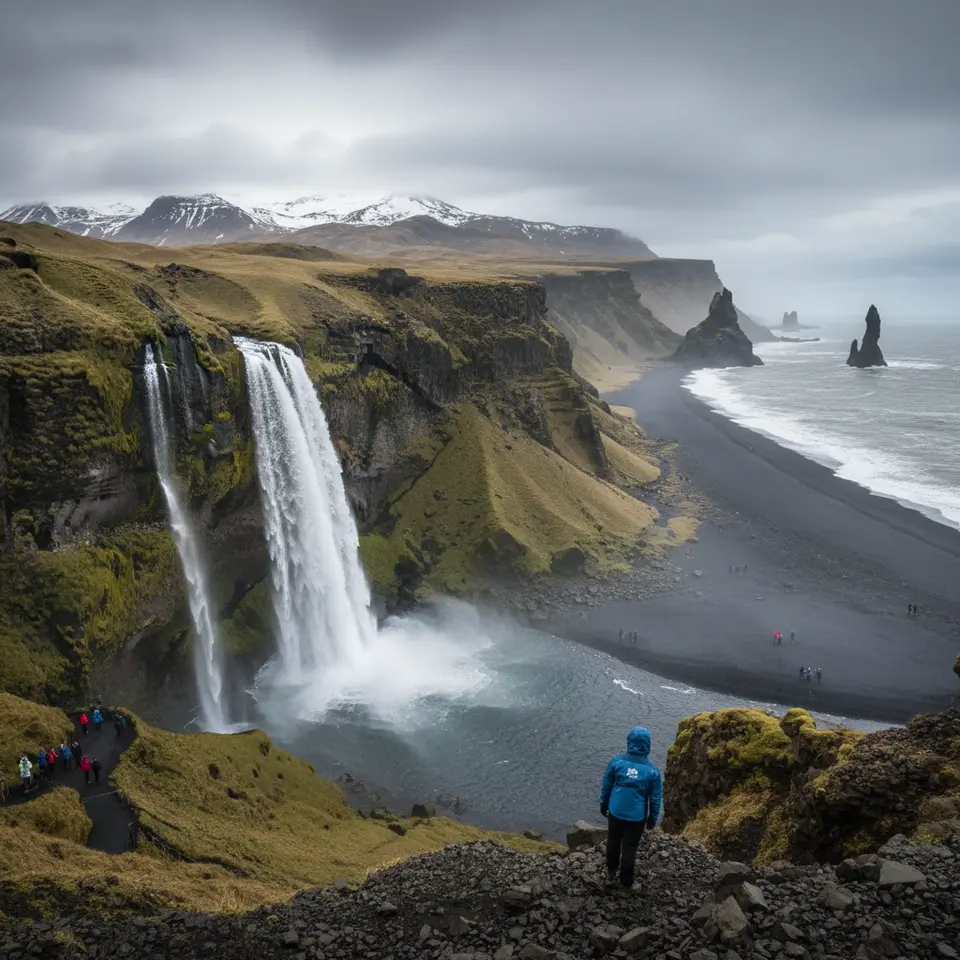
An Iceland road trip stands out for its unmatched flexibility and immersive potential. Unlike guided tours with fixed schedules, a self-drive adventure empowers you to linger at captivating sites whenever inspiration strikes. Whether you’re chasing the cascading veil of Seljalandsfoss at sunrise, lingering for a midnight sun swim in a secluded natural pool, or pivoting instantly to photograph an erupting geyser, the open road gives you full control.
Route 1, the renowned Ring Road, spans approximately 1,332 kilometers, tracing the coastline and threading through coastal villages, lava fields, fjords, and glacial tongues. Along this iconic circuit, you’ll encounter diverse ecosystems: stark volcanic deserts in the central highlands, verdant moss blankets along rivers, and rugged cliffs where puffins nest in summer. The contrast of ice and fire is not merely a marketing slogan but an everyday reality.
Beyond the landscapes, an Iceland road trip allows cultural connections. You might pause at a centuries-old turf church, sample traditional skyr and rye bread baked in geothermal steam, or converse with local farmers at a family-run guesthouse. In today’s era of mass tourism, these authentic moments create lasting memories and foster respect for local traditions.
Moreover, Iceland has invested heavily in road infrastructure and safety. Thanks to resources like the Official Icelandic Road Administration, you can check live traffic updates, 24-hour weather alerts, and road closures, ensuring you drive informed and prepared. Combining structured planning with spontaneity, an Iceland road trip delivers both adventure and peace of mind.
Timing Your Journey: When to Hit the Road
Selecting the optimal window for your Iceland road trip is a crucial decision that shapes your entire experience. Each season offers distinct advantages, from endless daylight to spectacular Northern Lights displays. Currently, most travelers consider three primary seasons: summer, shoulder, and winter.
Summer (June–August) in Iceland provides nearly 24 hours of daylight, creating a surreal ambiance known as the midnight sun. Roads to highland areas like Landmannalaugar and Þórsmörk open fully, allowing access to rugged tracks and remote campsites. Temperatures hover around 10 °C to 15 °C, making hiking and wildlife viewing particularly comfortable. However, this peak period also draws the largest crowds, and accommodation rates can be highest.
Shoulder seasons (May and September) offer a balance between accessibility and serenity. In May, early spring blooms carpet meadows with lupine and other wildflowers, while September brings crisp air and fiery foliage. Many roads remain open, though highland routes may close briefly for safety. Prices tend to moderate compared to midsummer, and you’ll find more breathing room at popular attractions like Gullfoss and Skógafoss.
Winter (October–April) transforms Iceland into a snow-draped wonderland. You’ll witness frozen waterfalls, steam rising above snowy plains, and, on clear nights, the ethereal glow of the Aurora Borealis. Due to snow and ice, some routes require 4×4 vehicles with studded tires. Always monitor conditions via the Official Icelandic Road Administration and the Icelandic Meteorological Office before departure. Even in winter, adventurous travelers can traverse portions of the Ring Road, provided they respect safety guidelines.
Ultimately, your chosen timing will depend on whether you prioritize extended daylight for exploration, solitude and moderate weather, or the magical winter scenery complete with Northern Lights. Regardless of when you travel, planning well in advance and securing accommodations early will help you build a seamless itinerary.
Designing Your Route: Itinerary Highlights
Creating a balanced itinerary is key to enjoying an Iceland road trip without feeling rushed. A typical loop around the Ring Road takes 7–10 days, but if you have extra time, you can venture into the Westfjords or linger longer in the Eastfjords. Below is a curated breakdown of core highlights, organized to maximize both famous landmarks and hidden treasures.
Golden Circle and Southwest Wonders
Begin in Reykjavík, then drive northeast to Þingvellir National Park, a UNESCO World Heritage site where the North American and Eurasian tectonic plates diverge. Next, visit the Geysir Geothermal Area to witness Strokkur’s eruptions every few minutes, followed by the thunderous Gullfoss waterfall. Depending on time, detour to the Kerið volcanic crater or the Secret Lagoon in Flúðir.
South Coast and Vatnajökull Region
Continue east along the coastal road, stopping at the twin cascades of Seljalandsfoss and Gljúfrabúi, then climb the staircase at Skógafoss for panoramic views. In Vík, explore Reynisfjara’s basalt sea stacks and black sand beach. Further east, hike through Fjaðrárgljúfur Canyon before reaching the vast glacial reserve of Skaftafell, part of Vatnajökull National Park.
Glacial Lagoons and Eastfjords
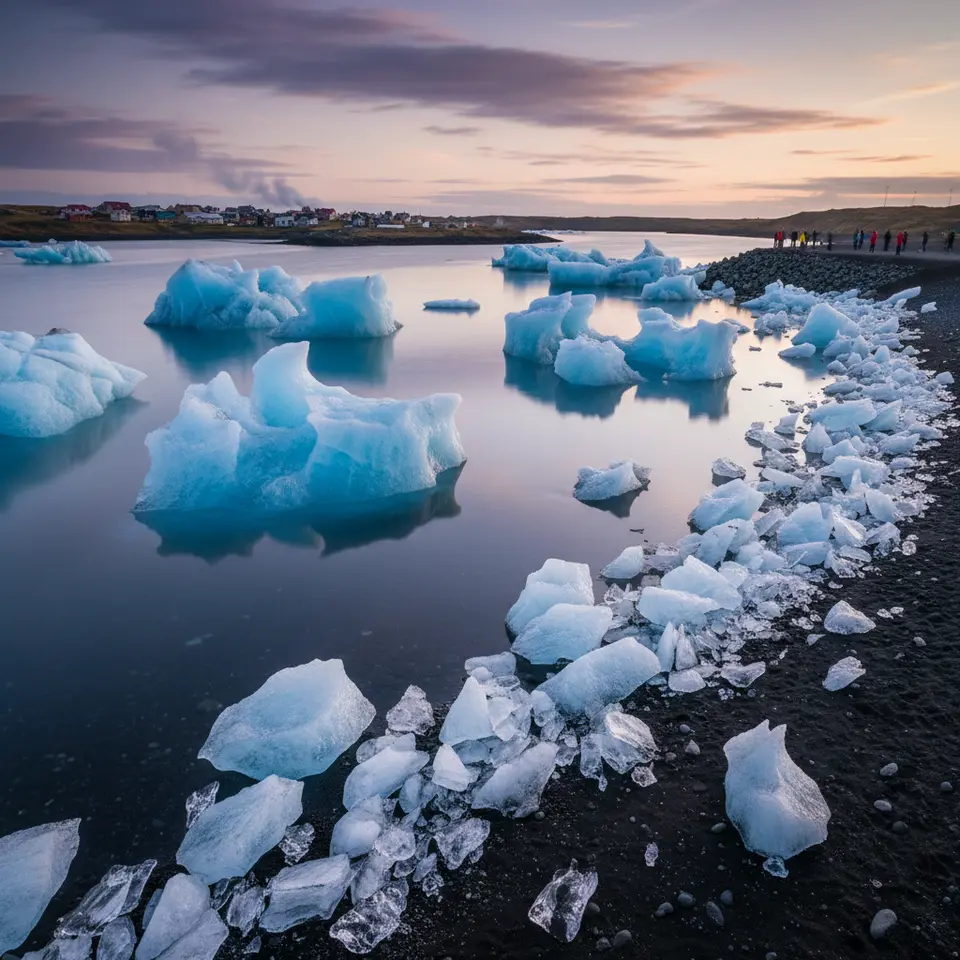
At Jökulsárlón, book a zodiac or amphibian boat tour among floating icebergs, then stroll Diamond Beach to admire ice fragments glittering on black sand. As you head toward the Eastfjords, plan stops in quaint fishing villages like Djúpivogur and Seyðisfjörður, where colorful houses slope toward serene fjords.
North Iceland and Mývatn
The Dettifoss waterfall, hailed as Europe’s most powerful, lies within Vatnajökull’s eastern edge. Nearby Lake Mývatn offers geothermal pseudocraters, bubbling mud pools at Hverir, and the soothing Mývatn Nature Baths. On the way, pause for Goðafoss, the aptly named ‘Waterfall of the Gods.’
Westfjords or Snæfellsnes Extension
If time allows, choose between the remote Westfjords—featuring towering cliffs at Látrabjarg and the tiered Dynjandi waterfall—or the Snæfellsnes Peninsula, home to the iconic Kirkjufell mountain, the black church at Búðir, and the mystical Snæfellsjökull glacier.
Return to Reykjavík
Complete your loop back in the capital, wandering Reykjavík’s Old Harbour, admiring Hallgrímskirkja Church, and sampling local craft beers before your departure. Throughout your journey, maintain flexibility—inclement weather or unexpected local events can inspire impromptu detours to lesser-known sights.
Staying Safe: Driving and Packing Essentials
Safety is paramount on any Iceland road trip, particularly given the island’s dynamic weather and varying road surfaces. Prioritize preparation by reviewing live updates from the Official Icelandic Road Administration and the Icelandic Meteorological Office before setting out each day.
Vehicle selection plays a critical role. During summer, a standard all-wheel-drive car can handle most paved sections, but for F-roads or winter travel you’ll need a 4×4 with high clearance and studded or winter tires. Always carry emergency supplies: warm blankets, high-energy snacks, extra water, a first-aid kit, and a portable phone charger. Cell reception can be spotty in remote areas, so download offline maps via apps like Maps.me or Garmin before departure.
On gravel roads, reduce speed and avoid sudden braking to minimize the risk of skidding. Approach single-lane bridges with caution, yield to oncoming traffic when indicated, and watch for sheep and other wildlife at dawn and dusk. In river-crossing zones, research water depth and current strength; if in doubt, seek local advice or choose an alternative route.
Layered clothing is essential for Iceland’s unpredictable climate. Include waterproof and windproof outerwear, thermal base layers, sturdy hiking boots, and moisture-wicking socks. A reliable windproof hat, gloves, and neck gaiter will protect you during exposed hikes. Don’t forget a swimsuit and towel—soaking in natural hot springs like Reykjadalur’s warm river is a quintessential Iceland experience.
Finally, respect local regulations regarding road closures and private driveways. Parking at designated areas helps preserve fragile tundra vegetation. Following these guidelines ensures your Iceland road trip remains both safe and environmentally responsible.
Managing Costs and Embracing Local Culture
Iceland is known for higher travel costs, but with strategic budgeting and cultural awareness, you can enjoy a fulfilling journey without overspending. Self-catering is one of the most effective ways to control meal expenses: supermarkets like Bónus and Krónan offer affordable groceries, and filling reusable water bottles at public taps eliminates the need for bottled water.
Accommodation options range from budget hostels and campsites to mid-range guesthouses and premium countryside hotels. Camping is especially economical during summer months (permit requirements apply), while farm stays offer a blend of local culture and comfortable amenities. Booking well in advance—particularly for July and August—helps secure better rates.
Dining out can be costly, so consider packing picnic lunches before heading out for a day of sightseeing. If you do indulge in local restaurants, explore casual options like fish and chips stands or lobster soup huts near harbors, which often provide quality fare at lower prices.
Responsible travel also involves engaging respectfully with Icelandic culture. Learn a few basic Icelandic phrases such as “takk” (thank you) and “bless” (goodbye), and support locally owned businesses by purchasing handcrafted woolen goods or locally distilled schnapps. Always follow the Leave No Trace principle—stay on marked trails, dispose of waste properly, and avoid disturbing moss and tundra flora, which can take decades to regenerate.
By balancing economy with cultural immersion, your Iceland road trip becomes more than a sightseeing tour—it transforms into a meaningful exchange with the land and its people.
FAQ
Do I need a special driver’s license to rent a car in Iceland?
No, a valid driver’s license from your home country is sufficient. If your license is not in Latin characters, you may need an International Driving Permit (IDP) as well.
What type of vehicle should I choose for winter travel?
For travel between October and April, a 4×4 vehicle with studded or winter tires and high ground clearance is highly recommended to navigate ice and snow-covered roads safely.
Are petrol stations readily available around the Ring Road?
Yes, fuel stations are frequent along Route 1, but in very remote areas or fjords, distances between stations can exceed 80 kilometers. It’s wise to top up whenever you have the chance.
Can I use my mobile phone for navigation everywhere?
Cell reception is good near towns and along most of the Ring Road, but it can be patchy in highlands and remote valleys. Download offline maps before departure and carry a paper backup or GPS device.
Conclusion
An Iceland road trip in 2026 offers a harmonious blend of untamed wilderness, cultural authenticity, and logistical convenience for the discerning traveler. From planning around seasonal variations to charting a personalized loop along the Ring Road, each aspect of your journey can be tailored to suit your pace and interests. With robust infrastructure managed by the Official Icelandic Road Administration and precise meteorological insights from the Icelandic Meteorological Office, you’ll navigate challenging conditions with confidence.
Whether you’re marveling at the midnight sun, savoring geothermal dips, or tracing the edge of ancient glaciers, a self-drive adventure in Iceland fosters both spontaneity and structure. Equip yourself with proper gear, plan key stops along a flexible itinerary, and respect the fragile environment and vibrant local communities. With these elements in place, your Iceland road trip will be an unforgettable odyssey through the land of fire and ice in today’s ever-evolving travel landscape.
