


In today’s digital landscape, travelers seeking authentic experiences are increasingly drawn to world’s hidden gems that lie beyond conventional guidebooks. As of this year (2026), adventurers crave destinations marked by solitude, cultural depth, and unspoiled beauty. This guide is designed to equip backpackers, couples, and families with everything needed to plan a memorable journey off the beaten path. From initial inspiration and detailed planning strategies to insider tips and sample itineraries, we’ll walk through every step to ensure your next expedition uncovers secluded bays, mountain hamlets, and secret waterfalls. By blending practical advice with inspiration from authoritative sources like UNESCO and the Centers for Disease Control and Prevention, you’ll discover how to navigate logistics safely, respect local traditions, and stretch your budget without sacrificing comfort. Whether you’re mapping out a solo trek or coordinating a multi-generational family escape, this comprehensive blog post will guide you toward discovering and cherishing the world’s hidden gems.
Why Explore Hidden Gems?
Exploring world’s hidden gems offers travelers an unparalleled depth of connection rarely found in crowded tourist hubs. These locales provide genuine encounters with local communities, offering insights into time-honored traditions and culinary specialties untouched by mass tourism. Stepping away from popular attractions also grants a sense of tranquility, as you stroll along empty beaches or hike silent trails at sunrise. In addition, off-the-grid adventures often lead to unique adrenaline-fueled moments—imagine stumbling upon an unmarked waterfall in a remote jungle or camping under a canopy of stars without light pollution.
Moreover, in today’s digital landscape, niche travel forums and social media groups have made it easier than ever to research these secluded spots. By tapping into regional tourism board websites and local expert blogs, you can gather up-to-date information on permits, safety considerations, and environmental regulations. This meticulous preparation elevates your experience by ensuring both personal safety and environmental stewardship. Ultimately, by favoring these less-traveled paths, you’ll return with stories that go far beyond postcard snapshots—creating memories that resonate long after you’ve unpacked your gear.
Planning Your Off-Beaten-Path Adventure

Effective planning is the cornerstone of any successful journey to world’s hidden gems. Start by defining your travel style: are you seeking budget-friendly homestays or boutique eco-lodges? Will you navigate by public transport, or rent a 4×4 to tackle rugged terrain? Clarifying these preferences early sets realistic expectations and helps you shortlist destinations that align with your comfort level and adventure spirit.
Next, build a flexible itinerary that accommodates unexpected changes. Remote areas often lack reliable schedules, so factor in buffer days to account for delays or sudden weather shifts. Consider enlisting local guides through credible platforms such as TripAdvisor or region-specific associations listed on UNESCO’s official website (https://whc.unesco.org/en/list/) to unlock deeper cultural insights and secure safe passage through less charted territories.
Research beyond mainstream resources. Dive into specialized forums, niche travel podcasts, and hashtags like #offthegridtravel to uncover firsthand reports. Government portals, for instance the Centers for Disease Control and Prevention’s travel section (https://wwwnc.cdc.gov/travel), offer essential health advice and required vaccinations. Combining these channels ensures you stay informed about visas, local customs, and seasonal considerations—paving the way for an adventure that respects communities and ecosystems alike.
Top Hidden Gems Around the World
No single list can capture every secret treasure on our planet, but the following regions offer a taste of the secluded beauty waiting to be discovered.
Asia’s Secluded Marvels
East of the Himalayas lies Phu Chi Fa in northern Thailand, a cliffside viewpoint shrouded in mist at dawn. Nearby, Vietnam’s Sapa region hides the Silver Waterfall, cascading through rice terraces that paint the hills in vibrant green. In Nepal, the Gokyo Lakes remain quieter than the famed Everest Base Camp route, with turquoise waters set against towering peaks.
Europe’s Hidden Corners
Wander through the limestone trulli dwellings of Alberobello, Italy, where white roofs rise from olive groves in an uncommercialized UNESCO site. Further north, Norway’s Lofoten Archipelago summons photographers with jagged peaks reflected in fjord waters, all without tour buses. In Spain, Cabo de Gata’s volcanic coastline reveals secret coves framed by organic farms and transparent seas.
The Americas’ Secret Escapes
In Mexico’s Puebla state, the town of Zacatlán is known for mist-draped orchards and a vintage clock museum untouched by crowds. Brazil’s Chapada Diamantina hides plateaus and cavern pools ideal for multi-day treks. And in the United States, Isle Royale National Park offers true wilderness in Lake Superior, accessible only by seaplane or ferry, where moose and wolves outnumber visitors.
Essential Tips for Safe and Sustainable Hidden-Gem Travel
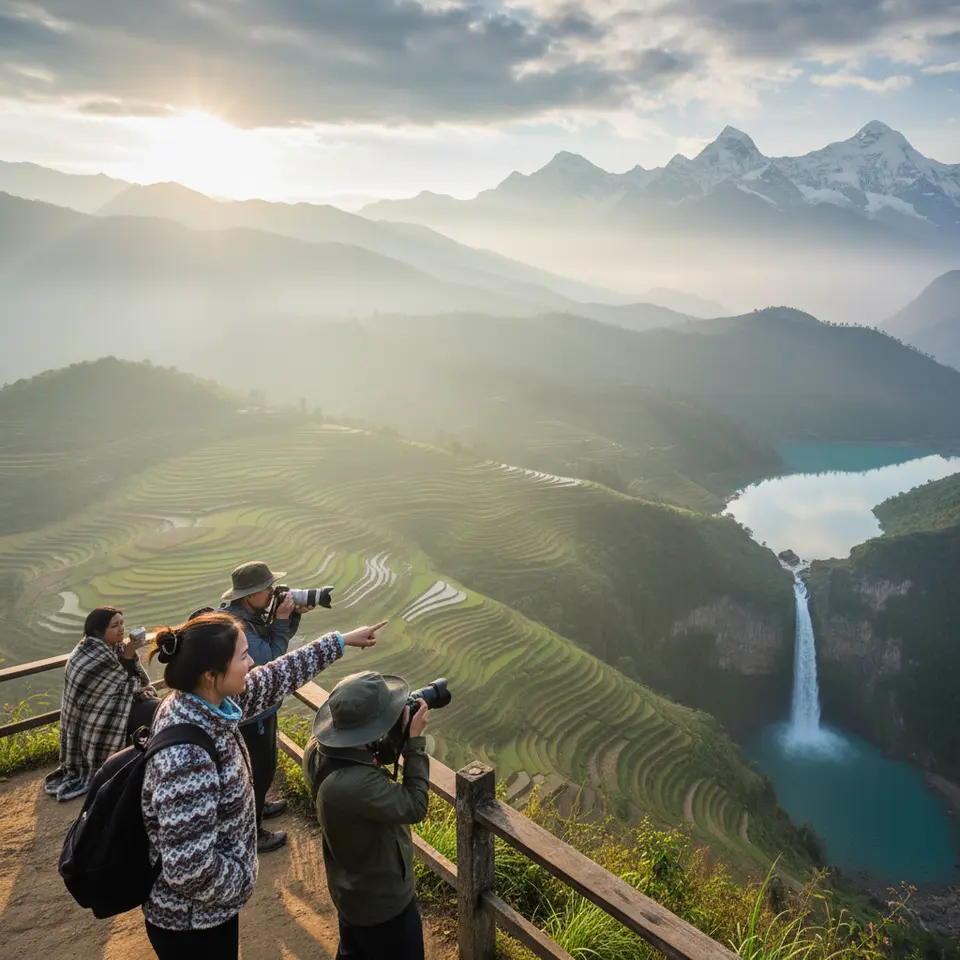
Venturing into remote destinations requires diligent safety and sustainability measures. Begin by monitoring political advisories and health alerts from official sources, and always secure any necessary permits or park passes in advance. Pack a well-stocked first-aid kit, offline navigation tools, and consider a satellite messenger if cellular coverage is spotty.
Adopt a minimalist packing philosophy. A 40-liter backpack with quick-dry layers, a compact water filter, and multifunctional gear ensures mobility on narrow mountain paths or unpredictable water crossings. Remember that every ounce counts when you’re hiking to a destination without vehicle access.
Respecting local communities is non-negotiable. Learn basic greetings in the native language, request permission before taking photographs, and follow the Leave No Trace principles. Opt for lodging and tours that channel revenue back into the community, such as family-run homestays or eco-lodges that support wildlife conservation.
By choosing operators certified by recognized bodies, you contribute to long-term preservation. Sustainable tourism practices not only protect fragile ecosystems but also enrich your connection to each location, ensuring that world’s hidden gems remain vibrant for generations to come.
Budgeting, Sharing, and a Sample Two-Week Itinerary
Managing expenses wisely lets you extend your stay and discover hidden corners without overspending. Travel during shoulder seasons to capitalize on lower prices and fewer crowds. Regional transport options—shared minibuses or group 4×4 services—often cost less than private shuttles. Planning meals in local markets and cooking in rented kitchens can slash food bills while immersing you in authentic flavors.
To capture your journey, pack a lightweight tripod, smartphone-compatible lenses, and a reliable power bank. Golden hour photography yields stunning landscapes, while candid portraits require cultural sensitivity—always ask before photographing individuals or sacred rituals. Keeping a digital journal or blog helps catalog tips and experiences, inspiring others in today’s connected travel community.
Here’s a flexible itinerary for a two-week odyssey of world’s hidden gems:
- Days 1–3: Sunrise overlook at Phu Chi Fa, Thailand, followed by a local homestay experience.
- Days 4–6: Explore Alberobello’s trulli houses and olive groves in Italy’s Puglia region.
- Days 7–9: Trek Chapada Diamantina’s caves and waterfalls in Brazil, camping under the stars.
- Days 10–12: Witness flamingo breeding along Lake Natron’s red shores and engage with Maasai traditions in Tanzania.
- Days 13–14: Snorkel pristine reefs and summit volcanic peaks on Lord Howe Island, Australia.
FAQ
Q: How do I find reliable local guides?
A: Start by checking reviews on trusted platforms like TripAdvisor and UNESCO regional associations. Look for guides with certifications, local affiliations, and consistently high feedback. Connecting with fellow travelers via niche forums can also yield personal recommendations.
Q: What should I pack for remote travel?
A: Embrace a minimalist approach—focus on versatile clothing layers, essential first-aid supplies, offline maps, and a compact water purification system. Every ounce matters when trekking to secluded spots without vehicle access.
Q: How can I ensure responsible tourism?
A: Respect local customs, support community-run lodgings, and adhere to Leave No Trace guidelines. Choose operators certified by recognized eco-tourism bodies to contribute positively to conservation efforts and local economies.
Conclusion
In summary, uncovering world’s hidden gems transforms travel into a deeply personal and sustainable endeavor. By aligning your ambitions with careful planning, responsible practices, and flexibility, you gain access to experiences far removed from the typical tourist trail. From misty clifftops in Thailand to secret coves in Europe and wild plateaus in the Americas, these destinations invite you to travel with curiosity and respect. So pack thoughtfully, embrace local customs, and set off on an adventure that will leave an indelible mark on both your memories and the landscapes you explore.
