

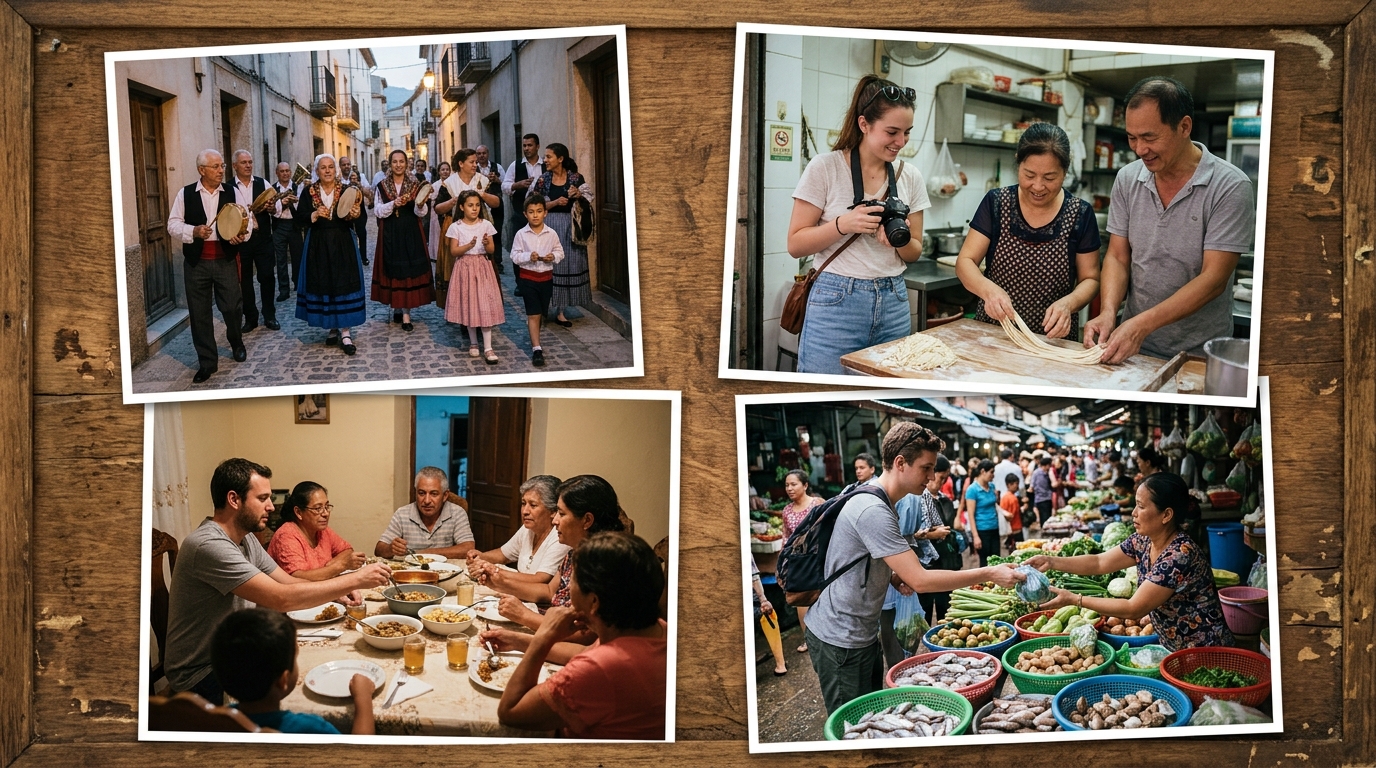
Culture Beyond Tourist Attractions helps travelers connect with the true character of a destination through local food, neighborhoods, traditions, and everyday interactions. By slowing down, respecting local customs, and engaging with communities, travelers can enjoy deeper, more meaningful experiences that create lasting memories beyond famous landmarks.
Culture Beyond Tourist Attractions is where travel becomes personal, memorable, and truly human. Many travelers visit the same landmarks, take the same photos, and leave with the same surface-level memories. But the real story of a place lives in its routines, its rhythms, its food, its language, and the way people spend ordinary days. That is why Culture Beyond Tourist Attractions matters so much for anyone who wants more than a checklist trip.
Culture Beyond Tourist Attractions helps you move from observation to connection. Instead of only seeing a destination, you begin to feel it. You notice how people greet each other, where they shop, what they eat for breakfast, how public spaces are used, and what traditions still shape daily life. These moments create a deeper kind of memory because they are lived, not staged.
Culture Beyond Tourist Attractions is not about avoiding landmarks altogether. It is about balancing the famous with the familiar, the iconic with the intimate. When you learn how to travel with this mindset, your trip becomes richer, calmer, and more meaningful. You stop rushing from attraction to attraction and start paying attention to the life happening all around you.
The best Culture Beyond Tourist Attractions experiences usually come from curiosity, patience, and respect. You do not need a luxury budget or a complicated plan. You need presence. You need to ask better questions, notice local habits, and make choices that bring you closer to real life. This guide will show you how to do that in a way that feels natural, thoughtful, and rewarding.
Why Travel Feels Deeper Beyond the Tourist Trail
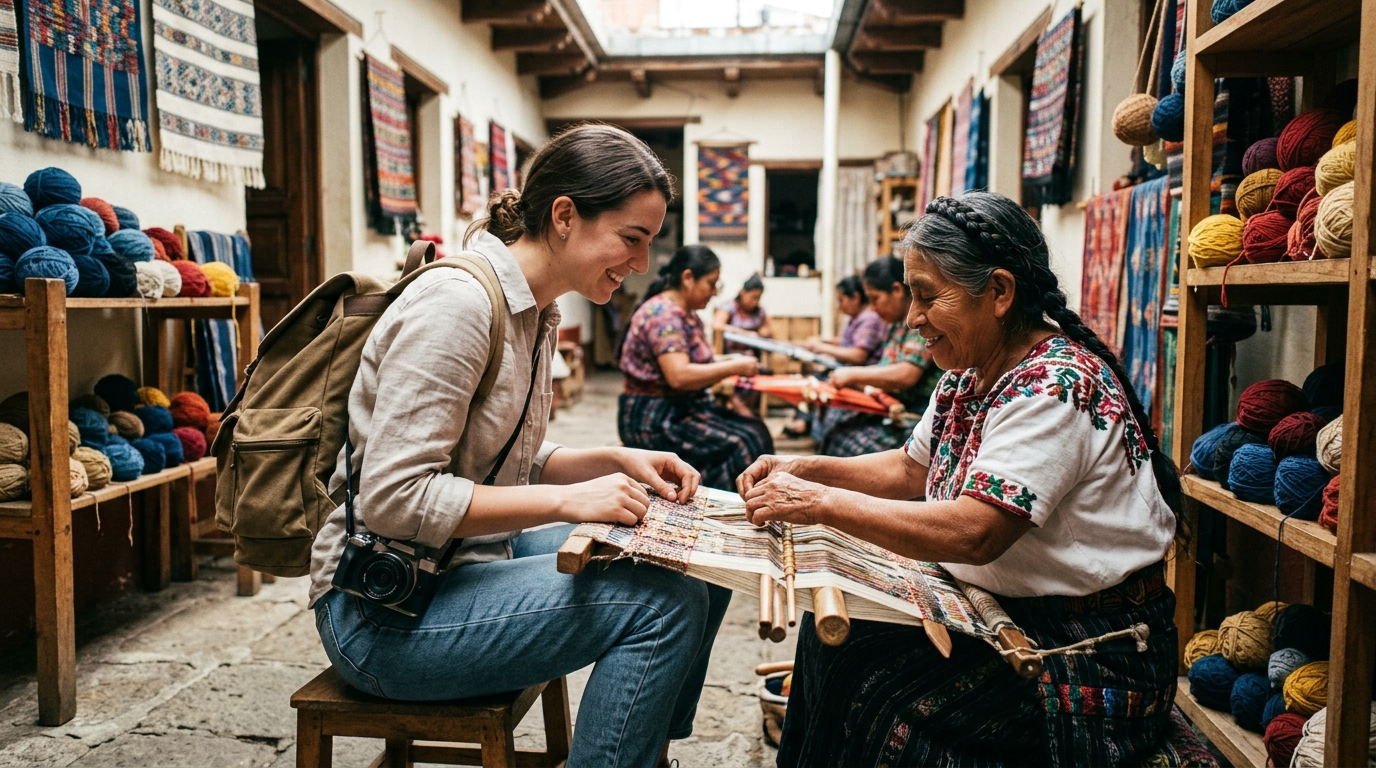
Culture Beyond Tourist Attractions gives travel emotional weight. A famous viewpoint may be beautiful, but a shared meal with a neighborhood family, a local market conversation, or a small community festival can stay with you much longer. People often remember feelings more than facts, and that is what makes cultural travel so powerful.
When you choose Culture Beyond Tourist Attractions, you often reduce the distance between yourself and the place you are visiting. Instead of seeing a destination as a backdrop, you see it as a living community. That shift changes how you move, what you notice, and how you speak to people. It also makes travel more respectful because you begin to understand that a place is home to someone else.
Culture Beyond Tourist Attractions also helps you travel with more intention. Instead of spending every day in crowded zones designed for visitors, you can spend time in places where local life continues normally. That might mean a residential street, a small bakery, a train ride, a public park, or a family-run café. These are not glamorous experiences, but they are often the ones that feel most real.
Many travelers search for authentic travel experiences, but authenticity is not something you can buy at a souvenir shop. It usually appears when you listen, observe, and participate gently. Culture Beyond Tourist Attractions gives you a practical way to find those moments without forcing them. The result is travel that feels less performative and more honest.
Start With Everyday Spaces
Culture Beyond Tourist Attractions often begins in ordinary places. Markets, bakeries, bus stations, public squares, and neighborhood cafés may seem simple, but they reveal how a city or town actually works. If you sit quietly and watch for a while, you will see patterns that guide daily life. You will learn where people gather, when they eat, and how they move through the day.
One of the easiest ways to begin is by spending time in areas where locals run their normal errands. That might mean visiting a grocery store instead of a gift shop, or choosing a local café instead of a chain. Culture Beyond Tourist Attractions becomes easier to understand when you see what people buy, how they speak, and what they value in routine moments.
Culture Beyond Tourist Attractions also opens the door to small surprises. A bakery may have a seasonal recipe that is meaningful in that region. A corner store may sell a snack tied to childhood memory. A bus route may pass through neighborhoods that show how the city really expands. These details matter because they teach you how life functions outside the tourist map.
If you want to know how to experience local culture while traveling, start with observation. Sit, watch, listen, and slow down. The goal is not to collect proof that you were there. The goal is to understand the shape of everyday life. Culture Beyond Tourist Attractions becomes much more rewarding when you stop trying to “do everything” and start paying attention to what people actually do.
Eat Like a Local, Not Like a Visitor
Culture Beyond Tourist Attractions is often easiest to taste. Food is one of the clearest expressions of identity, memory, and tradition. Instead of only choosing international restaurants or menu items that feel familiar, try local dishes, regional snacks, and family-run places. This is where you can discover the texture of a place through flavor.
A simple meal can tell you a lot. Ask what is popular at breakfast, what people eat during celebrations, or which dish is connected to the season. Culture Beyond Tourist Attractions becomes more vivid when food is treated as part of daily life, not just entertainment. Even a small lunch counter can teach you more about a culture than a polished tourist restaurant.
It helps to order with curiosity and humility. Ask what the staff recommends. Ask what dish is most typical for the area. Ask which ingredients are local and which recipes have been passed down. These questions often lead to better meals and better conversations. They also show that you are interested in learning, not just consuming.
This is also where authentic local cultural experiences begin to feel tangible. A meal shared at a communal table, a street-food snack eaten after a local commute, or a home-cooked dish prepared by a family-run kitchen can tell you more than a guidebook ever could. Culture Beyond Tourist Attractions is not only seen; it is tasted, smelled, and remembered.
Listen to People, Not Just Guidebooks
Culture Beyond Tourist Attractions becomes deeper when you treat conversations as part of the journey. A guidebook can tell you where a palace is located, but a local person can tell you how the neighborhood changed, which festival matters most, or where to find the best bread in the morning. Real understanding often comes from people, not pages.
You do not need deep or formal interviews. A few respectful questions can open up a place. Ask where people like to spend their weekends. Ask what traditions are important to their family. Ask which local habit they think visitors misunderstand. These questions can reveal layers of meaning that most tourists never reach. Culture Beyond Tourist Attractions grows stronger through small, honest exchanges.
It is also important to listen without rushing to compare everything to home. When someone explains a custom, let it stand on its own before you evaluate it. That patience creates trust. It also helps you understand that cultural meaning is shaped by history, place, and community, not just personal preference.
If you are interested in meaningful cultural travel experiences, conversation is one of the best tools you have. It does not have to be intense or formal. A taxi driver, a shop owner, a neighbor, or a host can all offer insight if you approach them with respect. Culture Beyond Tourist Attractions becomes more human when your trip includes real voices.
Use Local Habits as Your Travel Guide
Culture Beyond Tourist Attractions is easier to understand when you follow the flow of local life. Watch when people go out, where they linger, and how public time is used. If a park fills up at sunset, that tells you something. If a market becomes active in the early morning, that tells you something too. Daily patterns reveal cultural priorities.
This is where a travel like a local guide mindset helps. Instead of asking, “What should I see first?” ask, “How do people live here?” That change in question changes the entire trip. It leads you to less crowded places, slower experiences, and more meaningful encounters. Culture Beyond Tourist Attractions is built on this kind of perspective.
You can also use transportation as part of the experience. Taking a local bus, train, ferry, or shared ride often shows you neighborhoods and routines that organized tours ignore. Watch how commuters behave, where they get off, and what places seem important enough to return to each day. Culture Beyond Tourist Attractions often appears between destinations, not just at them.
Sometimes the most useful clues are the smallest ones. How people dress. How they queue. How they greet strangers. How they spend time with family. These details are part of local traditions and customs guide knowledge, even if no one hands you a booklet. Culture Beyond Tourist Attractions becomes clearer when you read the everyday signals around you.
Spend Time in Neighborhoods, Not Only Hotspots
Culture Beyond Tourist Attractions becomes more grounded when you leave the busiest center and spend time where people actually live. Neighborhoods often reveal the real personality of a place. You may find laundry hanging from balconies, small mosques or churches, local children playing, corner shops, and people greeting neighbors they see every day. Those scenes matter.
Exploring neighborhoods is also a great way to find off-the-beaten-path cultural experiences. A small community bakery, a local sports field, a quiet library, or a regional craft shop may not appear on a top-ten list, but they often hold the feeling of the place much better than a crowded landmark does. Culture Beyond Tourist Attractions thrives in these quieter spaces.
You do not need to enter people’s private lives to appreciate a neighborhood. Simply walking respectfully, buying from local businesses, and observing public life is enough. Keep your voice down, follow local norms, and avoid acting like the street belongs to you. That simple behavior helps maintain trust and keeps your experience positive.
A neighborhood stroll can also become one of the best cultural immersion travel tips you will ever follow: slow down enough for the place to unfold. Culture Beyond Tourist Attractions is rarely found in a hurry. It is found when you let a street, a block, or a market tell its own story.
Join Community-Centered Activities
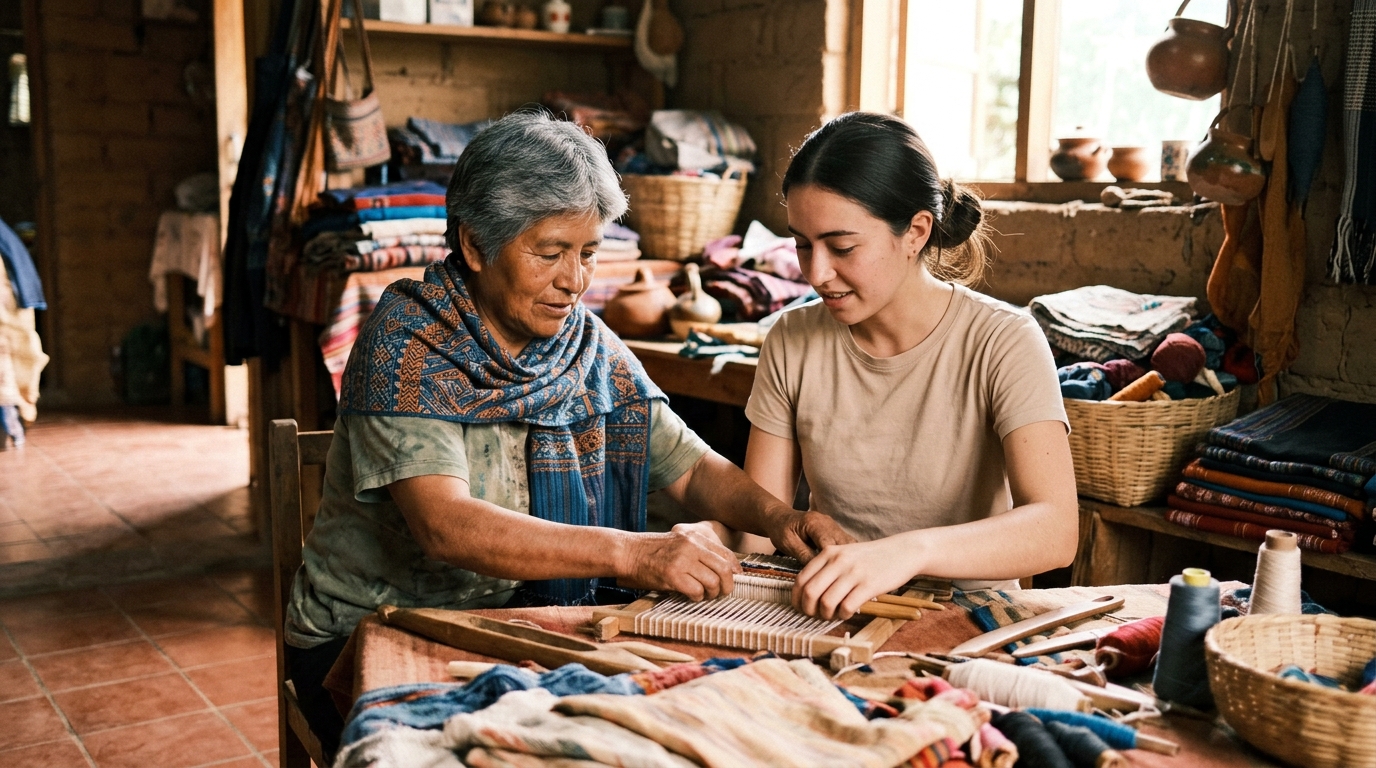
Culture Beyond Tourist Attractions is stronger when you participate, not just watch. Community workshops, local cooking classes, small art sessions, language exchanges, religious or seasonal ceremonies where visitors are welcome, and neighborhood events can all create a deeper connection to place. Participation turns observation into relationship.
One of the most rewarding parts of this approach is connecting with local communities while traveling in a way that feels natural and respectful. You are not there to take over or perform cultural appreciation. You are there to learn, support, and engage gently. Even a short conversation before or after an activity can make the experience more meaningful.
Choose activities that are locally organized rather than overly commercialized whenever possible. That way, your money and attention support people who actually live there. Culture Beyond Tourist Attractions is not only a travel style; it is also a way to contribute to the places you visit. Your choices can help preserve local knowledge and local livelihoods.
This is also where authentic local cultural experiences become easier to notice. A community drum circle, a heritage craft lesson, or a small volunteer event can teach you more about values and social bonds than a typical sightseeing stop. Culture Beyond Tourist Attractions becomes richer when you take part in shared experience.
Learn a Few Words and Local Signals
Culture Beyond Tourist Attractions often begins with language. Even a few simple phrases in the local language can change the tone of an interaction. Greetings, thank-yous, and polite questions show respect and reduce distance. People usually notice when you make an effort, and that effort matters.
Learning how people speak also helps you understand the social rhythm of a place. Some cultures are warm and direct; others are more formal and reserved. Some use a lot of body language; others keep interactions more restrained. Culture Beyond Tourist Attractions becomes clearer when you recognize that communication is part of culture too.
You do not need to become fluent to benefit. The goal is not perfection. The goal is goodwill. A few well-placed words can open doors, soften interactions, and lead to more natural conversations. Sometimes those conversations become the most memorable part of the trip.
This approach also supports authentic travel experiences because it helps you meet people where they are instead of expecting everyone to meet you in your own language. Culture Beyond Tourist Attractions grows when respect becomes part of your travel behavior.
Respect What Is Private and What Is Public
Culture Beyond Tourist Attractions requires sensitivity. Not everything interesting should be photographed, posted, or entered. Some spaces are sacred, some are personal, and some are simply not meant for outsiders to intrude upon. Respect is one of the most important travel skills you can practice.
Ask yourself whether your presence is welcome before you step into a space. Watch how locals behave. If everyone is quiet, stay quiet. If a place requires dress standards or specific conduct, follow them. Culture Beyond Tourist Attractions is not about taking as much as you can; it is about entering with care.
This is especially important around religious spaces, family gatherings, and local ceremonies. Even when visitors are allowed, the space may still hold deep meaning for the people who use it. A thoughtful traveler knows how to stay humble, avoid interruption, and learn without demanding attention. Culture Beyond Tourist Attractions becomes more rewarding when respect comes first.
When you behave this way, people often respond with generosity. A small gesture of courtesy can lead to a warm smile, a helpful explanation, or an invitation to learn more. Culture Beyond Tourist Attractions grows when trust grows.
Build a Flexible Day, Not a Packed Schedule
Culture Beyond Tourist Attractions works best when your day has room to breathe. If every hour is scheduled, you leave no space for surprise. But some of the best travel memories come from unplanned moments: a local parade, an unexpected conversation, a neighborhood festival, or a café recommendation from someone you met that morning.
A flexible plan gives you structure without pressure. Start with one or two anchors for the day, then leave the rest open. That way you can adapt if something interesting appears. Culture Beyond Tourist Attractions often rewards travelers who are willing to change direction when the moment calls for it.
This also helps you avoid the common trap of overconsumption. When every attraction is treated like a task, travel becomes tiring. When you leave room for observation and rest, the trip becomes more satisfying. Culture Beyond Tourist Attractions is about quality of experience, not quantity of stops.
If you need a practical rule, use this one: do less, notice more. That mindset keeps the trip open and gives space for genuine encounters. Culture Beyond Tourist Attractions is always stronger when you have time to absorb what you are seeing.
Conclusion
Culture Beyond Tourist Attractions is the key to more meaningful travel. It transforms a trip from a sightseeing routine into a deeper human experience. You do not need to chase every famous site or make every moment perfect. You only need to stay open, notice carefully, and choose experiences that bring you closer to local life.
The most memorable journeys are often the ones that feel quiet, honest, and personal. Culture Beyond Tourist Attractions gives you the freedom to discover those moments naturally. Whether you are tasting local food, learning a few words, walking through a neighborhood, or sharing a conversation, you are building a richer memory of the place.
Travel becomes more fulfilling when you remember that every destination is more than its postcards. It is a living world with habits, stories, and people. Culture Beyond Tourist Attractions helps you enter that world with respect and curiosity, and that is where truly authentic travel begins.
FAQ
What does Culture Beyond Tourist Attractions mean?
Culture Beyond Tourist Attractions means experiencing a destination through local routines, food, conversations, neighborhoods, and traditions instead of relying only on popular landmarks.
How can I start experiencing Culture Beyond Tourist Attractions on a short trip?
Start with one local market, one neighborhood café, one public space, and one conversation. Even a short trip can feel deeper when you focus on small, real-life moments.
Is it better to avoid tourist attractions completely?
No. Famous places can still be valuable. The best approach is balance. Visit key landmarks if they matter to you, but also make room for local life and everyday experiences.
How do I find authentic local cultural experiences?
Look for community-run activities, family-owned restaurants, local markets, neighborhood events, and respectful conversations with residents. These often reveal more than commercial tours.
What is the biggest mistake travelers make?
The biggest mistake is rushing. When you move too fast, you see only surfaces. Slowing down gives you a better chance to understand how a place actually lives.
How can I be respectful while exploring local culture?
Observe local behavior, follow dress and conduct norms, ask before taking photos in sensitive places, and treat people as hosts rather than scenery.
Can Culture Beyond Tourist Attractions help me travel more meaningfully?
Yes. It helps you build real connection, remember specific moments, and understand a destination more humanly. That usually makes the trip feel more rewarding long after you return.
