

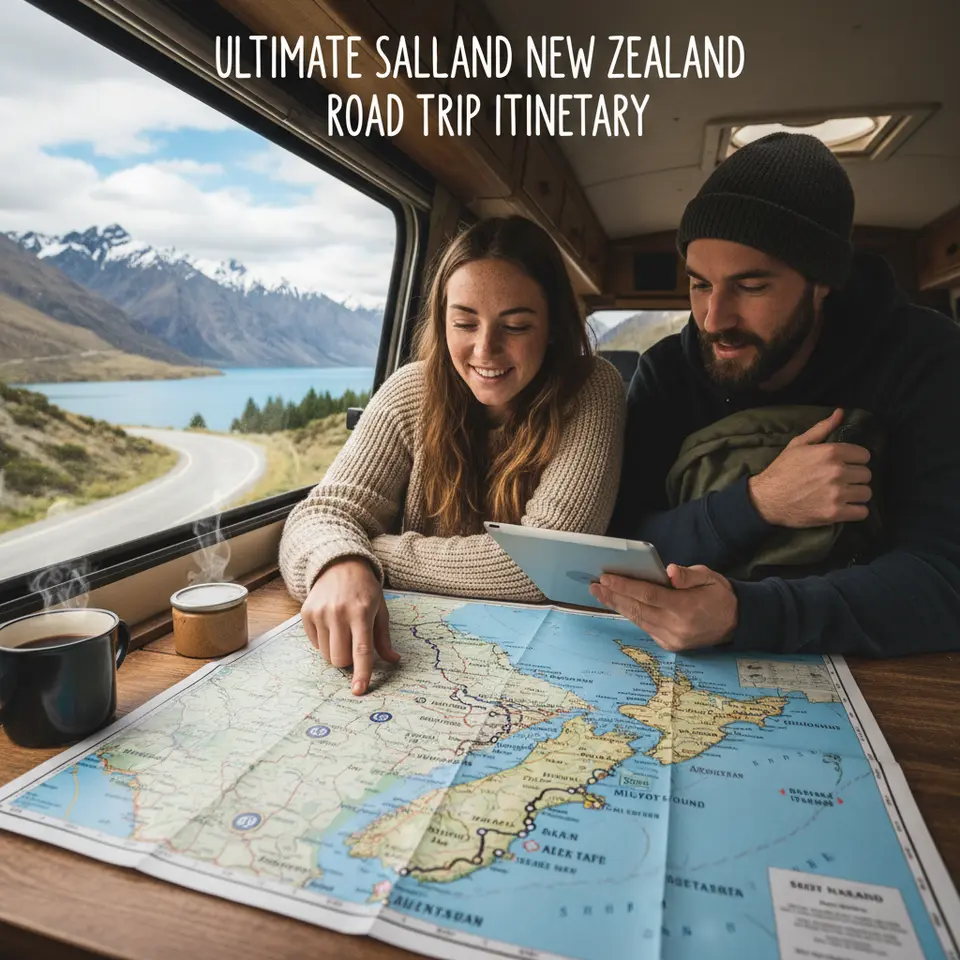
Today’s travelers crave unforgettable experiences that blend stunning scenery, rich culture, and exhilarating adventure. A South Island New Zealand road trip itinerary offers the perfect opportunity to immerse yourself in dramatic landscapes, from glacial lakes and rugged coastlines to alpine passes and temperate rainforests. In today’s digital landscape, planning such an epic journey requires comprehensive guidance on routes, timing, vehicle choices, accommodations, budgeting, and daily highlights. This year (2026), we’ve distilled expert recommendations, official resources, and insider tips into one definitive guide that ensures you make the most of every mile on New Zealand’s South Island. Whether you’re a first-time visitor or a seasoned explorer, this road trip itinerary will help you navigate with confidence, optimize your travel days, and experience the best of what this extraordinary island has to offer.
Planning Your Trip With Confidence
Mapping out a successful South Island New Zealand road trip itinerary starts well before you pack your bags. The island stretches over 1,600 kilometers from Cape Farewell in the north to Slope Point in the south, so realistic daily driving segments of two to four hours strike the right balance between discovery and relaxation. Begin by plotting key waypoints—like Lake Pukaki’s turquoise expanse, Arthur’s Pass alpine vistas, and the iconic Nugget Point lighthouse—on your chosen navigation platform or GPS unit. An official source such as the New Zealand Transport Agency (nzta.govt.nz) offers up-to-the-minute information on road conditions, closures, and one-lane bridge locations, crucial for safe and predictable travel.
Next, consider your entry and exit points. Flying into and out of Christchurch simplifies car rental logistics and often secures better flight deals. Once your route is sketched, allocate buffer days for unexpected weather or spontaneous detours—common at higher elevations where conditions can change rapidly. Incorporate must-see local attractions, guided tours, and opportunities to connect with Māori culture in places like Te Anau and Dunedin. By creating a flexible yet detailed outline, you’ll set the stage for a road trip that feels adventurous without turning into an endurance test.
When to Travel: Seasonal Insights and Weather Advice
One of the most important factors in planning your South Island New Zealand road trip itinerary is timing. This year (2026), the optimal window spans from late October to early April, balancing mild temperatures with longer daylight hours. Spring (October–November) bursts into color with blooming lupins along the hydro canals, while fewer tourists mean more serene photo stops. The University of Canterbury highlights that spring rainfall can nourish lush landscapes but also bring surprise showers, so pack versatile layers.
Summer (December–February) delivers the most reliable hiking conditions, extended golden hours, and vibrant festivals. However, peak-season crowds in Queenstown and Wanaka necessitate booking accommodations at least two months in advance. During early autumn (March–April), the South Island dons a tapestry of reds and golds, especially in Central Otago’s vineyards and Fiordland’s beech forests. While temperatures begin to cool, daily highs remain comfortable for outdoor activities. Always check long-term forecasts via MeteoGroup New Zealand or MetService, and heed alpine warnings from the Department of Conservation (doc.govt.nz).
Vehicle Selection and Smart Driving Practices
Your choice of rental vehicle profoundly influences the ease and enjoyment of your South Island New Zealand road trip itinerary. A compact SUV or midsize car with full insurance coverage strikes the ideal compromise between fuel economy and handling on narrow alpine roads. Ensure the rental agreement includes emergency roadside assistance and gravel damage protection—essential on unsealed backroads. Always verify that your vehicle is left-hand drive compliant and fitted with snow chains if traveling through mountainous regions in cooler months.
Driving in New Zealand follows left-side conventions, with maximum speed limits around 100 km/h on open highways and 50 km/h in urban zones. One-lane bridges demand caution: slow down, look for oncoming traffic, and yield according to bridge signage. Night driving in remote areas can be tricky due to wildlife crossings—particularly sheep and wallabies—so maintain moderate speeds and use high beams responsibly. Before tackling high passes like Arthur’s Pass or the Haast Pass, consult real-time advisories on the NZTA website and plan rest stops at designated pullouts to enjoy panoramic views safely.
Accommodation, Budgeting, and Packing Essentials
Balancing comfort and cost is a key part of crafting a sustainable South Island New Zealand road trip itinerary. Daily expenses per person generally range from NZ$100–200, covering a mix of self-catering, mid-range lodgings, and occasional guided activities. Grocery shopping at supermarkets like Countdown and FreshChoice can significantly lower meal costs, while local farmers’ markets offer fresh produce and artisanal fare. Allocate extra funds for standout experiences, including heli-hiking in the Southern Alps, wildlife cruises in Milford Sound, or premium wine tastings in Gibbston Valley.
Accommodation options run the gamut: budget hostels, holiday parks with powered sites, boutique lodges, and luxury eco-retreats. In hotspots like Queenstown and Franz Josef, pre-booking at least two months ahead ensures you secure your preferred property and rate. For a cultural twist, book a Māori-owned homestay near Te Anau or an off-grid glamping pod beside a national park boundary.
Packing wisely is vital. Layered clothing—technical tees, insulating mid-layers, and waterproof shells—allows you to adapt to rapidly changing climates. Durable hiking boots with ankle support, a lightweight daypack, and a reusable water bottle are non-negotiable. Protect your gear with a universal adapter and extra batteries or power banks for cameras and smartphones. Don’t forget sunscreen, insect repellent, and a comprehensive first-aid kit to handle minor scrapes on remote trails.
Detailed 14-Day Itinerary Highlights
Northern Lakes and Alpine Wonders (Days 1–3)
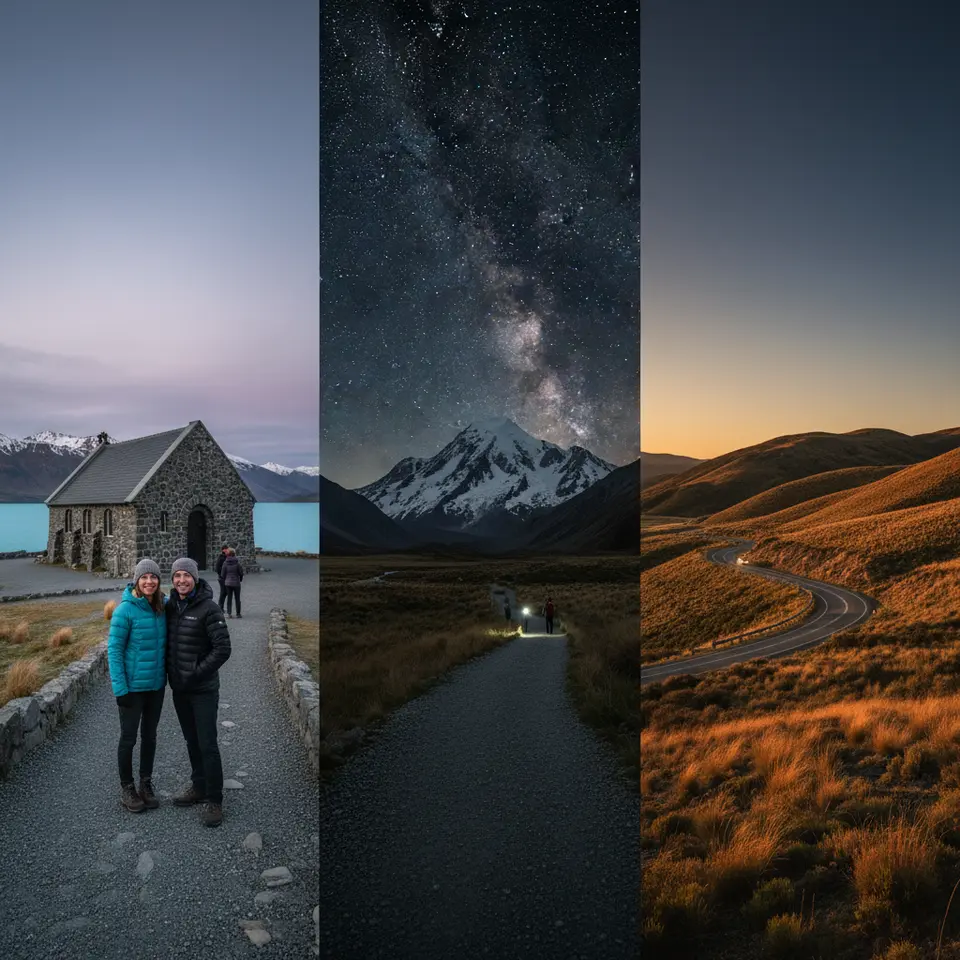
Begin your South Island New Zealand road trip itinerary in Christchurch, picking up your rental vehicle before heading southwest on State Highway 1. Day 1 leads to Lake Tekapo, with a coffee pause in Geraldine and an afternoon at the Church of the Good Shepherd. Stay after dark at Mt John Observatory for a guided stargazing session under some of the world’s clearest skies. On Day 2, drive to Aoraki/Mount Cook National Park and hike the Hooker Valley Track, absorbing close-up views of New Zealand’s highest summit. Nighttime brings glacier-lit panoramas perfect for astrophotography. Day 3 sees you traversing Lindis Pass en route to Wanaka, with a winery stop in Cromwell and a choice of Roy’s Peak or the lakefront town for sunset reflections.
Central Adventure Corridor (Days 4–8)
Cross the Crown Range Road on Day 4, one of the island’s most dramatic high-altitude routes, before descending into Queenstown’s adventure-packed hub. Spend Day 5 sampling adrenaline sports—from bungee jumping to jet boating—and unwind with a lakeside dinner. Day 6 heads south to Te Anau, stopping at the Mirror Lakes and visiting the Te Anau Glowworm Caves at dusk. On Day 7, embark on a Milford Sound cruise through towering fjords; you’ll likely spot seals, dolphins, and birdlife. Return to Te Anau for the night. Day 8 takes you to Invercargill, where you can explore Bill Richardson Transport World and Queens Park, then press on to the Catlins for coastal rainforest encounters.
Southern Coastal Routes and Wilderness (Days 9–14)
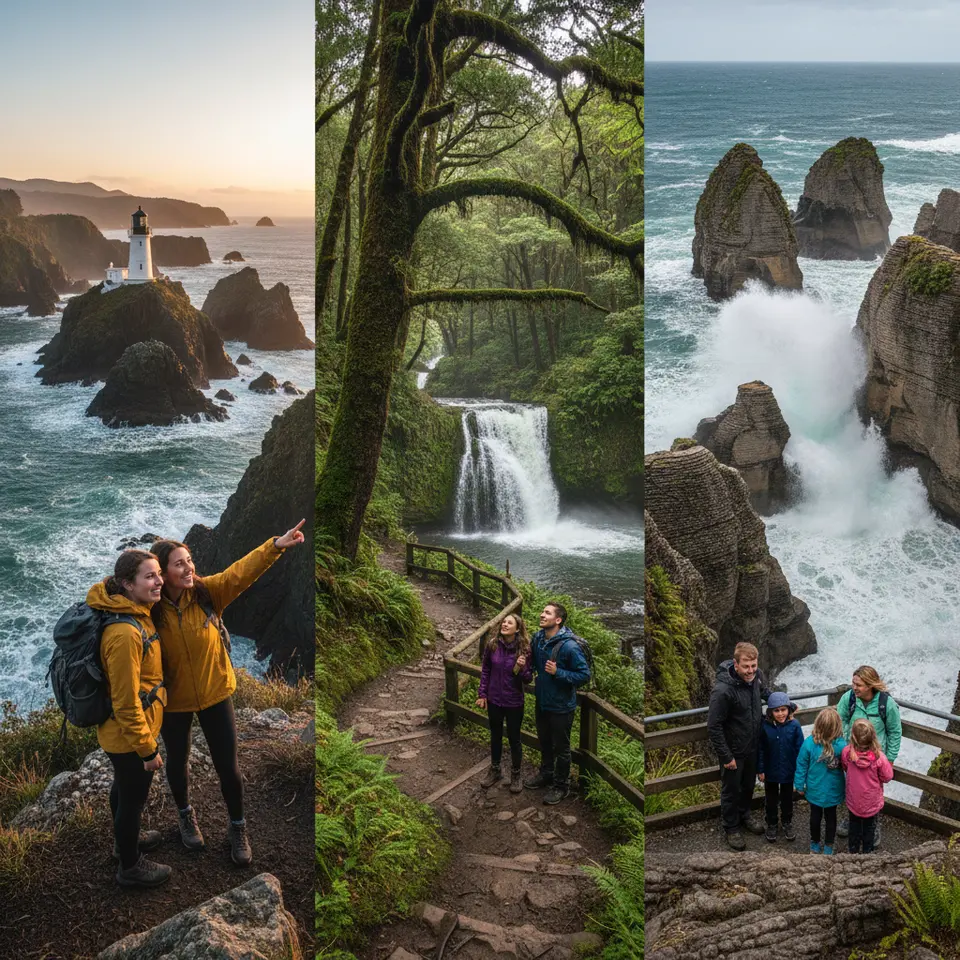
Day 9 navigates the Catlins’ rugged seaboard, including Nugget Point lighthouse, McLean Falls, and fossil-rich Curio Bay. Spend the night at a beachfront lodge or campsite. On Day 10, head north to Dunedin via the Southern Scenic Route. Tour Larnach Castle, stroll Baldwin Street—the world’s steepest—and experience the Royal Albatross Centre at Taiaroa Head. Day 11 sees a transition to the West Coast through Haast Pass, stopping at Blue Pools. Days 12 and 13 center on glacier exploration around Franz Josef and Fox Glacier villages, with options for guided hikes or helicopter-assisted summit tours, followed by a soothing soak in natural hot pools. Finally, Day 14 carries you north via the Pancake Rocks at Punakaiki and through Buller Gorge before returning to Christchurch, where you’ll conclude your South Island New Zealand road trip itinerary and reminisce over a farewell meal in the Garden City.
Frequently Asked Questions
1. What is the best time of year to drive around the South Island?
The ideal window runs from late October to early April, offering mild weather, longer daylight, and fewer risks of snow on high passes. Summer months provide the most reliable conditions, while spring and autumn showcase colorful landscapes with fewer crowds.
2. Do I need a special license or permit to drive in New Zealand?
Tourists can drive with a valid international driving permit alongside their home-country license. No additional permit is needed for standard rental vehicles, but ensure your documentation is always in the vehicle while driving.
3. Are one-lane bridges difficult to navigate?
One-lane bridges are common on the South Island’s rural roads. Approach at low speed, follow posted signs, and yield to oncoming traffic when indicated. Most visitors find them straightforward with a bit of caution.
4. What should I pack for a two-week road trip?
Layered clothing, waterproof outerwear, sturdy hiking boots, and a reliable daypack are must-haves. Don’t forget sunscreen, insect repellent, reusable water bottles, a universal adapter, power banks, and a basic first-aid kit.
Conclusion
This year (2026), embarking on a South Island New Zealand road trip itinerary promises an unmatched blend of alpine grandeur, coastal drama, and authentic cultural encounters. By planning with reliable tools, selecting the right vehicle, and packing strategically, you’ll navigate this diverse island with ease. From the glacial peaks of Aoraki/Mount Cook to the misty fiords of Milford Sound and the wild beaches of the Catlins, every day unfolds new vistas and stories. Use this guide as your roadmap, reference trusted sources like the NZTA and Department of Conservation for the latest updates, and allow for flexibility to chase hidden gems off the beaten path. Safe travels and kia ora on your ultimate 14-day South Island adventure.
