


This guide explores actionable tips for enhancing your daily lifestyle. By focusing on nutrition, movement, mental wellbeing, and meaningful relationships, you can build sustainable habits. Start small, stay consistent, and gradually transform your routine for long-lasting health and happiness.
We all want to improve our daily routines and find more joy in the small moments. Building a better life does not require a massive overnight transformation. Instead, it relies on small, consistent choices that compound over time. Focusing on minor adjustments allows you to build sustainable habits without feeling overwhelmed by sudden, drastic changes.
Our overall wellbeing is closely tied to how we spend our time, what we consume, and how we interact with others. By taking a thoughtful approach to your physical health, mental clarity, and social connections, you can slowly reshape your reality. You will find that establishing a solid foundation of good habits provides a buffer against the inevitable stressors of daily life.
Prioritize Physical Health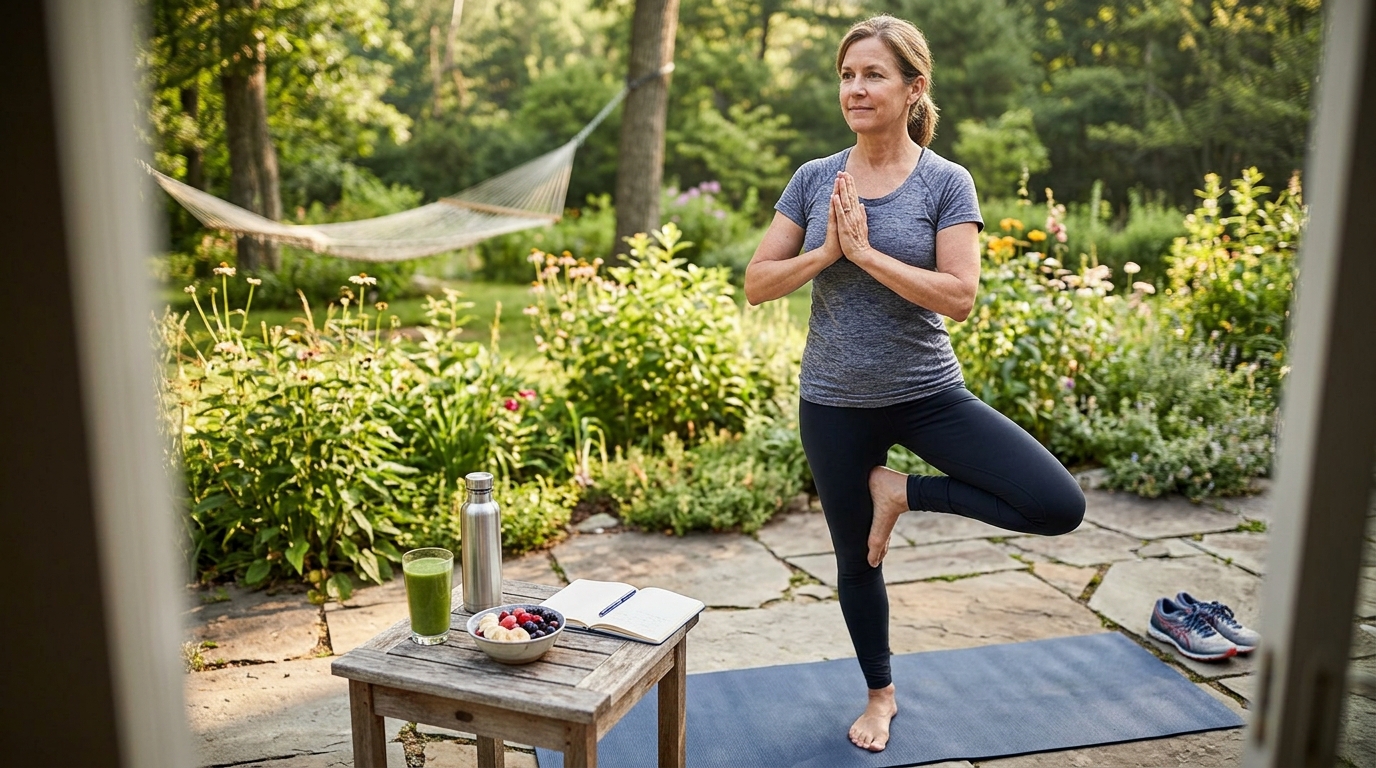
Your physical body is the vessel that carries you through life. Caring for it properly ensures you have the energy and vitality needed to pursue your goals.
Move Your Body Daily
Exercise does not always mean spending hours at the gym. Simply finding ways to move your body every day can drastically improve your cardiovascular health and mood. Taking a brisk thirty-minute walk, doing a short yoga sequence in your living room, or even dancing to your favourite music keeps your joints lubricated and your blood flowing. Find a physical activity you genuinely enjoy so you are more likely to stick with it over the long term.
Nourish with Whole Foods
The food you eat directly impacts your energy levels and cognitive function. Focus on incorporating more whole, unprocessed foods into your meals. Fresh vegetables, fruits, lean proteins, and complex carbohydrates provide the essential vitamins and minerals your body craves. Hydration is equally critical. Keep a water bottle nearby and aim to drink steadily throughout the day to prevent fatigue and support proper digestion.
Cultivate Mental Wellbeing
Mental health requires just as much attention as physical fitness. A calm, focused mind allows you to navigate challenges with grace and resilience.
Practice Mindfulness
Taking a few moments each day to ground yourself can significantly reduce stress. Mindfulness involves paying attention to the present moment without judgment. You might try deep breathing exercises, guided meditation, or simply sitting quietly with your morning coffee. Observing your thoughts rather than reacting to them helps you develop emotional regulation and a deeper sense of inner peace.
Prioritize Restful Sleep
Sleep is the ultimate recovery tool for both the brain and the body. Aim for seven to nine hours of quality sleep each night. Establishing a relaxing bedtime routine tells your brain it is time to wind down. Consider reading a book, taking a warm bath, or practicing light stretching before getting into bed. Keeping your bedroom cool, dark, and free from digital screens will further enhance your sleep quality.
Foster Meaningful Relationships
Human beings are inherently social creatures. The quality of our relationships heavily influences our overall happiness and sense of belonging.
Communicate Openly
Strong connections are built on a foundation of honest and empathetic communication. Make an effort to actively listen when your friends or family members speak. Put away your phone during conversations and offer them your full attention. Sharing your own thoughts and feelings vulnerably also encourages others to do the same, deepening the bond between you.
Set Healthy Boundaries
Protecting your energy is an essential part of maintaining good relationships. Learn to say no to requests or social obligations that drain you. Setting clear boundaries helps prevent resentment and burnout. When you honor your own limits, you can show up more fully for the people and activities that truly matter to you.
Building a Morning Routine That Sets the Tone
A strong morning routine can shape the entire direction of your day. Instead of rushing into work or scrolling your phone immediately, start with intentional habits that energize your mind and body. Simple actions like drinking a glass of water, stretching, journaling, or spending five minutes in silence can improve focus and reduce stress. A structured morning routine helps you feel more in control and less reactive throughout the day. It also creates mental clarity, allowing you to prioritize tasks more effectively. You do not need a complicated schedule—just 2–3 consistent habits practiced daily. Over time, this routine becomes a foundation for discipline, productivity, and emotional balance, setting a positive tone for everything that follows.
Managing Stress in a Busy Lifestyle
Stress is a natural part of life, but unmanaged stress can harm both physical and mental health. Learning how to handle pressure effectively is essential for long-term wellbeing. Simple techniques like deep breathing, short breaks, and physical movement can quickly reduce tension. Time management also plays a key role—prioritizing tasks and avoiding overload prevents unnecessary anxiety. It is important to recognize your stress triggers and respond early instead of ignoring them. Engaging in hobbies, spending time outdoors, or talking to someone you trust can also help release emotional pressure. When stress is managed properly, you gain better focus, improved decision-making, and a more balanced emotional state, allowing you to enjoy life more fully.
Digital Detox for a Healthier Mind
Constant digital exposure can lead to fatigue, distraction, and reduced productivity. A digital detox helps reset your mind by limiting screen time and creating space for real-life experiences. Start by setting boundaries, such as no phone usage during meals or before bedtime. You can also schedule short “offline hours” during the day to disconnect from social media and notifications. This break allows your brain to rest and improves your attention span. Replacing screen time with reading, walking, or creative hobbies can enhance mental clarity and emotional well-being. Over time, reducing digital overload helps you feel more present, focused, and connected to your surroundings.
Building Discipline Through Small Habits
Discipline is not built overnight—it grows through consistent small actions repeated daily. Instead of focusing on large goals, break them into manageable steps. For example, reading just five pages a day or exercising for ten minutes builds momentum over time. These small wins create a sense of achievement and strengthen self-control. The key is consistency rather than intensity. When habits become part of your identity, discipline feels natural instead of forced. Tracking progress and rewarding small milestones can further reinforce positive behavior. Over time, these micro-habits compound into significant lifestyle improvements, helping you achieve long-term success without burnout.
Improving Focus and Productivity Daily
In a world full of distractions, maintaining focus is a powerful skill. Productivity improves when you structure your environment and habits intentionally. Start by eliminating distractions like unnecessary notifications or cluttered workspaces. Use techniques like the Pomodoro method to work in focused intervals followed by short breaks. Prioritize important tasks using a daily to-do list and avoid multitasking, which reduces efficiency. Mental clarity also plays a key role—good sleep, hydration, and breaks improve concentration. When you build a focused routine, you complete tasks faster and with better quality, giving you more time for personal growth and relaxation.
Developing a Positive Mindset
A positive mindset does not mean ignoring problems—it means approaching challenges with resilience and optimism. Your thoughts shape your actions, so learning to reframe negative situations is powerful. Instead of focusing on failure, look for lessons and opportunities for growth. Practicing gratitude daily can shift your perspective toward appreciation rather than stress. Surrounding yourself with supportive and positive people also influences your mindset. Over time, a positive outlook helps reduce anxiety, improves relationships, and increases motivation. It allows you to handle setbacks with confidence and continue moving forward despite difficulties.
Long-Term Lifestyle Consistency Strategies

Sustainable lifestyle change requires consistency rather than short bursts of motivation. Many people start strong but lose momentum over time. To avoid this, set realistic goals and focus on progress, not perfection. Create routines that fit naturally into your daily life instead of forcing extreme changes. Tracking habits helps you stay accountable and see long-term improvement. It is also important to be flexible—life changes, and your routine should adapt accordingly. Celebrating small wins keeps motivation alive and reinforces positive behavior. When consistency becomes your priority, lifestyle improvement becomes a natural and lasting process.
Frequently Asked Questions (FAQ)
1. How long does it take to form a new habit?
Research suggests it takes an average of 66 days for a new behavior to become automatic. However, this timeline varies widely depending on the complexity of the habit and the individual. Consistency and repetition are the most critical factors in making a new behavior stick.
2. What is the easiest way to start eating healthier?
Begin by adding healthy items rather than restricting what you currently eat. Incorporate an extra serving of vegetables into your dinner or swap a sugary snack for a piece of fruit. Small additions naturally crowd out less nutritious options over time.
3. How can I improve my sleep quality?
Create a consistent sleep schedule by going to bed and waking up at the same time every day, even on weekends. Limit caffeine intake in the afternoon, and avoid heavy meals right before bedtime.
4. Why is hydration so important for daily energy?
Water is necessary for nearly every bodily function, including cellular energy production. Even mild dehydration can lead to feelings of sluggishness, brain fog, and headaches. Drinking adequate water keeps your systems running efficiently.
5. What are some simple mindfulness exercises?
Box breathing is highly effective: inhale for four seconds, hold for four seconds, exhale for four seconds, and hold empty for four seconds. Alternatively, you can practice the 5-4-3-2-1 grounding technique by identifying five things you see, four you can touch, three you hear, two you smell, and one you taste.
6. How do I balance work and personal life effectively?
Establish hard cut-off times for work tasks. Turn off email notifications on your phone after hours, and designate specific times for leisure and family. Treating your personal time with the same respect as a business meeting helps maintain this balance.
7. Is it necessary to exercise every single day?
Intense exercise every day is not necessary and can actually lead to overtraining. However, daily movement is highly recommended. You can alternate between vigorous workouts and active recovery days, such as light stretching or casual walking.
8. How can I reduce daily screen time?
Utilize the screen time limits available on most smartphones. Establish “tech-free” zones in your home, such as the dining room and bedroom. Replacing screen time with physical hobbies, like reading or gardening, also helps break the habit of mindless scrolling.
9. What role do relationships play in overall happiness?
Long-term studies consistently show that strong, supportive relationships are the most significant predictor of human happiness and longevity. Having a reliable support system buffers against stress and provides a profound sense of purpose.
10. How do I stay motivated when trying to improve my lifestyle?
Focus on your underlying “why.” Connect your habits to a deeper purpose, such as wanting to have the energy to play with your children or hoping to travel comfortably in retirement. Tracking your progress and celebrating small milestones also keeps momentum high.
Your Path to Lasting Change
Making positive lifestyle changes is a lifelong journey rather than a sprint to the finish line. By focusing on small, intentional habits, you can steadily build a routine that supports your physical health, mental clarity, and emotional fulfillment. Remember to be patient with yourself during setbacks and celebrate the minor victories along the way. Consistency matters far more than perfection. Start by choosing just one or two areas to focus on this week, and watch as those positive choices ripple outward. You hold the power to shape your days, build better habits, and ultimately create a more meaningful life.
