

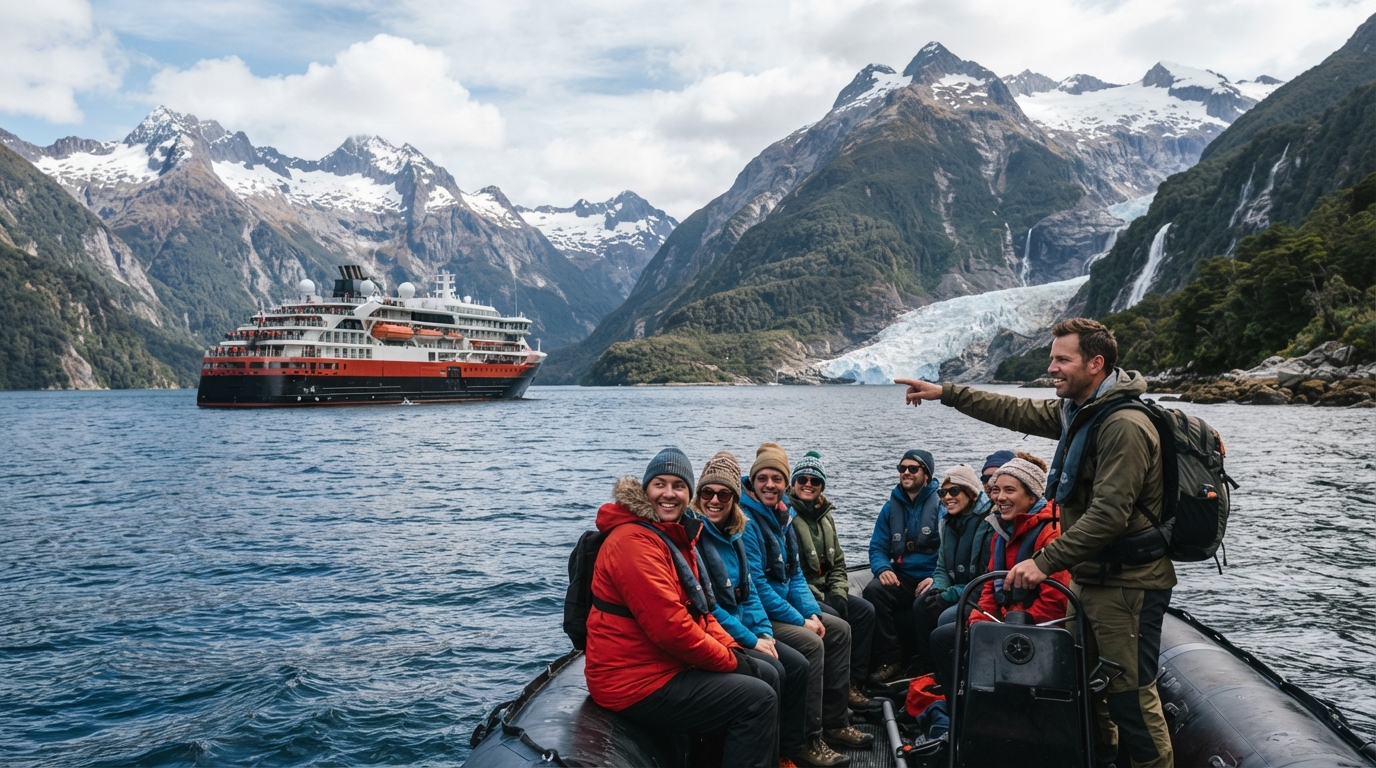
Guide Orbis is your go-to source for expert travel guides covering adventure cruises, hiking routes, family vacations, and destination planning. Whether you’re a first-time traveler or a seasoned explorer, this guide delivers everything you need to plan smarter, travel better, and experience more.
What Is Guide Orbis and Why Expert Travel Guides Matter
Planning a trip used to mean stacking guidebooks on a coffee table, cross-referencing blog posts from 2015, and hoping for the best. The result? Missed experiences, overbooked tourist traps, and itineraries that looked great on paper but fell apart in reality.
That’s exactly the gap that expert travel guides are designed to fill.
Guide Orbis exists to change the way people research, plan, and experience travel. Built on the foundation of expert travel guides, the platform brings together destination knowledge, adventure itineraries, cruise planning resources, and practical vacation tips—all in one place. Every piece of content is designed to help real travelers make confident decisions, not overwhelmed ones.
The travel industry is enormous. According to the United Nations World Tourism Organization (UNWTO), international tourist arrivals reached 1.3 billion in 2023, continuing a strong post-pandemic rebound. That volume means more competition for good experiences, more pressure on popular destinations, and a greater need for expert travel guides that go beyond surface-level advice.
This guide covers everything Guide Orbis offers—from adventure cruises and hiking routes to family trips and sustainable travel planning. Read on to discover how expert travel guides can transform the way you explore the world.
How Expert Travel Guides Differ from Generic Travel Content
There’s no shortage of travel content online. A quick search returns millions of results: listicles, Instagram captions dressed up as guides, and sponsored posts masquerading as genuine recommendations. So what makes expert travel guides different?
The answer comes down to depth, accuracy, and intent.
What Makes a Travel Guide “Expert-Level”?
Expert travel guides are written by people who have actually visited the destinations, hiked the trails, sailed the routes, or lived the experiences they describe. They include practical logistics—permit requirements, seasonal conditions, safety considerations, local customs—not just pretty photos and vague impressions.
At Guide Orbis, expert travel guides follow a consistent framework:
|
Component |
What It Covers |
|---|---|
|
Destination Overview |
Geography, culture, climate, and travel context |
|
Getting There |
Flights, transit, visa requirements, and entry rules |
|
Best Time to Visit |
Seasonal breakdowns and weather patterns |
|
Itinerary Suggestions |
Day-by-day or week-by-week planning |
|
Accommodation |
Budget, mid-range, and luxury options |
|
Food & Local Experiences |
Authentic dining and cultural recommendations |
|
Safety & Health |
Travel advisories, vaccinations, and emergency contacts |
|
Budget Breakdown |
Estimated daily costs with examples |
This level of detail separates expert travel guides from content that exists purely for SEO clicks or affiliate commissions.
Why Trust Matters in Travel Planning
A poorly researched guide can ruin a trip—or worse, put a traveler in danger. Expert travel guides build trust by citing sources, flagging information that changes frequently (like visa policies), and being honest about the downsides of a destination, not just the highlights.
Adventure Cruises: The Complete Planning Resource
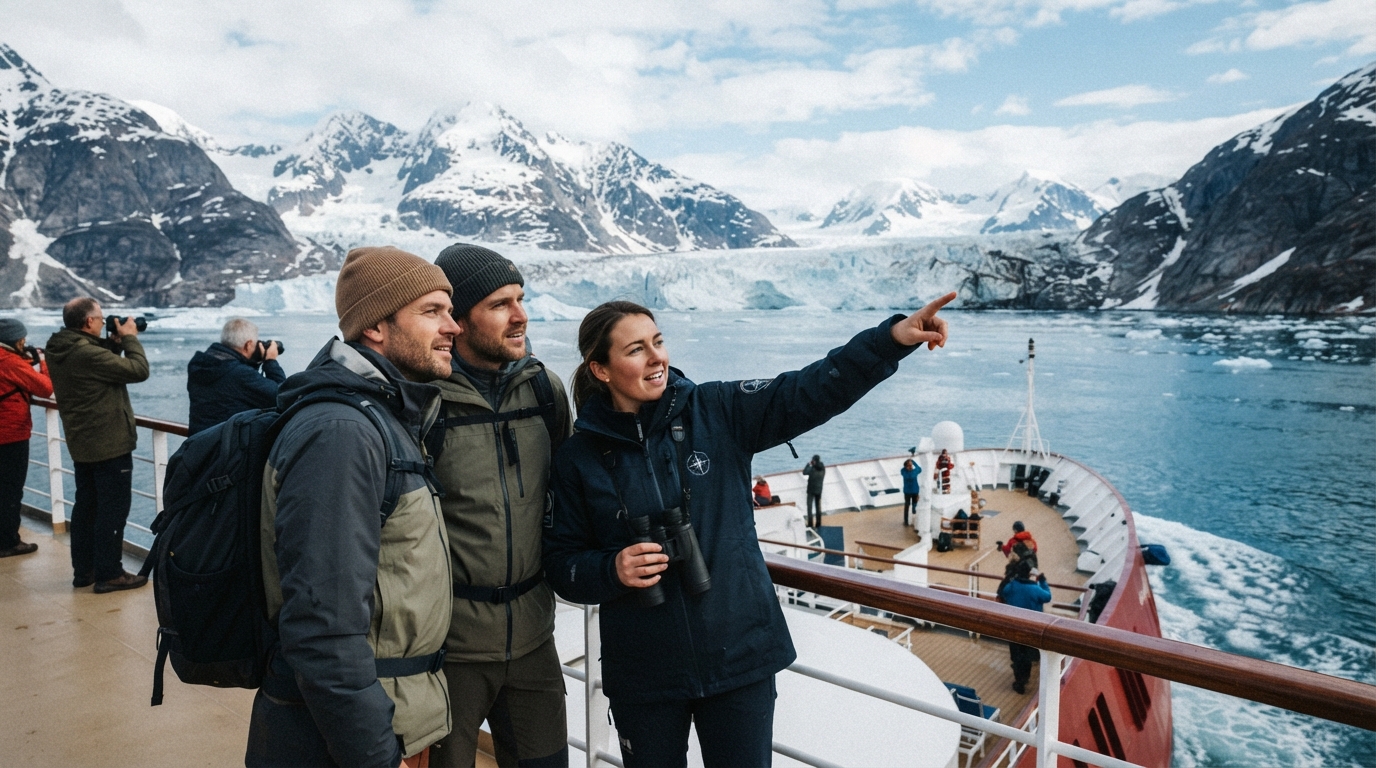
One of the fastest-growing segments in travel is adventure cruising. Unlike traditional luxury cruises focused on buffets and entertainment decks, adventure cruises prioritize experience over comfort—bringing travelers to remote coastlines, polar regions, and island archipelagos that are simply unreachable by any other means.
What Are Adventure Cruises?
Adventure cruises are expedition-style voyages designed for travelers who want to actively engage with their destinations. Think kayaking in Arctic fjords, snorkeling in the Galápagos Islands, or tracking wildlife along the coast of Patagonia. The ships are typically smaller, allowing access to shallow harbors and narrow waterways that large cruise liners cannot enter.
Key characteristics of adventure cruises include:
- Small ship capacity: Usually 12 to 500 passengers
- Expert-led excursions: Naturalists, historians, and local guides on board
- Remote destinations: Polar regions, remote islands, river systems
- Flexible itineraries: Subject to weather and wildlife conditions
- Physical activity: Hiking, kayaking, snorkeling, and wildlife walks
Top Adventure Cruise Destinations in 2024–2025
Expert travel guides consistently highlight these regions as top picks for adventure cruising:
Antarctica and the Sub-Antarctic Islands
Antarctica remains the ultimate bucket-list destination for expedition cruising. The window for travel is narrow—November through March—but the experience is unparalleled. Travelers encounter penguin colonies, leopard seals, towering icebergs, and some of the most dramatic landscapes on earth.
The Galápagos Islands, Ecuador
The Galápagos sit at the intersection of three major ocean currents, creating extraordinary biodiversity. Cruise travel here is tightly regulated by the Ecuadorian government to protect the ecosystem, which means permits and licensed operators are mandatory. That regulation, however, ensures a pristine experience.
The Norwegian Fjords and Svalbard
Svalbard, the Norwegian archipelago within the Arctic Circle, offers polar bear sightings, midnight sun experiences, and glacier trekking. Expert travel guides on this region consistently emphasize the need for experienced operators familiar with Arctic safety protocols.
The Amazon River System, South America
River-based adventure cruises through the Amazon offer immersive nature travel unlike anything else. Small boats navigate deep into primary rainforest, where wildlife sightings—pink river dolphins, giant river otters, anacondas—are common with knowledgeable guides.
How to Choose an Adventure Cruise Operator
Not all operators are equal. When evaluating cruise travel companies, expert travel guides recommend asking:
- Is the operator certified by IAATO (International Association of Antarctica Tour Operators) for polar trips?
- What is the guide-to-passenger ratio on excursions?
- What safety equipment is carried on board?
- Does the itinerary allow for flexibility based on wildlife or weather?
- What is the environmental impact policy of the operator?
Hiking Travel Guides: Planning Routes for Every Level
Hiking sits at the heart of outdoor adventures. From casual nature walks to multi-week technical treks, hiking offers a way to experience landscapes at a pace that air travel or even road trips simply cannot match. Detailed hiking travel guides are among the most-used resources on Guide Orbis—and for good reason.
Why Hiking Guides Require Specialized Detail
Generic destination articles rarely provide what hikers actually need: elevation profiles, permit systems, gear recommendations, water source locations, and emergency contacts. Hiking travel guides require a different level of precision.
Expert travel guides for hiking cover:
- Trail difficulty ratings: Using standardized systems like Shenandoah’s PATC scale or the Yosemite Decimal System
- Distance and elevation: Exact figures, not approximations
- Seasonal access: Which months trails are open, and when snow or heat creates risk
- Permit requirements: Particularly critical for popular trails in National Parks
- Leave No Trace principles: Environmental responsibility for hikers
The World’s Most Sought-After Hiking Routes
The Inca Trail, Peru
The classic route to Machu Picchu covers 43 kilometers over four days, reaching a high point of 4,215 meters at Dead Woman’s Pass. Permits are limited to 500 people per day (including guides and porters), and they frequently sell out months in advance. Expert travel guides on the Inca Trail emphasize altitude acclimatization in Cusco before beginning the trek.
The Tour du Mont Blanc (TMB), Europe
Circling the Mont Blanc massif through France, Italy, and Switzerland, the TMB covers approximately 170 kilometers with 10,000 meters of cumulative elevation gain. It’s achievable for fit walkers without technical climbing skills, typically completed in 10–12 days.
The Overland Track, Tasmania, Australia
Running 65 kilometers through Cradle Mountain–Lake St Clair National Park, the Overland Track is one of the Southern Hemisphere’s premier multi-day hikes. It passes glacial lakes, alpine meadows, and ancient Huon pine forests. A permit and booking system operates from October to May.
The John Muir Trail, California, USA
Stretching 340 kilometers through the Sierra Nevada—including the summit of Mount Whitney, the highest point in the contiguous United States—the John Muir Trail demands careful preparation. Water treatment, bear canister requirements, and wilderness permit applications are essential sections of any expert travel guide covering this route.
Hiking Trip Planning: A Practical Framework
|
Planning Stage |
Key Actions |
|---|---|
|
6–12 months before |
Research route, apply for permits, book guided services if needed |
|
3–6 months before |
Arrange travel insurance, book flights and accommodation at trailheads |
|
1–3 months before |
Train systematically, purchase or test gear |
|
2–4 weeks before |
Check trail conditions, download offline maps, confirm emergency contacts |
|
1 week before |
Check weather forecasts, pack and weigh gear, notify someone of itinerary |
Vacation Tips That Actually Make a Difference
Advice columns on “vacation tips” tend to repeat the same surface-level points: arrive early at airports, book in advance, pack light. Expert travel guides go further—offering strategic, experience-backed advice that addresses real pain points travelers encounter.
Pre-Trip Planning: The Stage Most Travelers Rush
The quality of any trip is largely determined before departure. Rushing the research phase leads to overpacked itineraries, poor accommodation choices, and missed opportunities to experience what makes a destination genuinely special.
Build in Unscheduled Time
Experienced travelers consistently report that their best memories come from unplanned moments—a conversation with a local, a market stumbled upon by chance, a trail not in the guidebook. Expert travel guides recommend reserving at least 20–30% of each day as unscheduled time.
Research Entry Requirements Early
Visa policies, vaccination requirements, and entry documentation change frequently. The U.S. State Department, IATA Travel Centre, and individual embassy websites are the most reliable sources. Checking these 3–6 months out—rather than 2 weeks before departure—gives time to gather paperwork without stress.
Family Travel: Planning for Multiple Needs
Family travel involves a complexity that solo or couple travel doesn’t. Expert travel guides for family trips account for the needs of children at different developmental stages, parents managing logistics, and the reality that pacing matters more than coverage.
Age-Appropriate Destination Selection
|
Child’s Age |
Travel Considerations |
Recommended Destination Types |
|---|---|---|
|
0–2 years |
Minimal disruption to routine, familiar foods |
Beach resorts, domestic destinations |
|
3–6 years |
Short attention spans, wonder at new experiences |
Wildlife parks, theme parks, city breaks |
|
7–12 years |
Higher engagement with history and nature |
Cultural destinations, national parks, light hiking |
|
13–17 years |
Independence important, social media access |
City breaks, adventure travel, international destinations |
Managing Jet Lag in Children
Jet lag affects children more intensely than adults. Expert travel guides on family travel recommend adjusting sleep schedules 3–5 days before departure, prioritizing outdoor daylight exposure on arrival, and avoiding scheduling demanding activities on the first full day.
Sustainable Travel Advice: Practical, Not Preachy
Sustainable travel planning has moved from niche concern to mainstream priority. The pressure on popular travel destinations—overcrowding at landmarks, erosion of hiking trails, overtourism in coastal towns—is well-documented. Travelers increasingly want practical guidance, not just environmental messaging.
Actionable travel advice for reducing impact includes:
- Choose shoulder season travel: Reduces pressure on peak-season infrastructure and often results in lower prices and fewer crowds
- Stay in locally owned accommodation: A greater proportion of spending stays in the local economy compared to international hotel chains
- Use public transportation: Countries like Japan, Switzerland, and Germany have extraordinary rail networks that are often faster than flying between cities
- Offset carbon emissions with certified programs: Gold Standard and Verified Carbon Standard are the most credible certification bodies
Travel Destinations Worth Putting on Your Radar
Beyond the well-trodden classics, expert travel guides highlight destinations that offer exceptional experiences without the overcrowding of the world’s most marketed locations.
Emerging Destinations for 2025
Georgia (the Country)
Positioned at the crossroads of Europe and Asia, Georgia offers ancient winespheres, dramatic Caucasus mountain scenery, and a cuisine that food writers consistently rate among the world’s most underrated. Tbilisi has developed a vibrant arts and restaurant scene, while the Svaneti region in the mountains offers serious outdoor adventures for trekkers.
Oman
Oman combines dramatic desert and mountain landscapes with a culture of genuine hospitality. Unlike its Gulf neighbors, Oman has developed tourism at a considered pace, preserving the authenticity of experiences in places like the ancient city of Nizwa, the wadis of the Hajar Mountains, and the fjord-like coastline of the Musandam Peninsula.
Faroe Islands, Denmark
Between Norway and Iceland, the Faroe Islands have attracted a growing number of travelers seeking dramatic nature travel away from tourist infrastructure. The island chain introduced a “Closed for Maintenance” initiative in 2019, temporarily closing popular sites to allow volunteer-led conservation work—a model now cited internationally as best practice in sustainable tourism.
Rwanda
Known internationally for mountain gorilla trekking in Volcanoes National Park, Rwanda has developed its tourism infrastructure significantly. Permit prices for gorilla trekking are deliberately high ($1,500 USD as of 2024), with the revenue directly funding conservation and community programs—a model that expert travel guides point to as one of the most effective in Africa.
Travel Planning Tools and Resources
The right tools make expert-level travel planning accessible to everyone, not just those with professional experience or unlimited budgets.
Essential Digital Tools for Trip Planning
|
Tool |
Category |
Best Used For |
|---|---|---|
|
Google Flights |
Flight search |
Fare tracking and flexible date searches |
|
Rome2Rio |
Multi-modal transport |
Comparing transport options between destinations |
|
Maps.me / Gaia GPS |
Offline mapping |
Hiking and navigation without data |
|
iOverlander |
Overlanding & camping |
Campsite and road condition reports |
|
XE Currency |
Currency conversion |
Real-time exchange rate tracking |
|
TripIt |
Itinerary management |
Consolidating bookings in one place |
|
Airalo |
eSIM data |
Affordable international data plans |
Building a Travel Budget: A Realistic Framework
One of the most common sources of travel stress is a budget that doesn’t reflect reality. Expert travel guides recommend building budgets around three categories:
- Fixed costs: Flights, accommodation, tours, and transport bookings made in advance
- Variable daily costs: Food, local transport, entrance fees, and incidentals
- Emergency buffer: A minimum of 15–20% of total trip cost set aside for the unexpected
For a 10-day trip to Southeast Asia, a realistic daily budget (excluding flights) might range from $40–$60 USD for budget travelers, $80–$120 for mid-range, and $200+ for premium experiences.
How Guide Orbis Approaches Expert Travel Guides
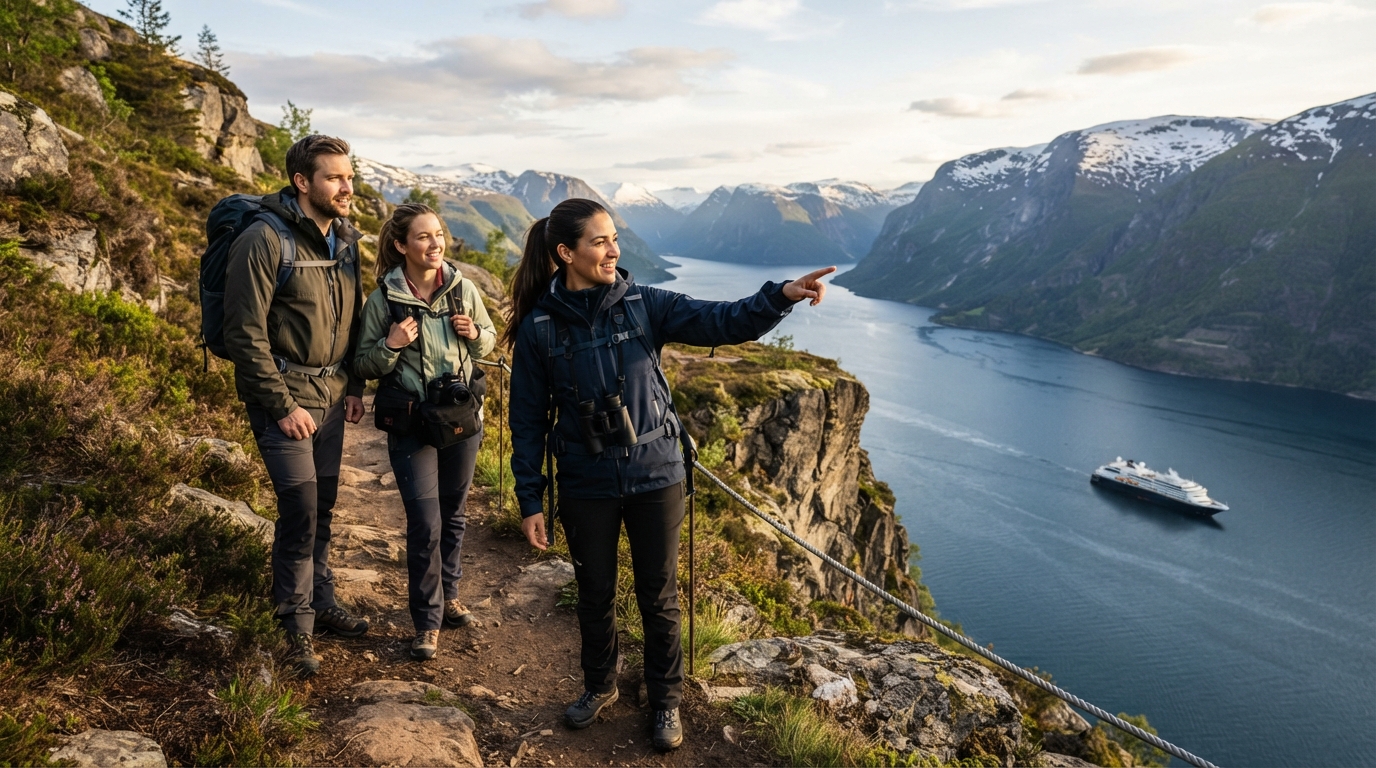
Guide Orbis organizes its expert travel guides into clearly defined categories, making it easier for travelers to find content relevant to their specific trip type, experience level, and interests.
The platform’s content model is built on a few core principles:
Specificity over generality: A guide to hiking in Patagonia should be specific enough that a reader can use it to actually plan the trip—not just feel inspired.
Regular updates: Travel information has a short shelf life. Visa rules, park permit systems, and infrastructure change constantly. Expert travel guides on Guide Orbis are reviewed and updated on a rolling basis.
Multiple traveler types: Solo travelers, couples, families, and group travelers have different needs. Where relevant, expert travel guides segment advice by traveler type rather than offering one-size-fits-all recommendations.
Honest assessments: Every destination has drawbacks. Crowded trails, difficult weather windows, logistical challenges, and cost barriers are addressed directly rather than glossed over.
Final Thoughts: Travel Better with Expert Travel Guides
The difference between a good trip and a great one often comes down to preparation. Not over-preparation—not every hour scheduled—but the right knowledge at the right time. Knowing when to book, what to expect, and how to handle the unexpected transforms travel from stressful logistics into genuine discovery.
Expert travel guides are the foundation of that preparation. Guide Orbis is built to provide exactly that: authoritative, specific, and honest content for every kind of traveler, every kind of trip, and every stage of the planning process. Bookmark it, use it, and come back to it every time a new destination sparks your curiosity.
Frequently Asked Questions
1. What are expert travel guides and why are they useful for trip planning?
Expert travel guides are detailed, experience-backed resources that cover destination logistics, itinerary planning, safety considerations, and local knowledge. They differ from generic travel content by providing specific, actionable information—such as permit requirements, seasonal conditions, and budget breakdowns—that travelers can apply directly to their plans.
2. What types of adventure cruises are available for first-time expedition travelers?
First-time expedition travelers typically start with adventure cruises to the Norwegian fjords, Iceland, or the Galápagos Islands. These itineraries are well-structured, operate on reliable weather windows, and include expert-led shore excursions. Polar cruises to Antarctica are also available for beginners, though they require a higher fitness level and longer commitment.
3. How far in advance should I book hiking travel permits for popular trails?
For high-demand trails like the Inca Trail, permits can sell out 4–6 months in advance. The John Muir Trail wilderness permit lottery opens in February for the following summer. In general, expert travel guides recommend beginning the permit application process at least 3–6 months before your intended departure date.
4. What are the most important vacation tips for first-time international travelers?
The most impactful vacation tips for first-time international travelers are: apply for visas early, purchase comprehensive travel insurance, carry physical and digital copies of important documents, notify your bank of travel plans, and research local customs and tipping etiquette before arrival.
5. How do I find reliable travel destinations that aren’t overcrowded?
Consulting expert travel guides focused on emerging or shoulder-season destinations is the most effective approach. Countries like Georgia, Oman, and Rwanda offer world-class experiences with far less competition for access than mainstream destinations. Traveling outside peak months also significantly reduces crowding at even the most popular sites.
6. What should family travel planning include that solo travel planning doesn’t?
Family travel planning requires additional consideration of accommodation with appropriate room configurations, age-appropriate activity pacing, dietary flexibility for children, proximity to medical facilities, and travel insurance that covers minors. Expert travel guides for family trips also address jet lag management and keeping younger travelers engaged during long transit days.
7. What is the best way to plan nature travel responsibly?
Responsible nature travel starts with choosing operators and accommodations certified by recognized sustainability bodies. It also includes following Leave No Trace principles on hiking trails, avoiding single-use plastics, staying on designated paths in protected areas, and supporting locally owned businesses. Expert travel guides in this space identify operators with verified environmental commitments.
8. How does cruise travel differ from land-based travel in terms of planning requirements?
Cruise travel involves fewer daily logistics decisions—accommodation and main meals are bundled—but requires more advance research into port itineraries, shore excursion quality, and operator credentials. For adventure cruises specifically, gear recommendations, physical fitness requirements, and wildlife encounter guidelines are important components of the planning process.
9. What are the most reliable sources for up-to-date travel advice on entry requirements?
The most reliable sources for travel advice on entry requirements are government-issued travel advisories (such as the U.S. State Department, UK Foreign Commonwealth & Development Office, or Australian DFAT), IATA’s Travel Centre for airline-specific documentation requirements, and the destination country’s official immigration authority website.
10. Can expert travel guides help with outdoor adventures beyond hiking and cruising?
Yes. Expert travel guides on platforms like Guide Orbis cover a wide range of outdoor adventures, including cycling routes, multi-day kayaking trips, overland 4WD expeditions, wildlife safaris, and ski touring. Each format requires different logistics, gear, and safety planning—all of which are addressed in activity-specific guide content.
