

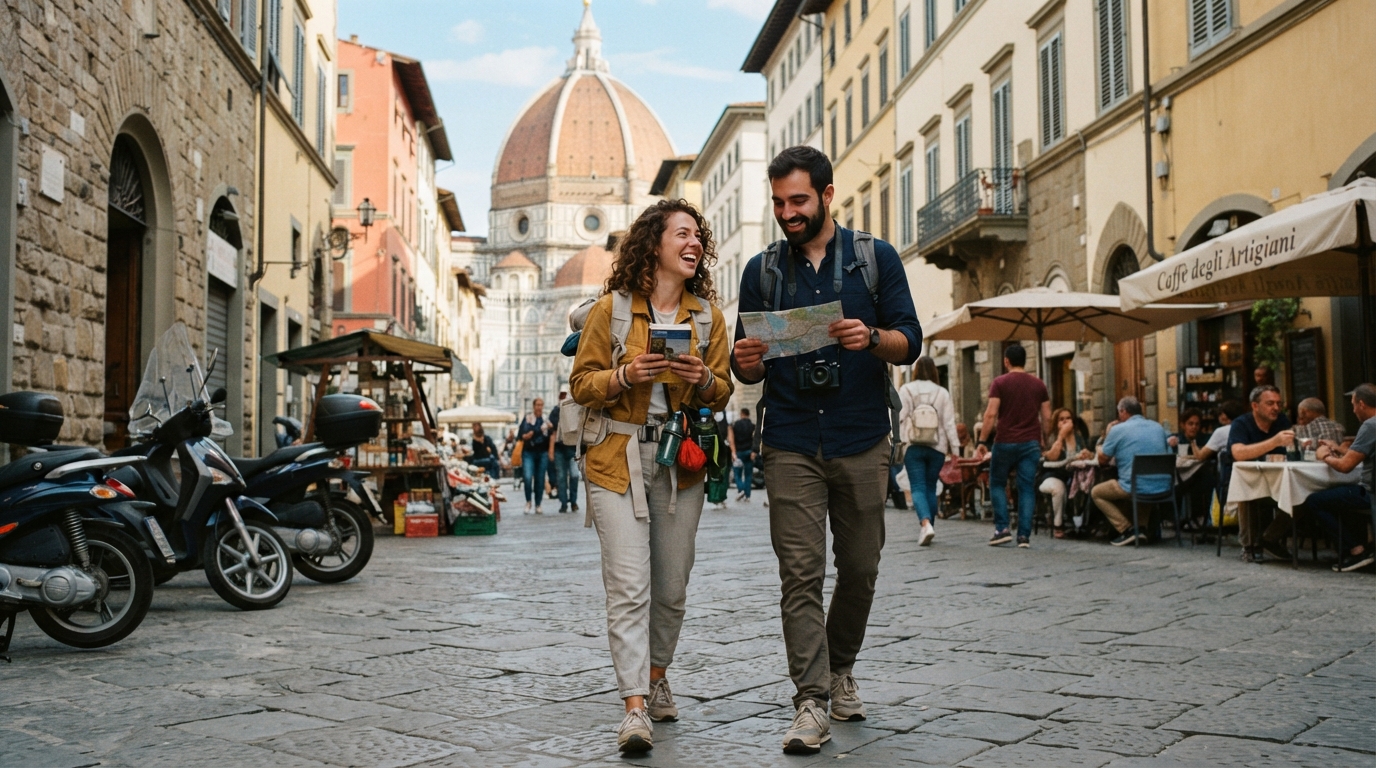
This guide shows how to plan smarter trips, cut wasteful spending, and build Affordable and Stress Free Adventures with practical decisions that protect comfort, flexibility, and fun.
Affordable and Stress Free Adventures are not about limiting joy; they are about making better choices. When you understand where money disappears, you can protect the parts of travel that matter most: comfort, freedom, and memorable experiences. A smart plan helps you avoid panic spending and turn every step of the trip into a more thoughtful decision. Affordable and Stress Free Adventures begin long before departure, because the best savings usually come from planning, comparing, and staying flexible. If you want a journey that feels relaxed instead of rushed, this guide will help you build one from the ground up.
The strongest travelers are not always the ones with the biggest budgets. They are the ones who know how to design a trip around priorities. Affordable and Stress Free Adventures become much easier when you treat travel like a system instead of a series of random purchases. Every choice, from destination to transportation to lodging, can either save money or create stress. With the right habits, Affordable and Stress Free Adventures become repeatable, practical, and enjoyable. That is the goal of this guide: to help you spend less while getting more value, more comfort, and more confidence from every trip.
Why Budget Travel Works Better When You Think Like a Planner
Smart travel starts with intention. Budget travel tips work best when you stop thinking about “cheap” and start thinking about “efficient.” Efficiency means paying for what improves the trip and skipping what does not. That mindset reduces regret, because you are no longer spending reactively. Affordable and Stress Free Adventures are easier to create when you focus on value per dollar instead of headline price alone.
Many travelers overpay because they buy convenience too quickly. They choose the first flight, the first hotel, or the first tour that looks acceptable. A better approach is to compare options calmly and ask what each purchase actually gives you. Smart budget travel is not restrictive; it is selective. You still get the trip you want, but you remove the waste that makes travel feel heavier than it should.
Start With a Realistic Trip Budget
A trip budget is not a punishment. It is a tool that creates freedom. Cheap travel planning becomes much simpler when you set limits before you start booking. Decide how much you can spend on transport, lodging, food, activities, and backup costs. That helps you avoid surprises later. Affordable and Stress Free Adventures often begin with a number that feels honest rather than optimistic.
The best budgets include a safety buffer. Even a small emergency cushion can protect the rest of your trip from stress. Think about currency exchange, city taxes, airport transfers, and small purchases that appear harmless but add up quickly. How to save money while traveling often starts with writing down every predictable expense before the trip begins. Once you can see the numbers clearly, you can make better tradeoffs.
Simple Budget Categories
| Category | What to Include | Why It Matters |
|---|---|---|
| Transportation | Flights, trains, buses, taxis, fuel | This is often the biggest early cost |
| Lodging | Hotels, hostels, rentals, taxes | Comfort and location affect total value |
| Food | Meals, snacks, drinks, coffee | Small purchases add up fast |
| Activities | Tours, tickets, attractions | Helps prevent overspending on extras |
| Buffer | Emergencies, delays, surprises | Keeps the trip calm when plans change |
Choose the Right Destination for Your Wallet

Destination choice can make or break a budget. Budget-friendly vacation ideas usually start with places where your money stretches further. That does not always mean remote locations. Sometimes it means cities with affordable public transport, low-cost food, and free attractions. Low-cost travel destinations are often easier to enjoy because the day-to-day expenses stay manageable.
Travel smarter and spend less by matching the destination to your budget rather than forcing your budget to fit the destination. A popular place is not always an expensive place, but timing matters. Shoulder season, local holidays, and demand patterns can shift costs dramatically. If you are open-minded about when you go, you can unlock much better value without changing the quality of the experience.
Use Timing to Your Advantage
Timing is one of the most powerful budget travel hacks. A trip taken one week earlier or later can cost significantly less. Flights, hotels, and tours often move with demand, which means a flexible traveler has real leverage. Money-saving travel tips usually work best when you can avoid peak congestion and peak pricing at the same time.
There is also a psychological advantage to traveling at off-peak times. Fewer crowds mean shorter lines, calmer attractions, and a slower pace. That makes travel feel less tiring and more rewarding. If you want Travel on a budget without sacrificing comfort, timing is a major part of the formula. Good timing can reduce both costs and stress, which is exactly what most travelers want.
Book Transportation with a Value Mindset
Transportation is often the first place where people overspend. Best budget travel strategies usually involve comparing all realistic options before you commit. A low airfare is only a win if the hidden costs stay under control. Checked bags, seat selection, airport transfers, and inconvenient schedules can make a “cheap” trip expensive in practice.
Affordable vacation planning should look at total travel cost, not just the ticket price. Sometimes a slightly more expensive flight is better if it arrives at a reasonable hour or avoids an overnight transfer. The same logic applies to trains, buses, rideshares, and rental cars. The goal is not to choose the cheapest option every time. The goal is to choose the option that supports Affordable and Stress Free Adventures with the least friction.
Pick Lodging That Supports the Trip
Where you stay affects both your budget and your mood. A low-cost room is not a good deal if it leaves you exhausted, unsafe, or too far from the places you want to visit. Budget travel checklist planning should always include location, transport access, cleanliness, and cancellation rules. A well-located stay can save money on daily transport and time.
Travel on a budget without sacrificing comfort becomes much easier when you understand which features matter most. A traveler who sleeps well and gets around easily will often enjoy the trip more than someone who saves a little on the room but loses energy every day. Affordable and Stress Free Adventures are built on practical comfort, not luxury. The right lodging should simplify your trip, not complicate it.
Lodging Questions to Ask Before Booking
Is the location walkable or well-connected?
A central stay often reduces transport costs and daily friction.
Are breakfast, kitchen access, or laundry included?
These extras can reduce food and service expenses.
What are the cancellation terms?
Flexible policies can save money if plans shift.
Eat Well Without Overspending
Food is one of the easiest categories to control. You do not need expensive restaurants to enjoy a destination. In fact, local markets, bakeries, street food, and neighborhood cafés often provide the best mix of flavor and value. How to save money while traveling becomes much simpler when you stop treating every meal like a dining event.
The smartest travelers build food spending around a few anchor meals and several flexible, inexpensive meals. That approach keeps the experience enjoyable while preventing unnecessary waste. If you are asking how to make Affordable and Stress Free Adventures feel richer without raising costs, food strategy is one of the easiest places to win. A good breakfast, a simple lunch, and one memorable dinner can beat three expensive meals that all feel forgettable.
Use Local Transit and Walk More
Daily movement shapes both cost and experience. Taxis and private rides are convenient, but they can quietly consume a budget. Public transport, walking, and cycling can keep your expenses down while helping you see the city more naturally. Ways to reduce travel expenses often begin with the decision to move like a local instead of like a tourist in a hurry.
The bonus is that walking and transit can improve the rhythm of the trip. You notice neighborhoods, small shops, and hidden corners that are easy to miss from inside a car. Cheap travel planning becomes more enjoyable when transportation is part of the adventure rather than just an obligation. Affordable and Stress Free Adventures often feel more memorable when the journey between attractions is itself part of the experience.
Plan Activities with Priorities First
Not every activity deserves a ticket. A strong travel plan separates must-do experiences from nice-to-have extras. That is where an Affordable travel guide approach becomes especially useful: you protect the experiences that matter most and remove the ones that do not add much value. This prevents a common trap where travelers spend heavily but still feel unsatisfied.
Think in layers. Choose one or two paid experiences that truly fit your interests, then fill the rest of the itinerary with free or low-cost options. Public parks, museums with free entry days, historic neighborhoods, scenic viewpoints, and cultural festivals can offer huge value. Smart budget travel works best when the trip still feels rich, even if the spending stays modest.
Build a Flexible Daily Rhythm
A rigid itinerary can create hidden costs. When every hour is packed, you often pay more for rushed transport, last-minute food, and unnecessary convenience purchases. Affordable and Stress Free Adventures work better when the day has breathing room. A flexible rhythm gives you time to rest, compare options, and make better choices.
The healthiest travel schedule is one that mixes structure with space. You can still book important activities in advance, but leave room for discovery. That flexibility can lead to better food choices, lower transport costs, and fewer emotional spending decisions. Travel smarter and spend less by giving yourself time to think before you buy. Calm decisions usually cost less than rushed ones.
Keep Comfort High Without Raising Costs Too Much
Comfort does not have to be expensive. It often comes from small things: a good pillow, a restful location, reliable sleep, enough water, and less rushing. Affordable and Stress Free Adventures depend on physical ease as much as financial discipline. If the trip drains your energy, the savings may not feel worth it.
One of the most important best budget travel strategies is deciding where comfort matters most. Some travelers value a quiet room more than a fancy meal. Others care more about central location than hotel extras. There is no single right answer. The best trip is the one that balances cost with personal comfort in a way that feels sustainable.
Pack to Avoid Unnecessary Spending
Packing affects your wallet more than most travelers realize. If you forget basics, you often end up buying duplicates at higher prices. A good budget travel checklist helps you avoid these avoidable costs. It also reduces stress because you know you have covered the practical essentials before leaving home.
Focus on items that prevent repeat expenses: reusable bottles, chargers, adapters, toiletries, medication, weather-appropriate clothes, and any comfort items that matter to you. Budget travel hacks are not always dramatic; sometimes they are simply about not needing to spend again on things you already own. The more complete your packing is, the fewer surprise purchases you will make.
Use a Simple Pre-Trip Checklist
A checklist keeps your planning consistent. It turns vague intentions into concrete actions. Affordable and Stress Free Adventures are easier to achieve when you review the same core items every time you travel. This avoids last-minute mistakes that can cost money and peace of mind.
Here is a simple framework you can use before any trip:
- Confirm transport and baggage rules
- Review lodging location and cancellation terms
- Set a daily spending target
- Save offline maps and important documents
- Pack essentials that prevent repeat purchases
- Identify free or low-cost attractions
- Keep one emergency payment method ready
This approach is useful because it reduces decision fatigue. When the basics are covered early, you can focus on the fun parts of travel rather than reacting to problems.
Sample Daily Budget Framework
| Spending Area | Low-Budget Range | Medium-Budget Range | Notes |
| Food | Minimal café or market meals | Mix of casual and one nice meal | Adjust by destination |
| Local Transit | Mostly walking or public transit | Transit plus occasional ride | Plan routes in advance |
| Activities | Free and low-cost | One paid experience | Reserve high-value items |
| Snacks and Drinks | Packed or local options | Some convenience buys | Easy to overspend here |
| Buffer | Small reserve | Larger reserve | Protects against delays |
This table is not meant to be strict. It is a planning tool that helps you see where money flows during a trip. Budget-friendly vacation ideas become more realistic when you can compare your daily habits against a simple spending framework. Even a rough plan can keep you from drifting into avoidable expenses.
How to Save Money Without Feeling Deprived

The biggest mistake in budget travel is focusing only on what you are not spending. That mindset makes the trip feel like a loss. Instead, think about tradeoffs. Every choice should increase value. When you spend less on transport, you might spend more on one special meal. When you book simpler lodging, you might afford a better location. This balance is what makes Affordable and Stress Free Adventures sustainable.
How to save money while traveling also depends on emotional discipline. Many unnecessary purchases happen because travelers are tired, hungry, or impatient. Recognize those moments and pause before spending. If you make decisions when you are calm, you will usually make better ones. Travel on a budget without sacrificing comfort is absolutely possible when you spend with purpose instead of pressure.
Common Mistakes to Avoid
A lot of travel stress comes from predictable mistakes. The first is booking too early without checking alternatives. The second is ignoring hidden fees. The third is choosing convenience so often that the budget disappears before the trip even begins. Smart budget travel means learning from these patterns before they repeat.
Another common mistake is trying to do too much. Overscheduled trips usually cost more and feel less satisfying. They can also create a false sense that travel only counts if it is packed with paid activities. In reality, the most satisfying journeys often leave room for slower moments. Affordable and Stress Free Adventures are built on balance, not on nonstop spending.
A Better Way to Think About Travel Value
Value is not the same as price. A cheap trip can still be wasteful if it is stressful, tiring, or poorly organized. A more expensive trip can still be a great value if it is smooth, memorable, and well designed. Best budget travel strategies always look at total experience, not just the lowest number on a receipt.
That is why planning matters so much. If you can use cheap travel planning to reduce waste, you preserve money for the experiences that matter. If you combine that with realistic timing, thoughtful lodging, and manageable daily spending, you create a trip that feels both comfortable and affordable. Travel smarter and spend less is not just a slogan. It is a practical method for better adventures.
Conclusion
Creating Affordable and Stress Free Adventures is not about spending the least amount of money—it is about making smarter travel decisions. By planning your budget carefully, choosing cost-effective destinations, booking transportation wisely, and selecting comfortable accommodations, you can enjoy unforgettable experiences without unnecessary expenses. Small habits like using public transportation, packing efficiently, and prioritizing high-value activities make every trip more enjoyable and affordable. With the right strategies, Affordable and Stress Free Adventures become achievable for every traveler, regardless of budget. Start applying these practical tips today, travel with confidence, spend wisely, and create memorable journeys that deliver maximum value without sacrificing comfort or peace of mind.
FAQs
1. What is the best first step for budget travel?
Start with a realistic budget and a destination that fits it. That makes every later choice easier and reduces surprise costs.
2. How do I keep comfort while traveling cheaply?
Focus on the essentials that affect rest and energy: good location, reliable sleep, and simple convenience. Comfort does not have to be expensive.
3. Are cheap flights always the best deal?
No. Always compare baggage fees, transfer costs, and schedule convenience. The lowest ticket price is not always the lowest total cost.
4. What are the easiest ways to save on food?
Mix local markets, simple cafés, and one or two special meals. This keeps the trip enjoyable while controlling daily spending.
5. How can I avoid hidden travel expenses?
Read the fine print on transport and lodging, and keep a small buffer in your budget for taxes, fees, and small surprises.
6. Which destinations are best for low budgets?
Places with affordable public transport, inexpensive local food, and strong free attractions usually offer better value for budget travelers.
7. How far in advance should I plan?
Plan early enough to compare options, but stay flexible if your schedule allows it. Timing can make a major difference in total cost.
8. What should go on a budget travel checklist?
Transport details, lodging rules, daily spending goals, essential packing, offline maps, and a backup payment method should all be included.
9. Can I still enjoy luxury touches on a budget?
Yes. Choose one or two meaningful upgrades instead of trying to make every part of the trip premium. That keeps the trip balanced.
10. How do I make travel less stressful overall?
Build space into the itinerary, avoid rushed decisions, and keep a small emergency buffer. Calm planning is one of the strongest forms of savings.
