


This Travel Guide helps travellers plan smarter trips with step-by-step advice on destinations, budgeting, packing, safety, visas, and itineraries. It simplifies travel decisions, reduces costs, improves comfort, and ensures better experiences for solo, family, and adventure journeys worldwide.
A strong Travel Guide does more than list a few destinations or suggest what to pack. It helps travellers make better decisions before, during, and after a trip. It shows how to turn vague ideas into an organized plan, how to avoid common mistakes, and how to enjoy travel with more confidence. Whether someone is planning a weekend city break, a long international holiday, or a backpacking adventure, a well-structured travel guide can save time, reduce stress, and improve the overall experience.
Travel has changed a lot in recent years. People now use digital maps, booking platforms, translation tools, mobile wallets, airline apps, and review websites to plan almost every part of a journey. That makes travel more accessible, but it also makes planning more complex. There are more choices, more pricing variations, more safety considerations, and more ways to get overwhelmed. A practical travel planning guide helps cut through that noise and gives readers a clear path forward.
The goal is simple: help travellers plan better and travel smarter. Instead of guessing, they can follow a step-by-step system. Instead of overspending, they can use a budget travel tips framework. Instead of feeling lost in a new place, they can use safe travel tips and local transport strategies. Instead of packing too much, they can use a better checklist and a practical packing system. In short, this guide is meant to be the foundation of a strong travel content cluster and a useful evergreen resource for readers at every stage of travel experience.
What Is a Travel Guide?
A Travel Guide is a structured resource that helps people plan, organize, and enjoy travel more effectively. It can be a blog post, a destination handbook, a digital itinerary planner, or a complete website section devoted to travel planning. At its core, a travel guide exists to answer the questions travellers ask most often: Where should I go? How much will it cost? What should I pack? How do I stay safe? How do I move around once I arrive? What should I expect from local culture? How do I make the most of the journey without wasting money or time?
A useful travel guide combines practical information with real-world advice. It does not just talk about beautiful places. It explains how to get there, when to go, what the weather is like, how to book transport and accommodation, how to build a travel itinerary, and how to avoid common mistakes. It also helps readers compare destinations, estimate travel budgets, and decide whether a trip is best suited for solo travel, family travel, luxury travel, adventure travel, or backpacking.
For search engines, “Travel Guide” is a powerful primary keyword because it covers a broad topic with high user intent. For readers, it is equally powerful because it offers a starting point. A person who searches for a travel guide is often ready to plan something. They need structure, not vague inspiration. They need decision-making help, not only destination photos. That is why a strong pillar page should be broad enough to cover the topic fully but detailed enough to help people move from interest to action.
In practical terms, a travel guide should help readers understand the following:
- How to plan a trip from start to finish
- How to set a realistic budget
- How to choose the best travel destinations for their goals
- How to book flights and hotels wisely
- How to prepare a travel checklist
- How to pack efficiently
- How to stay safe during travel
- How to manage transport, culture, and itinerary planning
When all of those pieces come together, the result is a guide that is not only informative but also genuinely useful. That usefulness is what makes the content valuable to readers and strong for SEO.
Why Travel Planning Matters
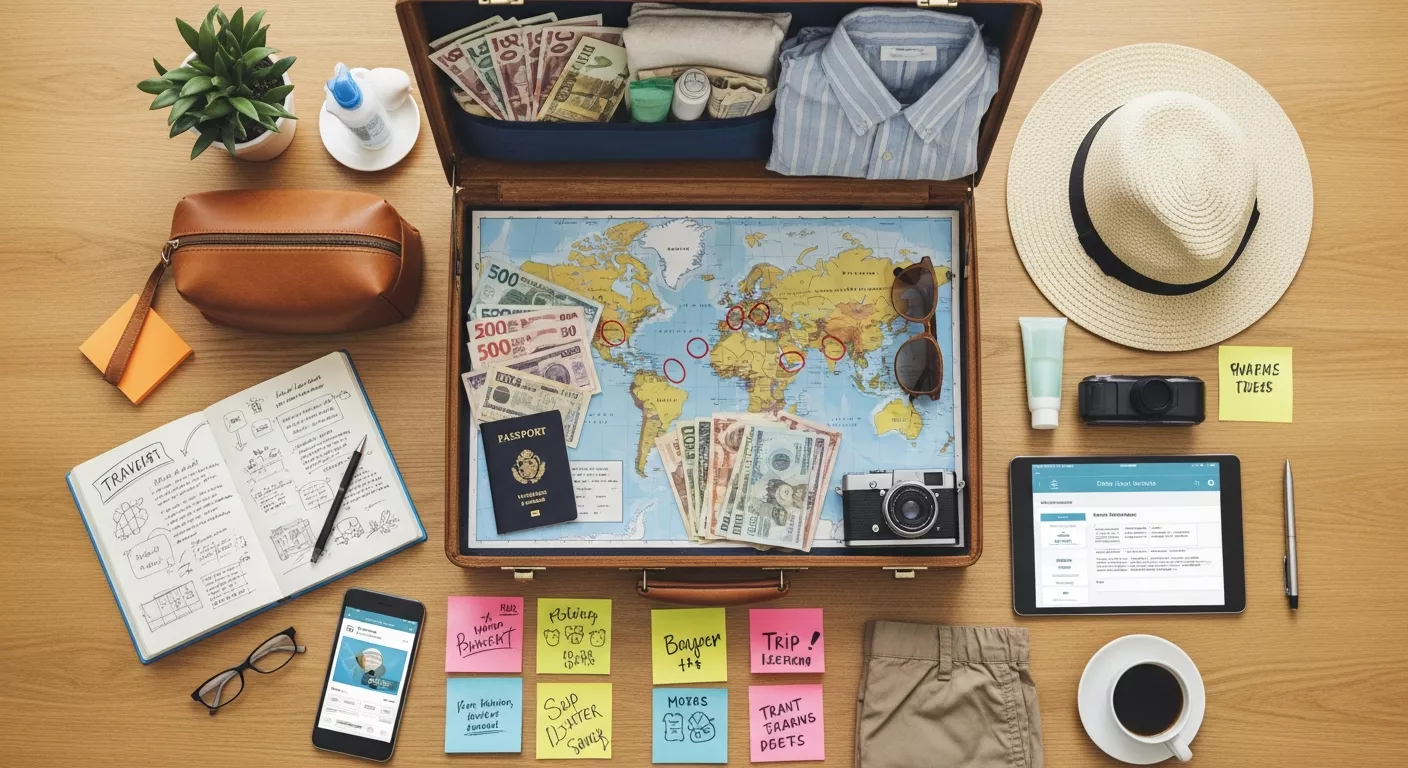
A great trip rarely happens by accident. It is usually the result of thoughtful planning. Travel planning gives structure to the experience and helps avoid last-minute stress. It also reduces uncertainty, especially for people travelling internationally or to a new environment for the first time.
Without planning, travellers often face higher costs, poor hotel choices, missed connections, packed schedules, and avoidable safety problems. They may spend too much on transportation, choose a hotel in a difficult location, or arrive at a destination without knowing how to get around. They may also waste valuable time trying to figure out basic things after arrival instead of enjoying the trip.
A travel planning guide solves these problems by making the trip more intentional. It allows the traveler to compare options in advance, balance flexibility with structure, and decide what matters most. Some people want to save money, so they focus on budget travel tips. Others want comfort and convenience, so they prioritize hotel booking strategies and direct flights. Some travellers want culture, food, and local experiences, so they spend more time on destination research. Others want adventure travel and seek hiking, diving, road trips, or outdoor exploration.
Planning also helps travellers prepare mentally. When people know what to expect, they feel calmer and more confident. They are less likely to panic when something changes. A well-prepared traveller can adjust more easily because they already have a framework in place. That is why trip preparation is not a boring administrative step. It is part of the travel experience itself.
Step-by-Step Travel Planning Guide
A practical travel planning guide should break the process into clear steps. That makes the journey manageable and helps travellers avoid forgetting important details.
Step 1: Define the purpose of your trip
Before choosing a destination, decide what kind of trip you want. Is this a relaxing holiday, a family vacation, a romantic trip, a solo travel guide experience, a backpacking adventure, or a work-related journey? The purpose of the trip affects every other choice, from budget to packing to transportation.
Step 2: Choose your destination
Once the purpose is clear, compare destination options. The best travel destinations depend on budget, season, travel style, safety, visa rules, and personal interest. A beach holiday may suit a tropical destination. A cultural trip may suit a historic city. An adventure travel itinerary may suit mountains, forests, or nature-based locations.
Step 3: Set your budget
A budget should include transport, accommodation, food, activities, local transportation, travel insurance, visa costs, and emergency funds. A realistic budget helps travellers avoid surprise expenses. Budget travel tips can also help stretch the same amount further without making the trip unpleasant.
Step 4: Research the destination
Destination research should include weather, peak season, local customs, safety conditions, transportation, language, currency, and major attractions. This is where a travel tips guide becomes especially useful because it helps separate good advice from generic advice.
Step 5: Book transportation
Flight booking tips matter because airfare can change quickly. Travellers should compare dates, airline policies, baggage rules, and layover length before booking. For some routes, trains or buses may be better. In some cases, road travel can be more flexible than flights.
Step 6: Choose accommodation
Hotel booking strategies should focus on location, reviews, safety, cancellation policies, and total cost. A cheap room may not be a good choice if it is far from transit or in an unsafe neighborhood.
Step 7: Build a travel itinerary
Travel itinerary planning helps organize the trip day by day. A balanced itinerary includes key attractions, rest time, meals, and transport time. The mistake many travelers make is trying to do too much in too little time.
Step 8: Prepare documents and essentials
This includes passport, visa, insurance, ID, tickets, hotel confirmations, payment methods, emergency contacts, and copies of important documents. A travel checklist keeps this step organized.
Step 9: Pack efficiently
Packing essentials should be based on weather, trip length, activities, and baggage limits. A strong packing plan prevents overpacking and reduces stress.
Step 10: Review safety and local rules
Safe travel tips and travel safety precautions should be reviewed before departure. Travellers should know emergency numbers, local laws, scam risks, and health considerations.
By following these steps, readers can move from idea to action with much more clarity.
Best Travel Destinations: How to Choose the Right Place
The phrase best travel destinations means different things to different people. For one traveller, the best destination may be a quiet beach. For another, it may be a lively city with museums, food, and nightlife. For another, it may be a remote mountain region with hiking trails and natural beauty. That is why the best destination is not always the most popular destination.
To choose wisely, travellers should match the destination to the trip goal. A family vacation might need a safe, easy-to-navigate place with family-friendly activities. A solo traveller may prefer a destination with good public transportation and a strong safety reputation. A budget traveller may look for a place with affordable food, cheap transport, and inexpensive accommodation. A cultural traveller may want a destination with historical sites, festivals, local crafts, and strong traditions. An adventure traveller may want outdoor activities, challenging terrain, or water-based experiences.
Season matters too. Some destinations are best in the dry season, while others are better when the weather is cooler or less crowded. Peak season often means higher prices and larger crowds. Off-season can offer better value but may come with weather trade-offs. Travellers who research this in advance can make much better choices.
It also helps to think about ease of access. A destination may be beautiful, but if flights are expensive, visas are difficult, or transport is limited, it may not be the best choice for that traveler. A smart travel guide should encourage people to compare beauty, practicality, budget, and timing instead of focusing on just one factor.
Budget Travel Tips for Smarter Travel
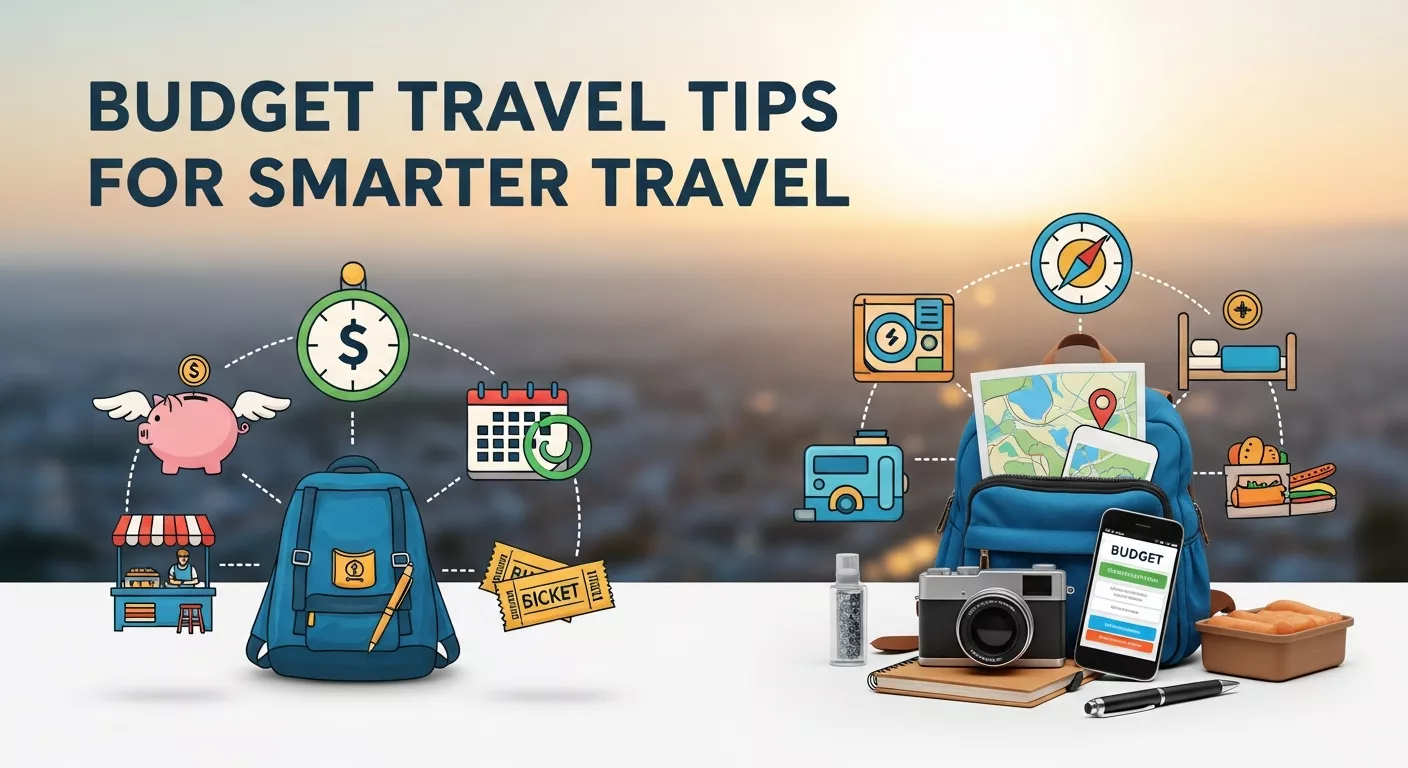
A strong budget travel tips section is essential in any Travel Guide because many readers are trying to maximize value. Budget travel does not mean low-quality travel. It means spending wisely so the trip feels rich in experience rather than expensive in price.
One of the best ways to save money is to travel in the off-season or shoulder season. Flights and hotels are often cheaper when demand is lower. Another smart method is to be flexible with dates. Even shifting a departure by one or two days can significantly change the cost of a ticket.
Accommodation can also be managed wisely. Instead of choosing the most expensive hotel, travellers can compare guesthouses, apartments, hostels, or mid-range hotels depending on the trip type. A room that is slightly smaller but close to the centre may save money on transport and time. A room with free breakfast may reduce food expenses. These details matter.
Food is another area where savings can add up. Travelers who eat only at tourist-heavy restaurants often spend much more than necessary. Local eateries, markets, and street food can offer both authenticity and lower prices. In many destinations, food is a huge part of the cultural travel experience, so saving money does not need to mean sacrificing quality.
Public transportation is usually cheaper than taxis or private transfers. Learning local transport routes can save a lot over the course of a trip. For travelers planning a backpacking route or longer holiday, small savings repeated every day can make a major difference.
Travel hacks also help. Booking with price alerts, using fare comparison tools, carrying a reusable water bottle, and prioritizing free attractions are simple examples. Budget travel works best when it is planned, not improvised.
Flight Booking Tips for Better Value
Airfare can be one of the biggest trip expenses, so flight booking tips deserve special attention in every travel guide. Good booking decisions often come from timing, flexibility, and comparison.
A traveler should compare prices across multiple platforms, but also remember that the cheapest fare is not always the best overall value. Some low fares come with strict baggage rules, no flexibility, or inconvenient layovers. If a slightly more expensive option gives better departure time, fewer restrictions, and lower stress, it may be the smarter choice.
Timing matters. Booking too late can lead to higher prices, but booking too early is not always the best deal either. The ideal timing depends on route, season, and airline patterns. The best approach is usually to start monitoring prices early and book when the fare is reasonable rather than trying to chase the perfect price indefinitely.
Travelers should also check baggage policies carefully. Some budget airlines advertise low fares but charge extra for bags, seat selection, or changes. A ticket that appears cheaper on the surface may become more expensive after fees are added. A good flight booking guide should encourage readers to calculate the full trip cost before buying.
Flexibility can also help. Flying midweek, choosing alternative airports, or adjusting travel dates by a day or two can sometimes make a big difference. For international travel guide planning, travelers should also consider stopover duration, transit rules, and the total journey time. The fastest route is not always the most comfortable, especially for long-distance travel.
Hotel Booking Strategies for a Better Stay
Choosing the right hotel can improve the entire trip. Good hotel booking strategies are not just about finding the lowest price. They are about finding the best combination of location, comfort, safety, and value.
The first thing travelers should consider is location. A hotel in the wrong area can create constant problems. It may be far from transport, attractions, restaurants, or safe walking routes. A slightly more expensive hotel in a better location often saves both time and money.
Review quality matters too. Travelers should look for recent reviews, not just the overall score. A hotel may have good marketing but poor recent service. Pay attention to comments about cleanliness, staff behavior, noise, Wi-Fi, breakfast, and security. These are the details that shape the stay.
Cancellation flexibility is another important factor. Flexible booking can reduce stress if travel plans change. It may cost a little more, but it can be worth it for peace of mind.
Travelers should also check what is included. Breakfast, airport transfer, luggage storage, pool access, and Wi-Fi can all affect the true value of the booking. A cheaper room without essentials may end up costing more than a slightly higher-priced room with useful extras.
For families, accessibility, room size, and safety matter. For solo travelers, reliable staff, secure entry, and transport access are especially important. For backpackers, clean hostels or guesthouses with good reviews may be the best fit. The right hotel strategy always depends on the type of trip.
Travel Checklist: What to Prepare Before You Go
A detailed travel checklist is one of the most useful tools in travel planning. It prevents forgotten items and reduces stress before departure. The goal is to make sure the traveler leaves with everything they need without overpacking.
A travel checklist should begin with documents. This includes passport, visa, ID card, travel insurance details, airline tickets, hotel confirmations, transport bookings, and emergency contacts. It is smart to keep both digital and physical copies of important documents.
Next come financial items. Travelers should prepare their main payment method, a backup card or cash reserve, and information about currency exchange if needed. In some countries, digital payment is common; in others, cash may still be important.
Clothing and packing essentials depend on the destination and season. Travelers should pack comfortable clothes suited to the weather, footwear for walking, sleepwear, and any special items needed for planned activities. For adventure travel, the checklist may also include hiking gear, waterproof clothing, or activity-specific equipment.
Personal care items should include toiletries, medication, sunscreen, hand sanitizer, and anything else that makes the trip more comfortable. Electronics such as chargers, power banks, adapters, headphones, and devices should also be checked.
Finally, the checklist should include travel safety precautions. A traveler may want to note emergency numbers, hotel addresses, local transport information, and the address of the nearest clinic or embassy if traveling internationally. A checklist is not just about remembering things. It is about reducing uncertainty.
Packing Essentials for Every Traveller
Packing is often underestimated, yet it has a huge effect on comfort and convenience. Good packing essentials are different for every trip, but the basic principle is the same: pack what is necessary and avoid carrying unnecessary weight.
One of the biggest mistakes travelers make is overpacking. Extra clothes, duplicate items, and “just in case” objects can quickly make bags heavy and difficult to manage. This is especially inconvenient for backpacking tips scenarios or trips with multiple transport changes. Lighter packing improves mobility and reduces fatigue.
The best packing approach begins with the destination’s weather. A warm coastal trip requires different clothing than a cold mountain trip. Rainy destinations need waterproof items. Cities with a dress code may need more formal wear. Adventure travel may require technical gear. Travelers who plan ahead pack more intelligently.
A good rule is to build outfits around combinations. Instead of packing separate clothing for every day, choose pieces that can be mixed and matched. Neutral colors, comfortable layers, and durable fabrics are often more versatile. Shoes should be limited to a small number of pairs that actually serve the trip.
Electronics should also be carefully selected. A phone, charger, power bank, and adapter are often essential. Additional devices should be included only if they have a clear purpose. Toiletries can be packed in travel-sized containers to save space. A small first aid kit, medication, and sanitizer can be helpful in many destinations.
Travelers should also keep items that they may need quickly in an easy-to-access bag: passport, boarding pass, money, medications, and a phone charger. That simple habit saves time and stress during transit.
Travel Insurance Importance
Many travelers skip insurance because they think the trip will go smoothly. That can be a costly mistake. The travel insurance importance section belongs in every travel guide because it protects against unexpected problems.
Travel insurance may cover medical emergencies, trip cancellations, lost luggage, delayed flights, and other disruptions. Even if a trip goes well, having insurance provides peace of mind. If something goes wrong, it can reduce financial damage and stress.
International travelers especially should pay attention to insurance because medical treatment abroad can be expensive. A simple accident, illness, or travel disruption may create major costs. Insurance can also help if a traveler loses essential baggage or has to change plans suddenly.
Not all policies are the same. Travelers should read the terms carefully to understand what is covered and what is excluded. Some plans may have limits on adventure activities, pre-existing conditions, or specific destinations. That is why choosing insurance based on the actual trip matters.
For example, someone going on a city holiday may need basic coverage, while someone doing adventure travel may need a more specific policy. A family vacation, a solo trip, and a backpacking trip may all require different coverage priorities. The important thing is not to view insurance as an optional decoration. It is part of responsible trip preparation.
Visa Requirements and International Travel Guide Basics
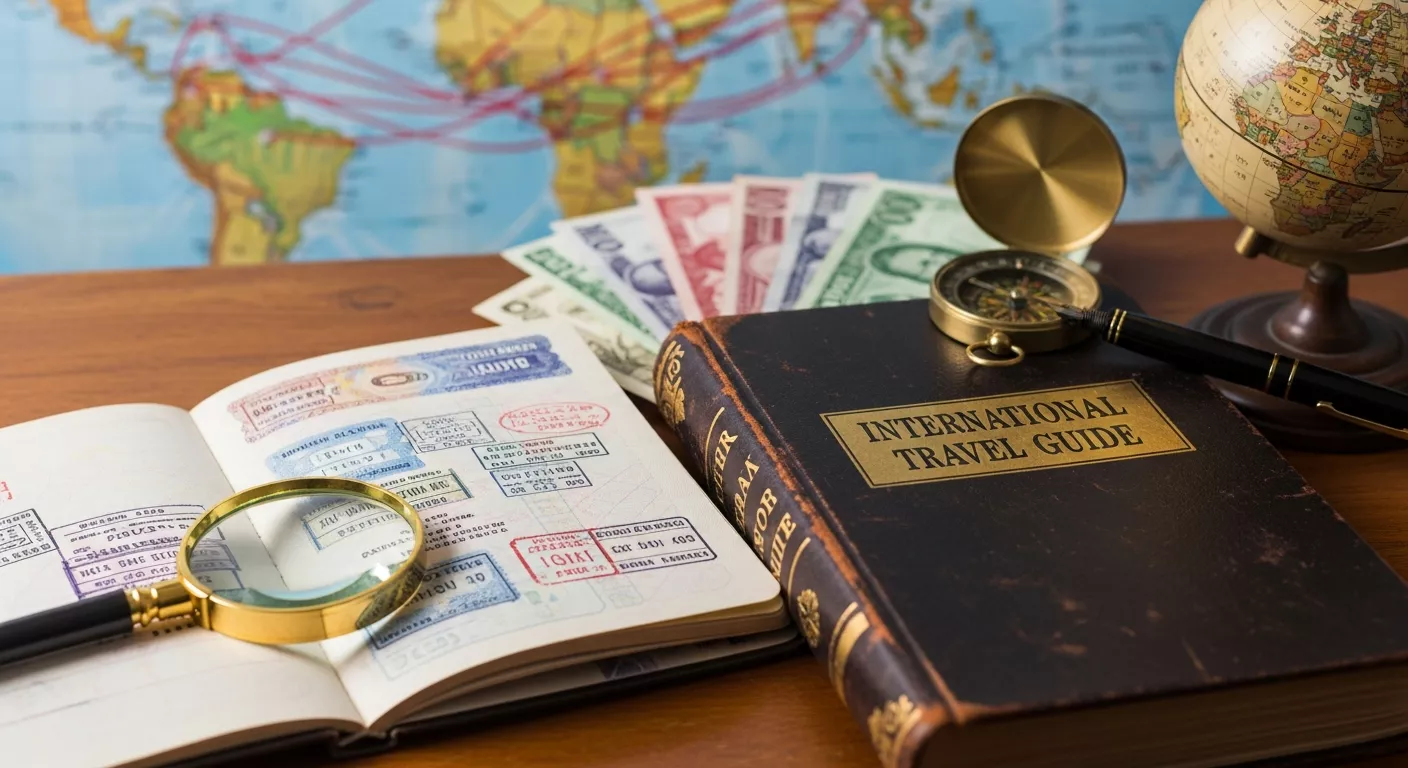
An International Travel Guide should always cover visa requirements because they can affect destination choice, timing, and budget. A destination may look perfect, but if the visa process is difficult or expensive, it may not be practical for that traveler.
Visa requirements vary by country, nationality, trip purpose, and length of stay. Some destinations offer visa-free entry or visa-on-arrival options. Others require advance application, supporting documents, proof of funds, hotel bookings, or return tickets. Travelers should not assume that all destinations are easy to access.
The best practice is to check official government or embassy sources well before departure. That gives enough time to prepare documents and fix mistakes if needed. Visa applications can sometimes take longer than expected, especially during busy seasons or when extra verification is required.
Travelers should also ensure that their passport is valid for the required period. Some countries require at least six months of validity beyond the arrival date. Ignoring this detail can cause serious problems at the airport.
For international travel, customs rules, entry restrictions, and local regulations also matter. Some items that are normal at home may be restricted abroad. A responsible travel guide should remind readers to review destination-specific rules instead of relying on assumptions.
Local Transportation Guide: Moving Around Smoothly
Once travelers arrive, the trip depends heavily on transportation. A useful local transportation guide helps people move around efficiently and avoid confusion.
Different destinations use different systems. Some cities have excellent metro networks, while others rely more on buses, taxis, ride-sharing, or rental vehicles. Some places are walkable and easy to navigate on foot. Others require planning because distances are larger or public transport is limited.
Before arrival, travelers should understand how local transport works. They should know whether they need transit cards, tokens, tickets, or mobile apps. They should also know which transport options are most affordable and which are safest at night.
Language can be a challenge in some destinations, so mapping apps and translation tools can help. It is also useful to learn the names of key locations before traveling. For example, knowing the hotel address, airport name, and major landmarks makes transport easier to manage.
Taxis and ride-sharing apps may be convenient, but travelers should still check pricing and safety. In some destinations, unauthorized taxis or unmetered rides can lead to overcharging. For budget travelers, buses, shared shuttles, and trains may be the smarter choice. For those seeking convenience, private transfers may be worth the extra expense.
A strong travel guide should remind readers that local transport knowledge can save money, reduce stress, and improve safety.
Safe Travel Tips and Travel Safety Precautions
Safety is one of the most important parts of any trip. A solid safe travel tips section helps travelers protect themselves, their belongings, and their experience. Travel should feel exciting, not risky.
One basic rule is to stay aware of surroundings. Travelers should avoid becoming too distracted by phones or maps in unfamiliar areas. They should also be cautious with valuables. Large amounts of cash, visible jewelry, and expensive electronics can attract unwanted attention.
Another important point is accommodation safety. Travelers should choose places with reliable reviews, secure entry, and strong reputations. Once at the accommodation, they should lock doors, store valuables safely, and know the exit routes if needed.
Public Wi-Fi can also create risks. Travelers should avoid sharing sensitive information on insecure networks. Using strong passwords, device security settings, and cautious online behavior helps reduce digital risk. This is part of travel safety precautions in the modern world.
Travelers should also be aware of scams. These can include fake tickets, overcharging taxis, unofficial guides, and misleading street offers. If something feels too good to be true, it often is. A traveler should pause and verify before paying.
Emergency preparation matters too. Travelers should know the local emergency number, the location of nearby medical help, and how to contact family or support people if needed. A calm, prepared traveler is usually a safer traveler.
Solo Travel Guide: Traveling Alone with Confidence
A solo travel guide is valuable because traveling alone has become more common and more appealing for many people. Solo travel offers freedom, flexibility, and personal growth. It allows travelers to move at their own pace, choose their own schedule, and focus deeply on what interests them.
However, solo travel also requires smart planning. A person traveling alone cannot rely on a companion to handle everything, so preparation becomes even more important. That includes choosing safe accommodation, understanding transport, informing trusted people about plans, and staying mindful of surroundings.
Solo travelers should prioritize destinations with clear transport, accessible services, and a reputation for safety. It is also wise to have backup plans for transport, communication, and accommodation changes. A solo traveler should keep important contacts easily available and share itinerary details with someone they trust.
One of the best parts of solo travel is the ability to connect more deeply with the destination. Without group pressure, the traveler can spend more time noticing details, interacting with locals, and building a personal cultural travel experience. Some travelers enjoy solo travel because it helps them become more confident, self-reliant, and reflective.
For first-time solo travelers, it helps to start with a manageable destination rather than an extremely remote or complex one. A well-designed solo travel guide encourages independence while also respecting safety and comfort.
Cultural Travel Experience: Respecting Local Ways
Travel is not only about seeing places. It is also about understanding people, traditions, and lifestyles. A rich cultural travel experience can turn a simple trip into something meaningful and memorable.
Cultural respect begins with curiosity. Travelers should learn about local customs before arrival. This includes dress codes, greetings, tipping norms, meal etiquette, religious practices, and social behavior. Even basic awareness can prevent misunderstandings and help visitors feel more welcome.
Learning a few local phrases is often appreciated. It does not have to be perfect. Even a simple hello, thank you, or excuse me can show respect. Travelers should also be open to trying local food, visiting local markets, and attending festivals or community events when appropriate.
It is important to remember that different cultures have different expectations around space, conversation, photography, and politeness. Asking before taking photos, dressing appropriately in sacred places, and observing how locals behave are simple but meaningful actions.
A strong travel guide should encourage readers to be respectful guests rather than passive observers. That mindset creates more genuine connections and a better overall journey.
Travel Itinerary Planning Like a Pro
Travel itinerary planning helps travellers make the most of their time. Without it, days can feel scattered, rushed, or inefficient. A good itinerary keeps structure without removing flexibility.
Start by listing the must-see places or must-do activities. Then group them by location to reduce wasted travel time. For example, attractions that are close to one another should be visited on the same day if possible. This is especially useful in large cities where transport time can become a hidden cost.
A smart itinerary also includes rest. Many travellers make the mistake of filling every hour with activities. That can make the trip exhausting. Meals, breaks, and buffer time should be built into the plan. Unexpected delays happen, and a good itinerary can absorb those changes.
The itinerary should also reflect the traveler’s style. A fast-paced city break may need more structure. A beach holiday may need less. Adventure travel may need flexibility because weather or conditions can change. A family trip may require slower pacing than a solo trip.
Digital tools can help. Many travelers use spreadsheets, notes apps, or trip-planning apps to keep everything organized. What matters most is clarity. A good itinerary tells the traveller where to be, what to do, how to get there, and what time to move on.
Travel Hacks That Make a Big Difference
Good travel hacks are practical shortcuts that save time, money, or stress. They are not about cheating the system. They are about being more prepared and more efficient.
One helpful travel hack is to keep digital copies of passports, tickets, and reservations. That makes it easier to recover if physical documents are lost. Another useful trick is to pack a small “first-night” bag with essentials so that the traveler does not need to unpack everything immediately.
Using offline maps is another smart move, especially in destinations where mobile service may be unreliable. Travelers can download maps before arrival and use them without internet. A portable charger or power bank is also one of the most useful tools on any trip.
For baggage, packing cubes can make organization easier and help travelers find items quickly. A reusable water bottle can save money and reduce waste. A lightweight bag or daypack is useful for day trips and local exploration.
Some travelers also use airline and hotel reward systems to earn points or discounts over time. While not every traveler wants to manage loyalty programs, those who travel often can benefit from them.
A good travel guide should remind readers that the best hacks are usually the simplest ones. Small improvements repeated across a trip can create a much smoother experience.
Adventure Travel: Planning for More Active Trips
Adventure travel is for travelers who want more physical activity, outdoor exploration, or unusual experiences. It may include hiking, climbing, diving, cycling, wildlife tours, camping, or other active pursuits.
Adventure travel requires more preparation than a standard holiday. Travelers need to think about gear, weather, safety, local rules, and physical ability. A scenic mountain route or river activity may be exciting, but it can also be demanding if the traveler is not prepared.
Before booking an adventure trip, travelers should research the difficulty level, required equipment, local conditions, and emergency support options. If necessary, they should bring or rent proper gear rather than improvising. Good footwear, weather-appropriate clothing, hydration, and route planning can make a major difference.
Travel insurance becomes even more important in adventure travel because activities may carry higher risk. Travelers should make sure the policy covers the planned activities. It is also wise to use trusted operators and follow local safety instructions carefully.
Adventure travel can be one of the most rewarding forms of travel because it combines nature, challenge, and discovery. But the best adventure is the one that is planned responsibly.
Backpacking Tips for Longer, Leaner Travel
Backpacking is a travel style that focuses on mobility, flexibility, and lower costs. Good backpacking tips can help travellers enjoy longer trips with less weight and more freedom.
One of the main goals of backpacking is to keep luggage light. That means choosing versatile clothing, reducing unnecessary items, and packing only what will actually be used. A smaller bag is easier to carry on buses, trains, stairs, and walking routes.
Backpackers should also plan for variety in accommodation. Hostels, guesthouses, shared stays, and budget rooms are common choices. This allows the traveller to extend the trip without overspending. Food choices also matter. Simple meals, local markets, and affordable restaurants can help maintain a manageable budget.
Because backpacking often involves frequent movement, organization is important. Travellers should keep important documents accessible, know how to access funds, and keep digital copies of key information. They should also be aware of transport timetables and local conditions so that they are not caught off guard.
Backpacking works best when the traveller is comfortable with flexibility. It is not about squeezing every minute into a plan. It is about staying light, mobile, and ready for change.
Building a Smart Travel Tips Guide Mindset
A strong travel tips guide is not only a list of recommendations. It is a way of thinking. Smart travellers ask better questions before making choices. They compare value rather than focusing only on price. They think about safety, convenience, timing, and comfort together.
The best travel decisions come from balancing multiple factors. A cheap flight may not be worth it if it creates a stressful overnight layover. A beautiful destination may not be ideal if it is hard to enter or too expensive in peak season. A hotel may look perfect online, but be poorly located in reality. A packed itinerary may look productive but leave no room to enjoy the trip.
This is why the phrase Travel Guide is so powerful. It represents more than one tip or one article. It represents a complete support system for better travel decisions.
Travelers who learn to plan well gain confidence. They worry less, adapt more, and enjoy more. They also tend to spend money more effectively, because they understand where it matters and where it does not. This is one of the biggest advantages of a well-designed travel guide: it improves the entire journey, not just one part of it.
Suggested Internal Linking Structure for guideorbis.com
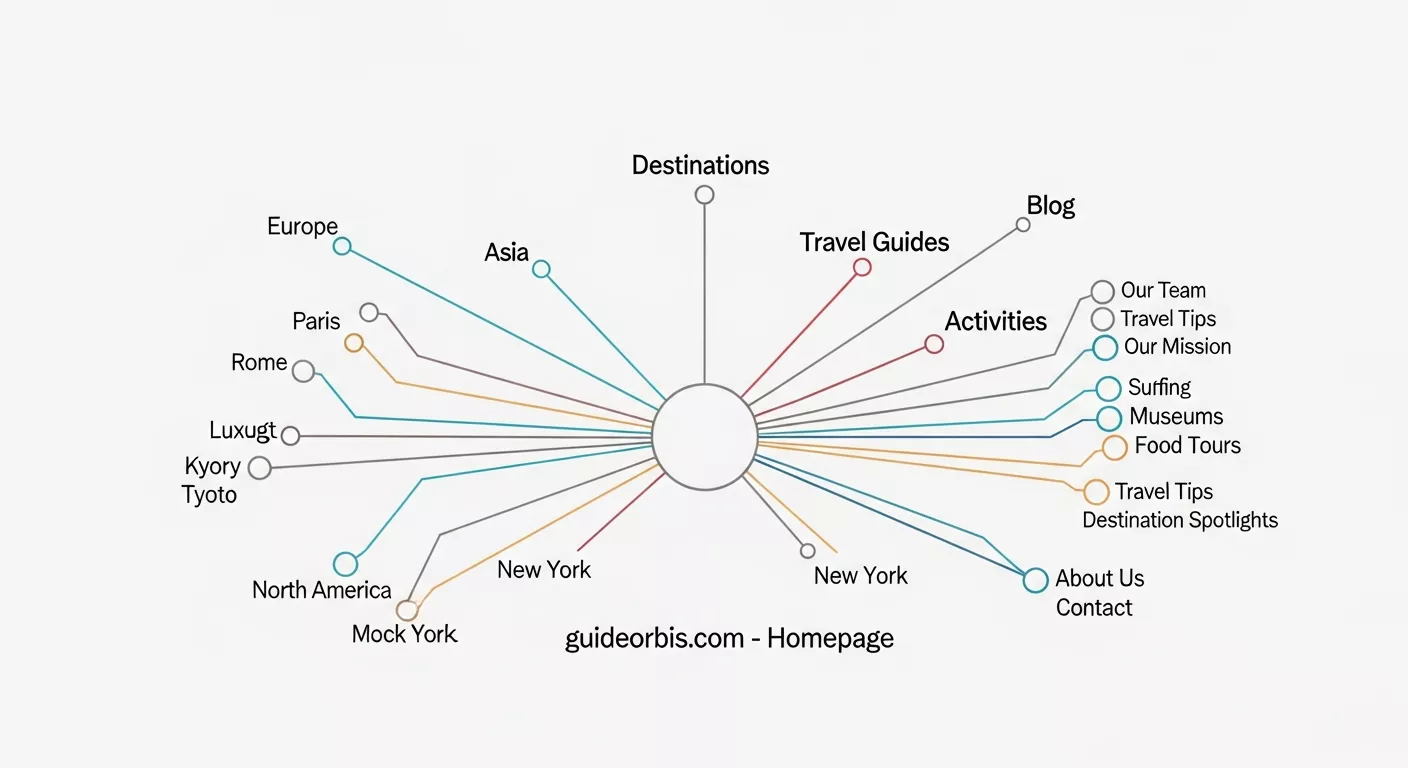
For a travel content site, this pillar page should connect to support content that expands each major subtopic. A strong internal linking structure might include the following cluster pages:
- Budget Travel Tips for Beginners
- Best Travel Destinations for 2026
- Solo Travel Guide for First-Time Travellers
- Travel Itinerary Planning Template
- Safe Travel Tips for International Trips
- Flight Booking Tips to Save Money
- Hotel Booking Strategies for Smart Travellers
- Travel Checklist for Every Trip
- Travel Insurance Importance Explained
- Packing Essentials for Short and Long Trips
- Local Transportation Guide for Travelers
- Adventure Travel Planning Guide
- Backpacking Tips for Long-Term Travel
- Cultural Travel Experience: How to Travel Respectfully
This structure helps search engines understand the topic depth and helps readers move naturally from one question to the next.
Frequently Asked Questions
1. What is a Travel Guide?
A Travel Guide is a complete resource that helps travellers plan trips efficiently. It includes destination selection, budgeting, transportation, accommodation, packing, safety tips, and itinerary planning. It acts as a step-by-step framework to reduce confusion and improve the overall travel experience for beginners and experienced travellers alike.
2. Why is travel planning important?
Travel planning is essential because it reduces stress, saves money, and helps avoid last-minute problems. Proper planning ensures better hotel choices, smoother transportation, and more efficient itineraries. It also allows travellers to prepare for visas, weather conditions, and cultural differences before they arrive at their destination.
3. How do I choose the best travel destination?
Choosing the best travel destination depends on budget, season, travel goals, and personal interests. Beach lovers may prefer coastal areas, while adventure seekers may choose mountains or forests. Cultural travellers may focus on historical cities. Accessibility, visa requirements, and safety should also be considered before finalizing a destination.
4. What are the best budget travel tips?
Budget travel tips include booking flights early, traveling in off-peak seasons, using public transportation, and choosing affordable accommodation. Eating at local restaurants instead of tourist spots and using travel deals or discounts can also reduce costs. Planning ahead helps avoid unnecessary spending during the trip.
5. How can I find cheap flights?
To find cheap flights, compare prices across multiple booking platforms and set fare alerts. Flexible travel dates often result in lower prices. Flying midweek or choosing alternative airports can also reduce costs. Booking in advance while avoiding peak travel seasons is another effective strategy for saving money.
6. What should be included in a travel checklist?
A travel checklist should include passports, visas, tickets, hotel bookings, travel insurance, money, and emergency contacts. It should also cover clothing, toiletries, medications, chargers, and travel adapters. Having both digital and physical copies of important documents ensures safety and reduces travel stress.
7. Why is travel insurance important?
Travel insurance is important because it protects against unexpected situations like medical emergencies, lost luggage, trip cancellations, or flight delays. It provides financial security and peace of mind during travel. Without insurance, travellers may face high costs if anything goes wrong during the trip.
8. What are safe travel tips for beginners?
Safe travel tips include staying aware of surroundings, avoiding risky areas at night, and keeping valuables secure. Travelers should use trusted transportation, avoid sharing personal details with strangers, and stay connected with family or friends. Researching local safety rules before arrival is also very important.
9. What is the best way to plan a travel itinerary?
The best way to plan a travel itinerary is to list key attractions, group nearby locations, and allocate time wisely. It should include rest periods to avoid exhaustion. Using maps and travel apps helps organize routes efficiently. A good itinerary balances exploration, relaxation, and flexibility.
10. How do solo travelers stay safe?
Solo travelers stay safe by choosing secure accommodations, sharing travel plans with trusted contacts, and avoiding unsafe areas. They should stay alert in public spaces and use reliable transport options. Having emergency contacts and backup plans ensures safety while enjoying independence and freedom during travel.
Conclusion
A strong Travel Guide is one of the most valuable resources a travel website can offer. It gives readers the structure they need to plan better, save money, stay safe, and enjoy the journey more fully. From travel planning guide basics to budget travel tips, from travel itinerary planning to safe travel tips, every section of this pillar page supports a more confident traveler.
Travel is deeply personal. Some people want luxury, some want adventure, some want cultural experiences, and some want simple relaxation. But no matter the style, good planning makes every trip better. By understanding flight booking tips, hotel booking strategies, packing essentials, travel insurance importance, visa requirements, local transportation guide basics, cultural travel experience, travel safety precautions, backpacking tips, and adventure travel planning, travelers can make smarter choices from the start.
For guideorbis.com, this pillar page can become the foundation of a larger travel content strategy. It can support cluster articles, internal links, destination guides, and practical how-to content that helps build topical authority over time. Most importantly, it gives readers something useful: a clear, reliable starting point for travel planning.
Travel becomes easier when the planning is strong. The right guide makes that planning possible.
