


Budget Adventures are not about limiting your travel dreams; they are about making smarter choices that stretch every dollar further. With the right planning, flexible mindset, and practical money-saving habits, travelers can enjoy meaningful trips, authentic local experiences, and unforgettable memories without overspending. This guide explains how to design affordable journeys, choose the best destinations, reduce hidden costs, and travel more often while staying within budget.
Travel does not need to be expensive to be rewarding. In fact, some of the most memorable journeys happen when travelers focus less on luxury and more on discovery, connection, and thoughtful planning. Budget Adventures give people the freedom to explore new places, experience different cultures, and create meaningful memories without draining their savings. The goal is not to spend as little as possible; the goal is to spend wisely so every part of the trip adds real value.
For many travelers, the biggest challenge is not choosing where to go, but deciding how to make the trip affordable without losing excitement. That is where Budget Adventures become especially powerful. They help you look at travel through a smarter lens, where timing, destination choice, transportation, accommodation, and daily habits all work together to lower costs. When those pieces align, Budget Adventures become both practical and deeply enjoyable.
This guide is designed to help beginners and experienced travelers alike build a better travel strategy. Whether you are planning a weekend city break, a long international escape, or a flexible backpacking trip, the same principles apply: plan early, remain flexible, track your spending, and focus on experiences that feel meaningful rather than expensive. If you approach travel with intention, Budget Adventures can become your preferred way to explore the world.
Why Budget Travel Works So Well
Budget travel works because it encourages decisions based on value instead of impulse. Many people assume affordable trips mean sacrificing comfort, but that is rarely true. Smart travel planning can lead to better food, better location choices, and more authentic experiences than expensive, rushed itineraries. Budget Adventures often reveal hidden gems that luxury travelers miss because they stay inside resort zones or premium service bubbles.
One of the biggest psychological benefits of Budget Adventures is freedom from financial stress. When travelers know their trip is under control, they enjoy the experience more fully. They do not feel pressured to “get their money’s worth” by overbooking activities or overspending at every stop. Instead, they can slow down, observe more, and appreciate the journey itself. That mindset alone can transform how travel feels.
Budget Adventures also make travel more sustainable over time. Instead of saving for years for one expensive trip, travelers can take multiple smaller adventures throughout the year. This allows more consistent exploration and more opportunities to learn, adapt, and improve each future trip. In that sense, Budget Adventures are not just about saving money; they are about building a travel lifestyle that is repeatable and realistic.
How to Plan a Budget Adventure Trip
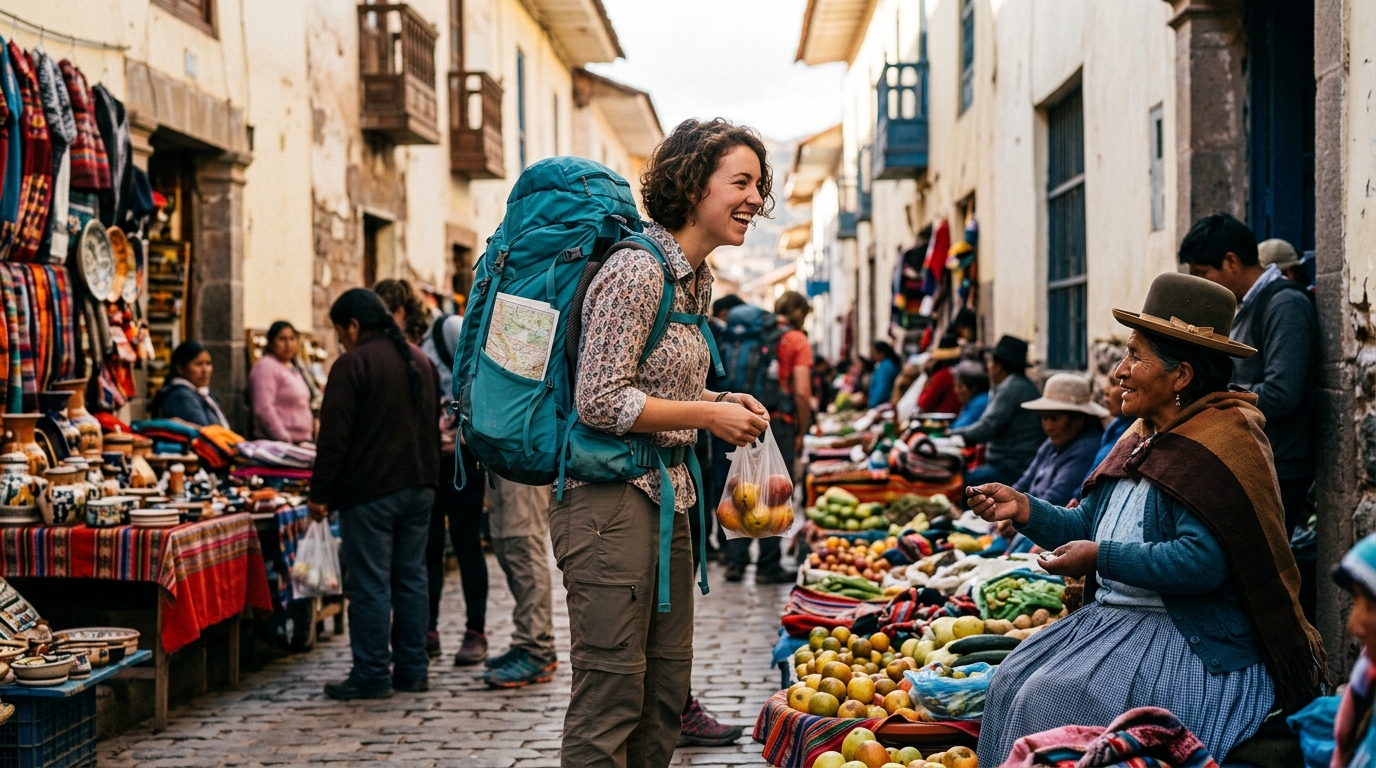
Planning is the foundation of successful Budget Adventures. The more clearly you define your route, timing, and priorities, the easier it becomes to control costs. Start by choosing a destination that matches your budget, travel style, and season. Some places are naturally more affordable due to lower food, transport, and lodging costs. Others become budget-friendly during off-peak months when flights and hotels drop in price.
Next, set a total trip budget before you book anything. Break it into categories such as transportation, accommodation, food, activities, local movement, and emergency funds. This simple step prevents overspending because every expense has a purpose. It also helps you identify where you can cut costs without hurting the quality of the experience. Budget Adventures become much easier when you treat your budget like a guide rather than a restriction.
After that, research transport options carefully. Flights are often the highest cost, but trains, buses, and multi-city routes can sometimes be cheaper. Flexible travel dates can make a huge difference. Even shifting a departure by one or two days may reduce airfare significantly. Book early when possible, compare multiple platforms, and avoid unnecessary add-ons. The less emotional your booking process is, the more effective your Budget Adventures will be.
Best Budget Travel Guide for Beginners
For first-time travelers, the most important thing is not to do everything. The best budget travel guide for beginners starts with simplicity. Choose one destination, one main base, and one clear plan. Beginners often overspend because they try to fit too many places into one trip. That creates extra transport costs, rushed decisions, and unnecessary stress. Budget Adventures work best when the itinerary feels manageable.
Start with destinations that are easy to navigate and known for good value. Places with strong public transport, walkable districts, and affordable local food are ideal for beginners. A simple itinerary also makes it easier to understand how daily expenses actually work on the road. Over time, this knowledge becomes one of the most useful tools for future Budget Adventures because you learn your own travel patterns.
Beginners should also prioritize refundable or flexible bookings whenever possible. This gives room to adapt if prices shift or plans change. Read reviews before booking accommodation, check neighborhood safety, and confirm transport access before paying. These small habits prevent costly mistakes. The best budget travel guide for beginners is not about perfection; it is about learning how to travel confidently without paying for avoidable errors.
Affordable Travel Tips for Travelers
Affordable travel tips for travelers often sound simple, but they make a huge difference in real life. One of the most effective habits is to spend more on location and less on luxury. A centrally located budget hotel or guesthouse can save money on taxis and transit, making the total trip cheaper overall. In Budget Adventures, value matters more than appearance.
Another useful tip is to eat like a local. Street food, neighborhood cafes, and fixed-price lunch menus often provide better value than tourist-heavy restaurants. Not only does this reduce costs, but it also makes your trip feel more authentic. Local food is one of the strongest reasons many travelers fall in love with Budget Adventures, because it connects them to the destination in a direct and memorable way.
You can also save by using free activities. Walking tours, parks, public beaches, museums with free-entry days, and local markets often provide rich experiences at little or no cost. Affordable travel tips for travelers are not about deprivation; they are about choosing the experiences that give the most return in memory, learning, and enjoyment. That is what makes Budget Adventures both practical and rewarding.
Cheap International Travel Guide
International travel can feel expensive, but a cheap international travel guide begins with timing and geography. Some countries naturally offer better value because of favourable exchange rates, lower daily costs, or affordable transport networks. If your goal is to travel farther for less, choose destinations where your money stretches. Budget Adventures often become much easier when the destination itself is cost-efficient.
Flights are another major factor. Search departures from nearby airports, consider layovers, and compare regional carriers. Sometimes a different destination gateway can cut costs dramatically. Once you arrive, use public transportation instead of relying on taxis. Many cities abroad offer multi-day transit passes that reduce daily spending. A cheap international travel guide should always emphasize flexibility because flexibility is often the difference between a manageable trip and an overpriced one.
Do not forget hidden costs such as roaming fees, baggage charges, airport transfers, and tourist taxes. These small items can quietly increase your total spending. Build them into your plan early so they do not surprise you later. Budget Adventures become far more successful when international expenses are mapped in advance rather than discovered at the end of the trip.
Budget Travel Hacks for Long Trips
Long trips demand a different strategy because small expenses add up fast. Budget travel hacks for long trips should focus on consistency, not one-time savings. The first rule is to keep fixed costs low. Staying in an affordable apartment, hostel with kitchen access, or long-stay guesthouse can dramatically reduce daily expenses. Budget Adventures become much easier when your accommodation supports a slower pace.
Cooking some of your own meals is another powerful strategy. Even preparing breakfast or one dinner per day can save a meaningful amount over several weeks. Laundry habits also matter. Instead of paying for expensive hotel laundry, use local services or wash small items by hand when possible. These choices may seem minor, but for Budget Adventures over a longer period, they make a major difference.
Pack efficiently, too. The lighter you travel, the fewer baggage fees and storage hassles you face. A minimalist packing approach also gives you more freedom to move between cities. Budget travel hacks for long trips are about reducing friction everywhere possible. When you combine low-cost housing, smart eating, and efficient packing, Budget Adventures become sustainable even for extended travel.
Travel More While Spending Less
The real goal of Budget Adventures is not just to save money on one trip. It is to travel more while spending less over the course of a year or a lifetime. That means shifting your mindset from “How much can I afford for this one vacation?” to “How can I build a system that keeps travel possible again and again?” This perspective changes everything.
Create a travel savings habit. Set aside a small fixed amount each month for future trips. Use travel rewards carefully if they match your lifestyle. Track your spending after each trip so you can learn what helped and what wasted money. Over time, these habits allow you to travel more often without financial pressure. Budget Adventures are most powerful when they become part of your routine instead of a rare event.
It also helps to choose experiences that offer high memory value. A sunrise hike, a local festival, a cooking class, or a scenic train ride can feel far more meaningful than an expensive but forgettable activity. Travel more while spending less by investing in moments, not status. That approach keeps Budget Adventures exciting, personal, and long-lasting.
Best Ways to Save Money While Traveling
There are many best ways to save money while traveling, but the strongest ones are simple and repeatable. Book early when prices are lower, but remain flexible if better deals appear. Stay near transit lines rather than paying for premium neighborhoods. Use destination cards, passes, or bundles when they genuinely reduce costs. Budget Adventures improve when every booking supports the overall plan.
Another smart approach is to prioritize experiences that combine value and enjoyment. For example, a scenic bus route may cost less than a quick flight and also provide beautiful views. A local market visit may replace an expensive guided meal while offering more cultural insight. The best ways to save money while traveling usually involve choosing the option with the strongest balance of cost, convenience, and experience.
You should also monitor your daily spend in real time. A simple notes app or budgeting tool can help you stay aware of how quickly small purchases accumulate. Budget Adventures work best when you make decisions intentionally each day rather than waiting until the trip ends to understand the total cost.
Budget Friendly Vacation Ideas
There are endless budget friendly vacation ideas for travelers who are open to creativity. City breaks during off-season can be surprisingly affordable. Road trips, train journeys, and regional escapes often cost less than long-haul flights. Nature-based travel such as beaches, mountains, lakes, and national parks can also offer lower-cost experiences with high enjoyment. Budget Adventures do not require big spending; they require smart selection.
Consider combining destinations to reduce transport costs. For example, you might visit one major city and a nearby smaller town in the same trip. This gives variety without drastically increasing expenses. Budget-friendly vacation ideas also include slower travel. Spending more time in one place often reduces transport costs and helps you find better local rates for food and lodging.
Travelers should also think about purpose. A relaxing trip, a food-focused trip, or a cultural trip can all be budget-friendly if the activities are chosen carefully. The best Budget Adventures often come from clear themes, because themes help you avoid random spending and stay focused on experiences that matter most.
Travel Guide for Affordable Adventures

A travel guide for affordable adventures should emphasize flexibility, curiosity, and planning. Affordable travel is not about cutting every corner; it is about directing your money toward what matters most. That may mean a beautiful stay in one city, a memorable meal, or a guided experience you will remember for years. Budget Adventures become richer when you spend intentionally.
Look for local recommendations instead of only relying on commercial travel platforms. Residents often know the best inexpensive food, transport shortcuts, and hidden attractions. This local insight is one of the most valuable parts of Budget Adventures because it helps you experience a destination like a person who lives there, not just a tourist passing through.
Always leave room in your schedule for spontaneity. Some of the best travel moments happen when you wander into a neighborhood market, hear about a local event, or discover a scenic route unexpectedly. A travel guide for affordable adventures should teach structure, but it should also leave space for surprise. That balance is what makes Budget Adventures feel alive and memorable.
Budget Adventures Table: Where to Focus First
| Travel Area | Best Budget Focus | Why It Matters |
|---|---|---|
| Flights | Flexible dates and airports | Reduces major upfront cost |
| Accommodation | Central, practical stays | Saves time and transport money |
| Food | Local and street options | High value and authentic experience |
| Transport | Public transit or walking | Low daily expense |
| Activities | Free or low-cost experiences | Keeps the trip meaningful and affordable |
Practical Budget Adventure Checklist
Before every trip, check the essentials: total budget, destination costs, transportation options, accommodation reviews, food plan, local transit access, emergency reserve, and booking flexibility. This checklist keeps Budget Adventures organized and lowers the chance of expensive surprises. A well-prepared traveler almost always spends less than a rushed one.
Conclusion
Budget Adventures proves that great travel does not depend on a high price tag. What matters most is intention. When you plan carefully, choose destinations wisely, and stay flexible with your spending, you can create trips that feel rich in experience without becoming financially stressful. Affordable travel is not a compromise; it is a smarter way to explore the world.
The best travelers are not always the ones who spend the most. They are the ones who know how to find value, adapt quickly, and focus on what truly matters. Budget Adventures allow you to see more places, meet more people, and build more memories over time. By using the strategies in this guide, you can travel farther, travel wiser, and make every journey count.
FAQs
1. What are Budget Adventures?
Budget Adventures are travel experiences designed to maximize enjoyment while keeping costs under control. They focus on smart planning, affordable choices, and meaningful experiences rather than expensive luxury.
2. How do I start planning Budget Adventures as a beginner?
Start with one destination, set a total budget, and choose simple accommodation and transport options. Beginners should keep itineraries manageable and focus on value instead of trying to do too much.
3. What is the cheapest way to travel internationally?
The cheapest way usually involves flexible dates, budget airlines, public transport, and destinations with low daily living costs. Planning early and avoiding hidden fees also makes a big difference.
4. How can I save money on food while traveling?
Eat where locals eat, use markets, try street food, and choose lunch specials or fixed-price menus. These options often offer better value and a more authentic experience.
5. Are Budget Adventures only for backpackers?
No. Budget Adventures can fit solo travelers, couples, families, and even professionals. The idea is to travel smart, not to travel with hardship.
6. How do I avoid overspending on a trip?
Set a clear daily budget, track expenses in real time, avoid unnecessary upgrades, and book key items in advance. Awareness is one of the strongest tools for saving money.
7. Can long trips still be affordable?
Yes. Long trips become affordable when accommodation, food, and transport are managed carefully. Staying longer in one place and reducing frequent movement helps a lot.
8. What kind of destinations are best for budget travel?
Places with good public transport, lower food prices, and affordable lodging usually work best. Off-season travel and regional destinations can also provide excellent value.
9. How do I find the best deals for travel?
Compare platforms, stay flexible with dates, sign up for fare alerts, and check nearby airports. Many savings come from timing and comparison rather than luck.
10. Why are Budget Adventures so popular?
They allow people to travel more often, spend less money, and still enjoy authentic experiences. Many travelers prefer this approach because it is practical, flexible, and rewarding.
