

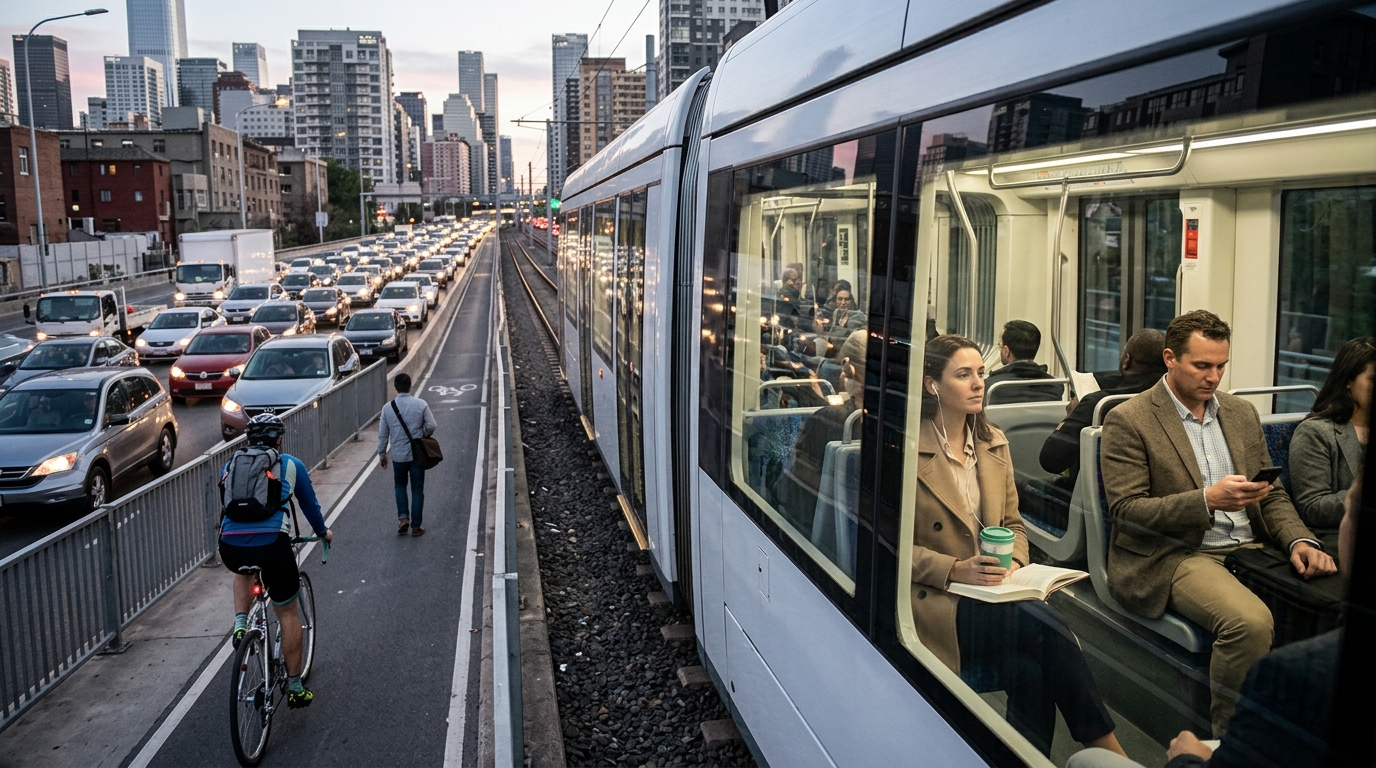
Transport Mode Comparison helps commuters choose faster, cheaper, and smarter ways to travel every day. This guide breaks down public, private, shared, and eco-friendly options using real-life factors like cost, time, comfort, and sustainability, so daily travel becomes easier to plan and optimize.
Why Commuters Need a Smarter Travel Strategy
Modern city life is fast, crowded, and expensive. Many people spend hours moving between home, office, school, and other daily destinations, often without a clear plan for how to travel better. That is where Transport Mode Comparison becomes useful. Instead of choosing the same route or vehicle every day, commuters can think more strategically about time, money, comfort, and convenience.
A good Transport Mode Comparison is not just about speed. It is also about whether the journey feels manageable during peak traffic, whether the cost fits your monthly budget, and whether the option supports your lifestyle. For many people, commuting is not a one-time decision; it is a repeating routine that affects productivity, stress levels, and even health.
This is why a Transport Mode Comparison is valuable for students, office workers, freelancers, parents, and business travelers alike. The right choice can reduce daily frustration and improve overall quality of life. In this modern transportation guide, we will look at the strengths, weaknesses, and real-world use cases of each major transport type, while also highlighting commuter travel efficiency tips that help you make a better choice every day.
Understanding Transport Mode Comparison in Daily Life
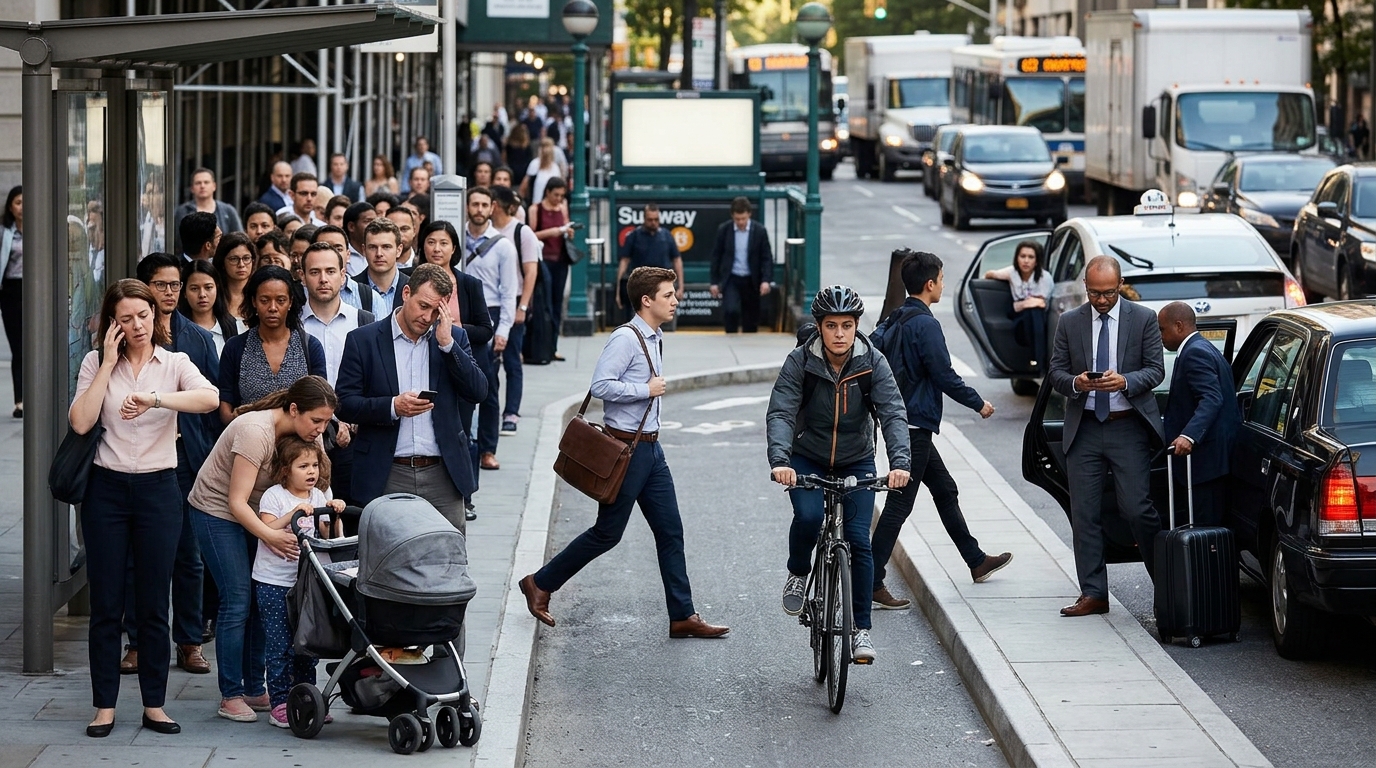
A Transport Mode Comparison works best when it matches real human behavior. Most commuters do not only ask, “What is the fastest route?” They also ask, “What feels reliable?”, “What costs less over time?”, and “What can I repeat every weekday without exhaustion?”
That is why the best transport mode for a daily commute often changes depending on distance, weather, road conditions, and work schedule. A short city trip may be ideal for a scooter, bicycle, or rideshare. A longer route may be better on a train or bus. In some cases, a mixed journey gives the best result.
For example, a public vs private transportation comparison can show that private travel offers flexibility, while public travel often saves money. But when traffic is heavy, private vehicles may not always be faster. That is why smart commuting transportation options should be reviewed in context, not in isolation. A Transport Mode Comparison should always include cost, time, comfort, and environmental impact.
Key Factors That Matter Most to Commuters
Before comparing vehicle types, it helps to understand the factors that shape daily decisions. These factors explain why one person loves a car while another prefers a bus, bike, or metro.
1. Travel Time
The fastest transport mode for city travel is not always the same every day. A car may seem quick at first, but traffic can reduce its advantage. Meanwhile, rail systems, metro lines, and dedicated bus lanes may offer more predictable timing.
2. Total Cost
Many commuters focus only on fuel or ticket price, but Transportation cost saving strategies require a wider view. Maintenance, parking, tolls, repairs, and hidden delays all affect the real expense. Cost effective transport methods are usually the ones that reduce both direct and indirect spending.
3. Comfort and Stress
A transport choice should not only move you from one place to another. It should also support mental comfort. Crowded vehicles, long waits, and poor seating can make a short journey feel draining.
4. Reliability
An option may be fast in theory but unreliable in practice. Weather, road congestion, schedule delays, and service disruptions matter. Reliable options usually support daily commute optimization guide goals more effectively.
5. Environmental Impact
More commuters now want sustainable transport alternatives. Eco friendly commuting solutions can reduce emissions, lower congestion, and support cleaner urban living.
Public Transportation: Strengths and Weaknesses
Public transport remains one of the most important choices in urban mobility. Buses, metro systems, suburban rail, and shared transit lines serve millions of daily trips. In many cities, public transportation is the backbone of movement.
A major advantage of public transportation is efficiency at scale. One bus can carry many passengers, which lowers road congestion and improves energy use. This makes it a strong answer to eco friendly commuting solutions and affordable daily commuting ideas. It is also often the most practical choice for commuters who want to reduce fuel and parking expenses.
Another advantage is predictability. In well-designed systems, fixed routes and schedules help travelers plan better. This is one reason public transit appears often in city transportation planning tips. It supports routine travel and helps commuters avoid many personal driving costs.
Still, public transit is not perfect. A public vs private transportation comparison often shows that buses and trains can be crowded, delayed, or limited by route coverage. Some commuters also find transfers inconvenient. For people with strict timing or multiple stops, public transportation may not always be the ideal answer.
Even so, the advantages of public transportation are clear for many users: lower cost, lower emissions, and less responsibility for vehicle ownership. For workers looking for the best travel option for office workers, it is often one of the strongest long-term solutions.
Private Transportation: Freedom and Flexibility
Private transportation includes personal cars, motorcycles, scooters, and other individually controlled vehicles. These are popular because they offer door-to-door convenience and flexible timing. When your schedule changes frequently, this freedom matters.
Many commuters prefer private travel because it gives them control. You can leave earlier, stop along the way, carry more belongings, and avoid the need to match a transit timetable. For families, workers with equipment, and people traveling late at night, this can be especially useful.
However, a good Transport Mode Comparison must also recognize the drawbacks. Fuel, parking, insurance, repairs, and depreciation can make private travel expensive. Traffic can also turn a supposedly fast ride into a frustrating delay. The real-world transport mode benefits and drawbacks become obvious during rush hour, when everyone moves slowly and road space becomes limited.
Private travel can still be a smart solution in certain cases. For example, long commutes with few transit options may make personal vehicles more practical. But when people ask how to choose the right transport mode, the answer depends on whether freedom is more important than cost and predictability.
Shared Mobility and Ride-Based Travel
Shared mobility includes taxis, app-based rides, carpools, and other on-demand services. These options sit between public and private transport. They are useful when a commuter wants comfort and convenience without full ownership.
Shared travel is often ideal for trips where time matters but parking is difficult. It can also help during bad weather or late-night travel. In a Transport Mode Comparison, shared mobility often scores high on convenience but lower on cost if used every day. That is why it is popular as a backup or occasional option rather than a full-time commuting solution.
Carpooling deserves special attention because it combines cost sharing with reduced traffic. It can be part of smart mobility solutions for commuters who want a balance between privacy and affordability. The main drawback is coordination. Everyone must follow the same timing, which reduces flexibility.
For office workers, shared mobility can be a useful bridge between home and public transit. It is often best used as a situational solution, not the default answer for every day.
Biking, Walking, and Micro-Mobility
Short-distance commuting has changed a lot in recent years. Bicycles, e-bikes, scooters, and walking routes now play a bigger role in city travel. These are some of the strongest sustainable transport alternatives for short urban trips.
Walking is the simplest and cheapest form of travel. It supports health, requires no fuel, and fits well for nearby destinations. Biking offers a little more speed while still keeping costs low. E-scooters and shared micro-mobility systems are also becoming common in modern urban areas.
In a Transport Mode Comparison, these options stand out for cost savings and environmental value. They are often the best transport mode for daily commute when the distance is short and safe infrastructure exists. They also support traffic free commuting methods because they avoid congested road lanes.
Still, these options are not suitable for every traveler. Heat, rain, road quality, safety, and physical effort can limit usability. But for small city distances, they can be excellent.
Comparing Options by Commuter Type
A practical Transport Mode Comparison becomes more useful when it matches real people.
Office workers
Office workers usually care about punctuality, comfort, and predictable timing. For them, the best travel option for office workers may be metro, train, bus, or carpool depending on route coverage.
Students
Students often need low-cost, flexible travel. Public transport, bicycles, or walking usually work best.
Parents
Parents may prioritize safety, storage, and convenience. Private vehicles or shared rides may be better for school drop-offs and multi-stop routines.
Hybrid workers
Hybrid workers do not commute every day, so they may prefer occasional ride-sharing or mixed transit. For them, commuter travel efficiency tips can be more important than full-time vehicle ownership.
Long-distance commuters
People traveling across the city or from suburbs often need a mix of speed and reliability. Rail and express bus systems are often better than driving alone.
Cost, Time, and Sustainability: The Three-Way Balance
Every commute is a trade-off. A strong Transport Mode Comparison must weigh time, money, and sustainability together instead of treating them separately.
A cheap option may take longer. A fast option may cost more. A green option may be affordable but less convenient in bad weather. That is why the smartest commuters use a daily commute optimization guide instead of relying on habit.
For example, a person may drive on Mondays and use public transit on Tuesdays and Wednesdays. Another may walk to a train station, then complete the rest of the route by metro. This kind of hybrid strategy supports transportation cost saving strategies while still keeping the trip manageable.
It also helps to think about peak-hour congestion. If your route is heavily crowded, the fastest transport mode for city travel may change depending on the time of day. In that case, flexibility becomes more valuable than a single perfect option.
Building a Better Daily Commute Plan
A strong commuting plan starts with observation. Track how long each route takes, how much it costs, and how tired you feel afterward. This makes Transport Mode Comparison more practical and less theoretical.
Here are a few smart habits that improve daily travel:
Compare actual weekly cost
Look beyond one trip. Monthly fuel, ride fares, parking, and ticket prices matter more than one isolated journey.
Test more than one route
Sometimes a slightly longer route is actually faster because it avoids traffic.
Mix transport types
A mix of walking, transit, and shared mobility can be more efficient than depending on one mode only.
Plan around weather and peak hours
Rain, heat, and traffic patterns can change your experience significantly.
Use route apps wisely
Digital tools help you compare delays, schedules, and connections before leaving home.
These habits help turn a simple commute into smart commuting transportation options that are easier to repeat day after day.
Table: Quick Transport Mode Comparison
| Transport Mode | Main Benefit | Main Drawback | Best For |
|---|---|---|---|
| Public transport | Lower cost | Crowding or delays | Daily city commuting |
| Private car | Flexibility | High total cost | Multi-stop travel |
| Motorcycle/scooter | Faster in traffic | Safety and weather risk | Short city routes |
| Carpool/rideshare | Shared convenience | Recurring cost | Occasional office travel |
| Bicycle/walking | Low cost and eco-friendly | Distance and weather limits | Short trips |
| Metro/train | Reliable timing | Limited route coverage | Long urban commutes |
This table shows why Transport Mode Comparison should be based on your exact needs, not just general popularity.
Why Human Behaviour Matters in Transport Choice
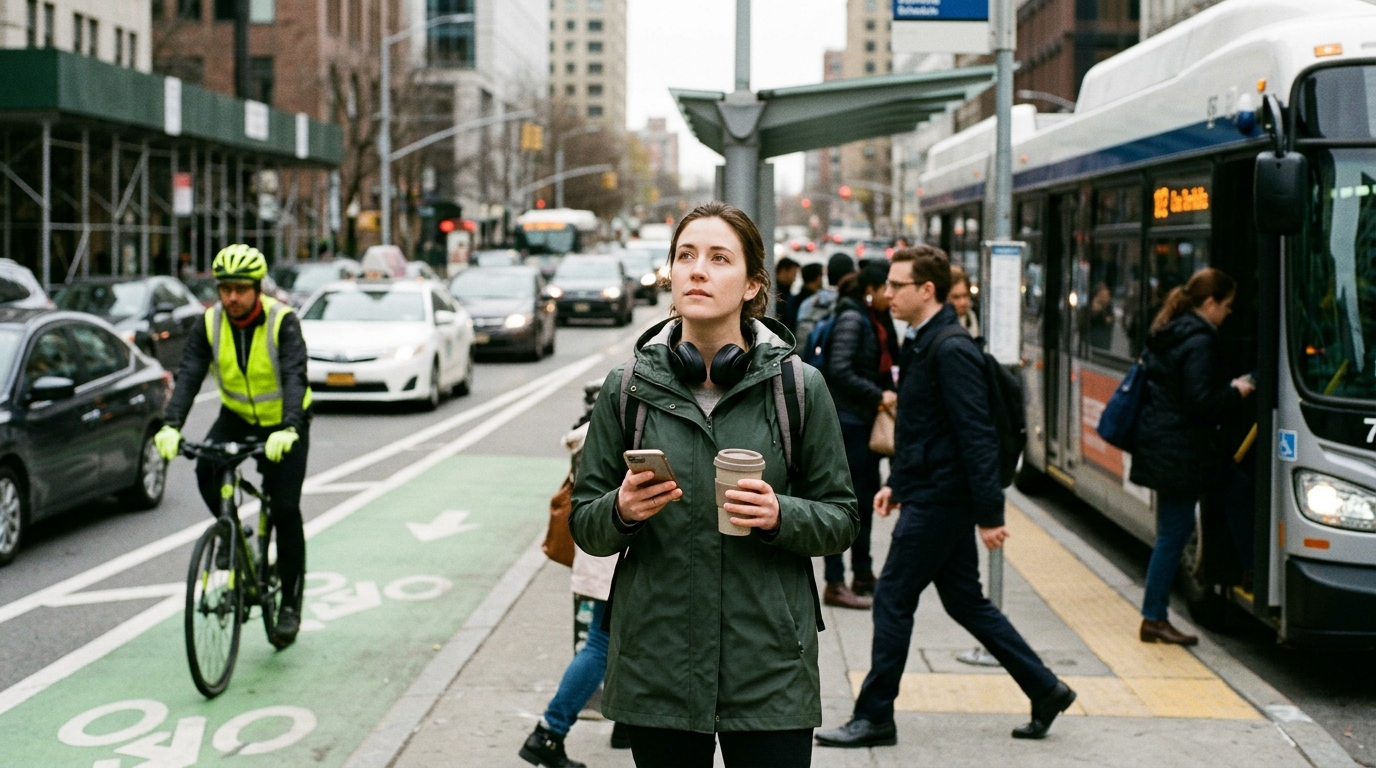
Commuting is not only a logistics issue. It is also emotional. Some people choose a vehicle because it feels safe. Others choose public transit because it reduces driving stress. Some people like private travel because it gives them a sense of control. These emotional factors are real and should be included in any Transport Mode Comparison.
A realistic commuting decision respects both the mind and the wallet. For example, a commuter may know that public transit is cheaper, but still prefer a ride-hailing app after a tiring workday. Another person may know that biking is healthy, but still choose the bus during extreme heat. This is why transport mode benefits and drawbacks should be viewed through the lens of daily life, not just theory.
A well-designed Transport Mode Comparison helps people reduce decision fatigue. Instead of asking the same question every morning, they can build a dependable routine with backup options for special situations.
Transport Planning for the Future
Cities continue to invest in better transit systems, safer cycling lanes, cleaner vehicles, and digital travel planning tools. These changes make Transport Mode Comparison even more important because travelers now have more choices than before.
Future-friendly mobility is usually multimodal. That means one person may use walking, public transit, and shared rides all in the same week. This approach aligns with smart mobility solutions for commuters and supports healthier, more efficient urban travel.
As roads become busier and budgets become tighter, people need options that are both practical and flexible. The winners are usually commuters who think ahead, compare wisely, and choose tools that fit their real routines.
Conclusion
The best commuting choice is not always the fastest, the cheapest, or the most comfortable in isolation. It is the one that fits your schedule, distance, budget, and lifestyle without creating unnecessary stress. That is the real value of Transport Mode Comparison. By reviewing time, cost, convenience, and sustainability together, commuters can make smarter decisions every day. Public transit works well for affordability and eco impact, private vehicles support flexibility, and mixed travel strategies often deliver the best balance. When you treat commuting as a planning problem rather than a habit, Transport Mode Comparison becomes a practical way to save money, reduce fatigue, and travel more intelligently over time.
FAQ
1. What is Transport Mode Comparison?
Transport Mode Comparison is the process of comparing different travel methods based on cost, speed, comfort, convenience, and environmental impact.
2. What is the best transport mode for daily commute?
The best transport mode for daily commute depends on distance, route quality, traffic, and budget. For many people, public transit or mixed commuting works well.
3. Why is public vs private transportation comparison important?
A public vs private transportation comparison helps commuters understand the trade-offs between convenience, cost, flexibility, and sustainability.
4. Which transport mode is most cost effective?
Cost effective transport methods usually include public transit, walking, biking, and carpools because they lower recurring expenses.
5. How can I save money on commuting?
Use transportation cost saving strategies such as route planning, carpooling, monthly passes, and combining walking with transit.
6. What are the advantages of public transportation?
The advantages of public transportation include lower costs, less congestion, reduced emissions, and less stress from driving and parking.
7. What are smart commuting transportation options?
Smart commuting transportation options include metro travel, bus systems, bicycles, carpooling, rideshares, and mixed-mode travel.
8. How do I choose the right transport mode?
To know how to choose the right transport mode, compare your route length, schedule, budget, comfort needs, and access to transit.
9. Is eco-friendly commuting practical?
Yes. Eco friendly commuting solutions like walking, biking, public transit, and shared mobility can be practical for many city travelers.
10. Why does Transport Mode Comparison matter for office workers?
Transport Mode Comparison helps office workers reduce delay, save money, and choose more reliable ways to reach work every day.
